xAI Releases Grok Imagine 1.5 API for Image-to-Video Brand Creatives
xAI’s Grok Imagine 1.5 API stands out as one of the more meaningful AI creative releases this year. Not because it adds yet another video model, but because it focuses on a use case brands actually need: turning approved still assets into usable, sound-on video creative quickly and at a reasonable cost.
For marketers, agencies, and growth teams, that matters. Most brands already have product photography, campaign stills, key art, and lifestyle images sitting in asset libraries. The problem has never been a shortage of visuals. It has been turning those visuals into motion assets fast enough for modern ad platforms. Grok Imagine 1.5 goes straight after that problem.
 What xAI Actually Released
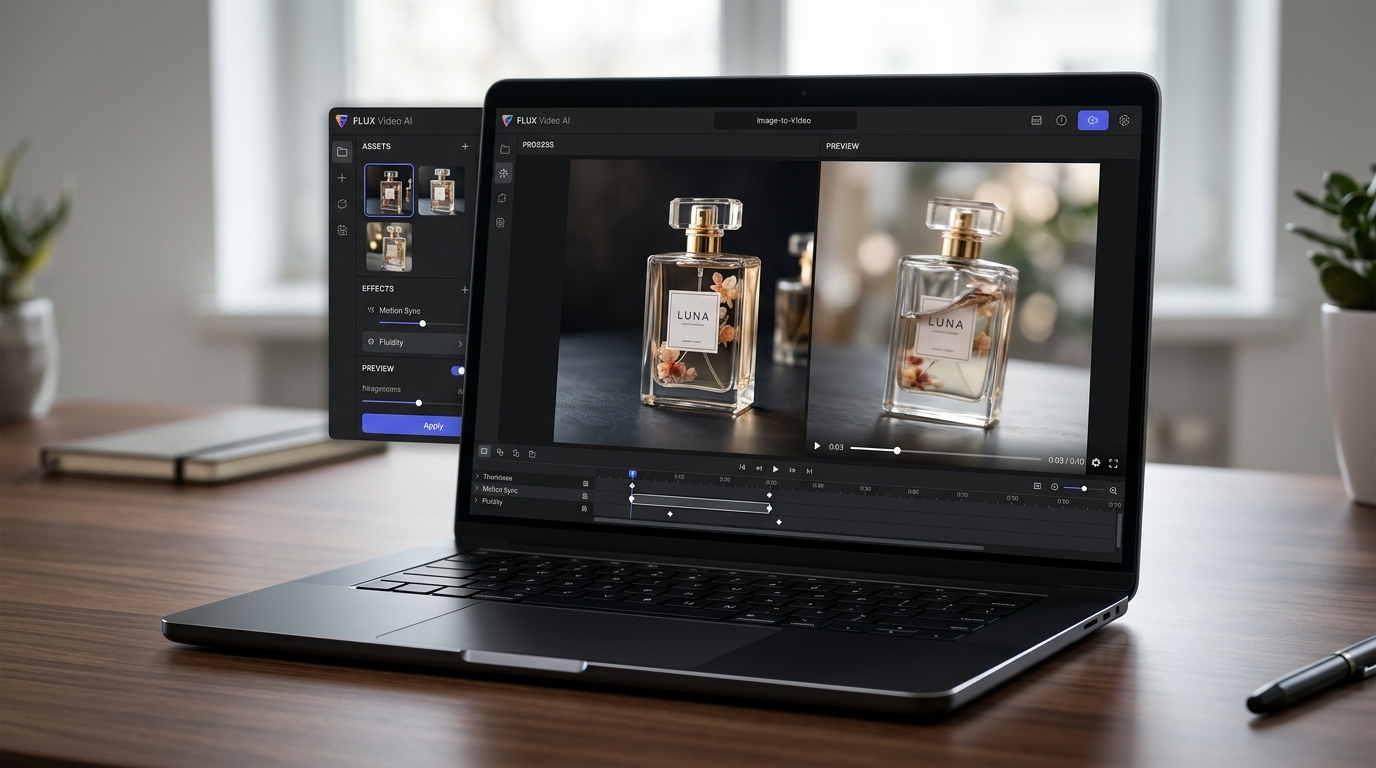
xAI first previewed the grok-imagine-video-1.5-preview API in early June 2026, then moved the model into general availability on June 16 as grok-imagine-video-1.5. The release allows developers and creative teams to input a single image and a natural-language motion prompt, then generate a short video clip—up to 720p—with native audio included in the output.
That audio piece matters more than it might seem. Many AI video workflows still require visuals from one tool, sound effects from another, and voice or ambience from somewhere else. Grok Imagine 1.5 simplifies that by generating motion and synchronized audio together. For brand teams producing fast variations of ad creative, that can remove real time and cost from production.
The model builds on xAI’s broader Aurora foundation work, with the Grok Imagine line evolving from early video support in late 2025 to baseline image-to-video performance in February 2026, then multi-image and video extension features in March. By late May, version 1.5 was already drawing attention for a noticeable jump in quality.
Why the Release Is Turning Heads
The main performance story around Grok Imagine 1.5 is its early leaderboard success. The model reportedly reached the top of the Artificial Analysis Image-to-Video Arena shortly after launch, outperforming several major competitors and improving significantly over version 1.0.
Benchmarks are not the whole story, but they help explain the immediate interest. Across third-party reviews and user reactions, the same strengths keep coming up: better motion realism, stronger physics, improved source-image fidelity, cleaner lip-sync, and more convincing audio.
That combination is what makes this release relevant to brand creative rather than just AI demo culture. If a model can preserve the lighting, composition, and look of a product shot while adding natural motion and sound, it stops being a novelty. It starts looking like a production layer.
Why Brand Creatives Are the Real Story
The smartest part of this release is how practical it is. xAI is not just chasing cinematic text-to-video hype. It is targeting a workflow brands already understand: start with approved creative, then extend it into motion.
That is a much easier sell inside real marketing teams.
A brand manager is far more likely to approve animation of an existing product image than a fully AI-invented scene from scratch. Existing assets already reflect brand standards, packaging accuracy, lighting style, and visual identity. Image-to-video tools preserve more of that control.
For ecommerce brands, DTC teams, app marketers, and performance agencies, the use cases are immediate:
- turning product hero shots into short paid social ads
- animating still lifestyle photography for reels and shorts
- creating multiple motion variants from one campaign image
- testing hooks, camera moves, and atmospheres without a reshoot
- building sound-on ad concepts from static creative libraries
That kind of flexibility can change the economics of iteration. Instead of waiting on a full video production cycle, teams can test motion concepts much closer to launch.
The Cost and Speed Advantage
Another reason this launch matters is pricing. Reported pricing has placed Grok Imagine 1.5 at around $0.08 per second at 480p and $0.14 per second at 720p, with audio included, plus a small image input fee. Roughly speaking, that puts a 15-second 720p clip at only a few dollars.
Even if pricing changes over time, the larger takeaway is clear: AI video is shifting from experimental spend to line-item efficiency.
Once sound is bundled in, comparisons with other tools get more interesting. A cheaper silent video model is not always cheaper in practice if the audio still has to be generated or sourced elsewhere, timing adjusted manually, and another production pass added. Grok Imagine 1.5’s value proposition is not just cost per second. It is cost per finished clip.
Speed matters too. xAI has positioned Video 1.5 Fast as a noticeably quicker generation mode, with 720p renders arriving much faster than earlier versions. In performance marketing, turnaround time can matter as much as quality. If a team can go from still asset to testable ad concept in under an hour, that changes how creative operations run.
 How It Stacks Up Against the Market
The AI video market in 2026 is crowded and moving quickly. Runway, Google Veo, Kling, Seedance, and others each bring different strengths—tooling, ecosystem integrations, generation quality, style control, or pricing. Grok Imagine 1.5 enters with a clear angle: strong image-to-video fidelity plus bundled native audio.
That gives it an advantage for brands that already own strong visual assets and want to build ads from them rather than generate entire worlds from scratch.
Grok Imagine 1.5 is not a total replacement for traditional editing, motion design, or commercial production. It works better as a multiplier. It reduces the friction between static creative and motion creative. It gives teams a faster way to produce variations, proofs of concept, and lightweight ad units. In many cases, that is exactly what growth teams need.
The Workflow Shift This Could Trigger
The most interesting part of releases like this is how they reshape human work rather than remove it. The bottleneck moves.
The harder questions become strategic:
- which still assets are worth animating
- what motion prompts best fit the brand
- how to sequence short clips into stronger narratives
- where to use AI output directly and where to refine it further
- how to maintain compliance, disclosure, and brand safety
In that environment, creative strategy becomes even more valuable. The teams that win will not just generate more clips. They will generate better, more testable ideas from stronger inputs.
Governance matters too. xAI has emphasized commercial use with rules around deceptive content and likeness permissions. For brands, that is not a side note. It is part of whether these tools can become reliable parts of a production pipeline rather than occasional experiments.
What Comes Next
Image-to-video is likely to become one of the fastest-growing areas in AI creative tooling, especially for paid media. It fits the reality of modern marketing: asset-rich, time-poor, and constantly testing.
Grok Imagine 1.5 does not solve everything. Clip lengths are still short. Resolution limits remain modest by premium production standards. Prompt complexity and moderation edge cases will still frustrate some users. And the competitive landscape will keep shifting.
Still, the direction is clear. Brand still-image libraries are starting to become scalable video engines. Models like Grok Imagine 1.5 make that future feel much closer, especially for teams focused on speed, output volume, and visual consistency.
FAQ
What is Grok Imagine 1.5?
Grok Imagine 1.5 is xAI’s image-to-video API that turns a single still image and a text prompt into a short video clip with native audio.
Why is native audio such a big deal?
Because it removes extra production steps. Teams do not have to create visuals in one tool and then handle sound separately in another, which saves both time and money.
Who is this most useful for?
It is especially useful for marketers, ecommerce brands, DTC teams, agencies, and performance-focused creative teams that already have strong static assets and need fast motion variations.
Does it replace traditional video production?
No. It is better viewed as a production multiplier that helps teams create quick variations, tests, and lightweight ad units faster.
Conclusion
xAI’s Grok Imagine 1.5 API is less about flashy AI spectacle and more about practical leverage for marketers. It turns static brand assets into motion creative with less friction, lower cost, and fewer production steps—especially because audio is built in. For teams trying to scale paid social and creative testing without giving up control, the bigger opportunity is not just generating more video, but building a smarter workflow around it. If the goal is to connect AI-generated creative with real performance measurement and optimization, that workflow could be anchored by ROAS Suite.