Viral Demo of Adaptive AI Agent Automates Full Marketing Workflow with GPT Image Model
AI demos go viral all the time, but only a few break through because the value is obvious at a glance: less manual work, faster execution, and a realistic way to replace a stack of disconnected tools. That’s what happened with the recent viral X post showing an Adaptive AI agent running a full marketing workflow with OpenAI’s image generation capabilities.
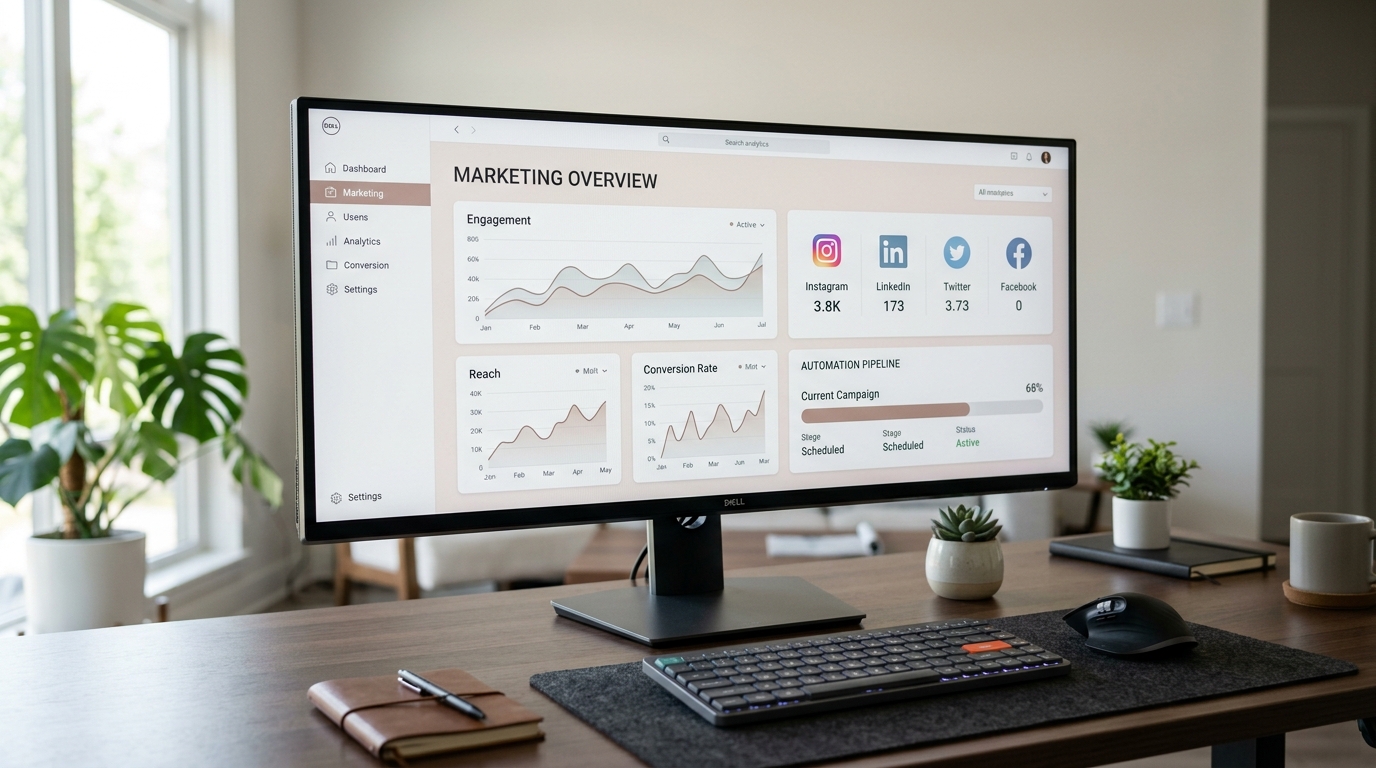
The post, shared by Chris (@everestchris6) on April 26, 2026, featured a 13.5-second demo that made a big claim in very little time. The system appeared to create fresh, on-brand creatives with GPT’s image model, publish across social platforms, manage comments and DMs, turn top-performing posts into ads, and keep optimizing based on performance. This wasn’t framed as simple content generation. It was presented as AI handling execution, iteration, and ownership of the workflow itself.
 Why This Demo Took Off
The clip had all the ingredients of a viral post: a fast visual demo, a clear explanation, and a simple call to action asking users to reply “AGENT” and repost for access to the full guide. People responded immediately. Hundreds joined the thread asking for the guide, and the post quickly climbed to tens of thousands of views with strong engagement across likes, reposts, bookmarks, and replies.
What really stood out was the framing. This wasn’t another chatbot helping with caption ideas or ad copy. It was positioned as an agentic system that could take a goal, connect to tools, generate assets, publish content, monitor engagement, and keep working without constant prompts.
That difference matters.
From AI Assistant to AI Coworker
Adaptive.ai has been pushing the idea of the “AI coworker” for a reason. The company is building around a simple premise: businesses don’t just want smarter assistants, they want autonomous systems that can take recurring work off their plate.
Based on the platform’s positioning, Adaptive agents can connect with tools like Gmail, Slack, Stripe, Square, GitHub, and Google Sheets. The broader pitch extends into research, sales follow-up, app building, and campaign execution. Marketing is an especially strong use case because the work is repetitive, cross-platform, and often slowed down by production bottlenecks.
The demo hit that pain point directly. For small businesses, solo founders, and lean teams, marketing often stalls not because there are no ideas, but because there isn’t enough capacity to execute. They need visuals, copy, testing, posting, engagement, paid amplification, and reporting. Usually that requires a team, a handful of freelancers, or a patchwork of software. An adaptive agent promises to compress that stack into a single operating layer.
The GPT Image Model Is the Unlock
A major reason this demo resonates now, rather than a year ago, is the improvement in image generation. Earlier AI marketing tools could handle text, scheduling, and analytics, but the visuals often looked generic or missed the brand entirely.
The latest GPT-powered image creation changes that. If an AI agent can produce on-brand visuals that are actually usable, the workflow becomes far more complete. It’s no longer limited to the admin side of marketing. It can contribute to the creative side too.
That’s what made this feel more important than a typical automation thread. The demo suggested a system where visual production, publishing, engagement, and optimization all happen inside the same loop. That gets much closer to full-funnel automation than most businesses have seen in practice.
What This Means for Marketers and Founders
This is where the conversation gets more practical. For founders, ecommerce operators, agencies, and performance marketers, the upside is clear: more output, faster testing, and less operational drag. An agent that works continuously can keep campaigns moving without waiting for someone to log in, assign tasks, or manually handle every next step.
For small businesses, that could be a real force multiplier. A solo operator might suddenly be able to manage content production, social engagement, and ad iteration at a level that once required several hires. That’s a meaningful shift in a market where attention is fragmented and speed matters.
For agencies and in-house teams, the picture is a little more nuanced. AI agents can automate large parts of execution, but execution alone doesn’t guarantee results. One of the smarter reactions in the thread made the point that producing more creatives is not the same as understanding buyer psychology. That’s true. Volume helps, but strategy still matters. Messaging still matters. Positioning still matters.
So while tools like Adaptive may dramatically reduce manual work, they don’t remove the need for human judgment. Not yet.
 The Bigger Agentic AI Trend
This moment fits into a broader shift across software. We’re moving beyond rule-based automation and toward agentic AI, where systems can adapt, reason, and act across multiple steps and tools instead of following a rigid script.
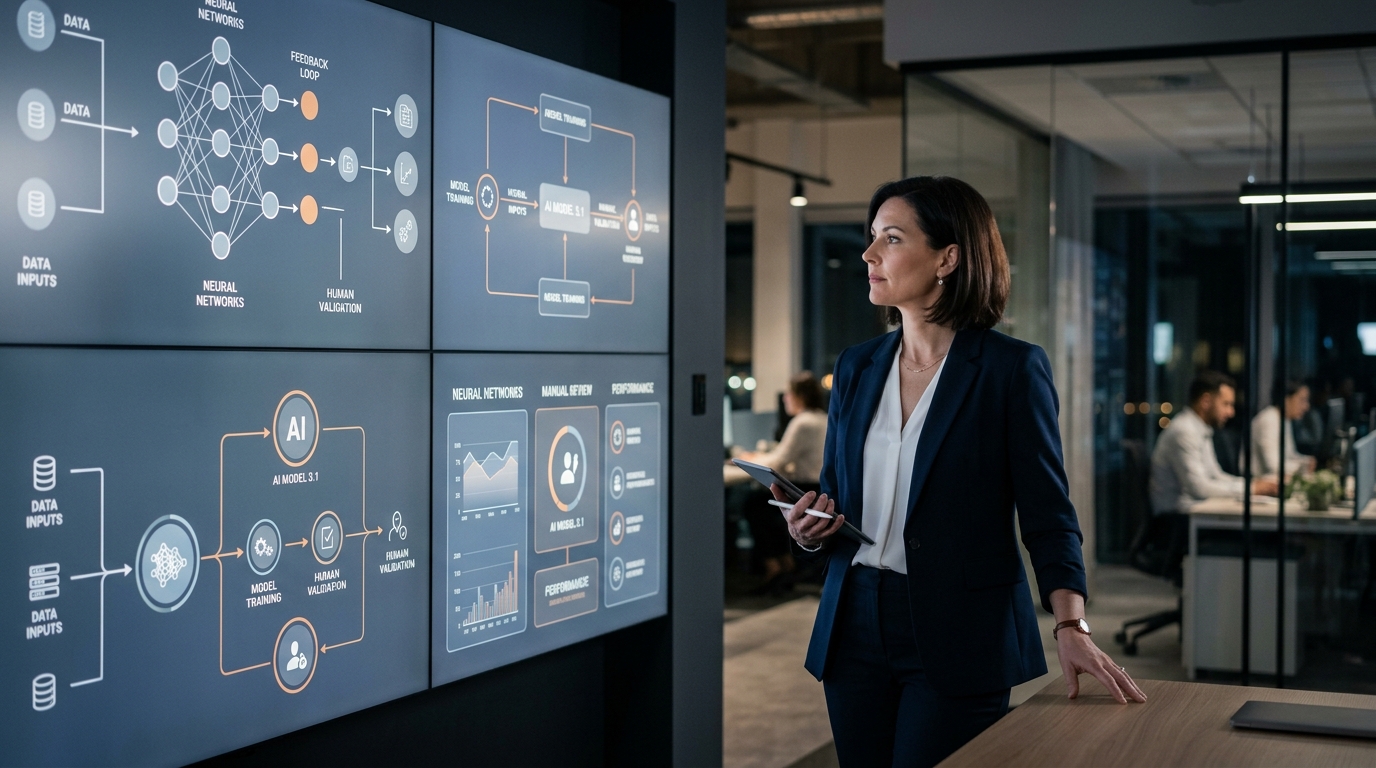
That’s why so many recent demos across the AI ecosystem look similar on the surface but point to something bigger underneath. Whether it’s n8n-powered marketing systems, AI-generated UGC ad pipelines, or autonomous outbound workflows, the common thread is orchestration. The real breakthrough isn’t one model on its own. It’s the coordination of models, apps, memory, approvals, and feedback loops inside one system.
Adaptive’s pitch lines up with that direction. The company emphasizes security, human-in-the-loop approvals, and persistent operation, all of which matter if these agents are going to move from impressive demos to real business infrastructure.
Hype vs. Substance
Whenever a post like this takes off, it’s worth separating what’s been demonstrated from what people are assuming. The viral clip showed enough to generate serious interest, and the engagement points to real market demand. But a short demo is not long-term validation. It doesn’t tell us how consistently these workflows perform across industries, how often humans still need to intervene, or how well the system handles edge cases.
Even with those questions, the direction is clear. Businesses want automation that goes beyond drafting copy. They want systems that can generate, launch, learn, and adjust. That’s the promise behind the Adaptive demo, and it explains why so many people paid attention.
Final Thoughts
This viral demo feels like a preview of where marketing technology is heading: self-operating systems that combine creative generation, distribution, engagement, and optimization in one continuous engine. The best businesses will still need strong strategy and clear brand thinking, but the mechanical side of marketing is becoming increasingly automatable.
For teams focused on performance, efficiency, and scalable campaign execution, this is the right moment to pay attention to platforms that turn AI into measurable workflow results. If you want a smarter way to centralize and improve marketing outcomes, ROAS Suite is worth exploring as part of that next step.
Key Takeaways
- Adaptive’s viral demo showed an AI agent creating visuals, publishing content, managing engagement, and optimizing performance.
- GPT image generation helps close a major gap in marketing automation by making creative production more usable and brand-aligned.
- Small teams and solo operators may benefit the most from this kind of workflow compression.
- Human strategy still matters, especially in positioning, messaging, and understanding customer psychology.
- The broader trend is toward agentic AI systems that orchestrate multiple tools and steps, not just single-task assistants.
FAQ
What made the Adaptive AI demo go viral?
It showed a full marketing workflow in a very short clip, with a simple explanation and a clear value proposition: automate creative generation, posting, engagement, and optimization in one system.
What is the role of GPT’s image model in this workflow?
The image model helps the agent generate on-brand creative assets that are usable in real campaigns, making the automation more complete than text-only systems.
Can AI agents fully replace marketers?
No. They can automate a large share of execution, but strategy, messaging, positioning, and buyer insight still require human input.
Who benefits most from this kind of system?
Small businesses, solo founders, lean teams, agencies, and performance marketers all stand to gain, especially where speed and output are critical.
Is a viral demo enough to prove the product works at scale?
Not by itself. It shows demand and potential, but long-term performance, reliability, and edge-case handling still need to be proven in real-world use.
Conclusion: The Adaptive demo captured attention because it pointed to something bigger than another AI content tool. It suggested a future where marketing systems can create, publish, respond, and optimize with far less human effort. That future isn’t fully here yet, but it’s getting much closer.