USA Today Press Release on GEO for Small Businesses Emphasizing Topical Authority
I’ve been watching generative engine optimization, or GEO, move from a niche idea into a real marketing priority. The recent USA Today press release aimed at small businesses is another sign of that shift. More importantly, it highlights how quickly topical authority is becoming one of the strongest competitive advantages a smaller brand can build in the age of AI search.
At its core, the press release delivers a simple message: small businesses can’t rely on traditional SEO alone if they want to stay visible. Search behavior is changing. More people are getting answers from AI-generated summaries, search overviews, and assistant-style interfaces instead of clicking through a page of blue links. That means businesses need content AI systems can understand, trust, and cite.
 Why GEO matters now
The case for GEO has been building for some time. It gained academic traction when researchers published work showing that content could earn substantially more visibility in generative engines by using tactics such as statistics, quotations, and citations. Since then, GEO has grown from a research concept into a practical framework for marketers, agencies, and small businesses trying to compete in AI-driven discovery.
What makes this moment especially relevant is that AI search is no longer theoretical. It is already shaping how brands are discovered. Even when the traffic impact doesn’t show up clearly in analytics, businesses may be losing attention before a click ever happens. That’s why the USA Today press release lands at the right moment: it treats GEO not as a future trend, but as a current requirement.
The real focus: topical authority
What stood out most in the release was its emphasis on topical authority. That’s the piece many businesses still underestimate.
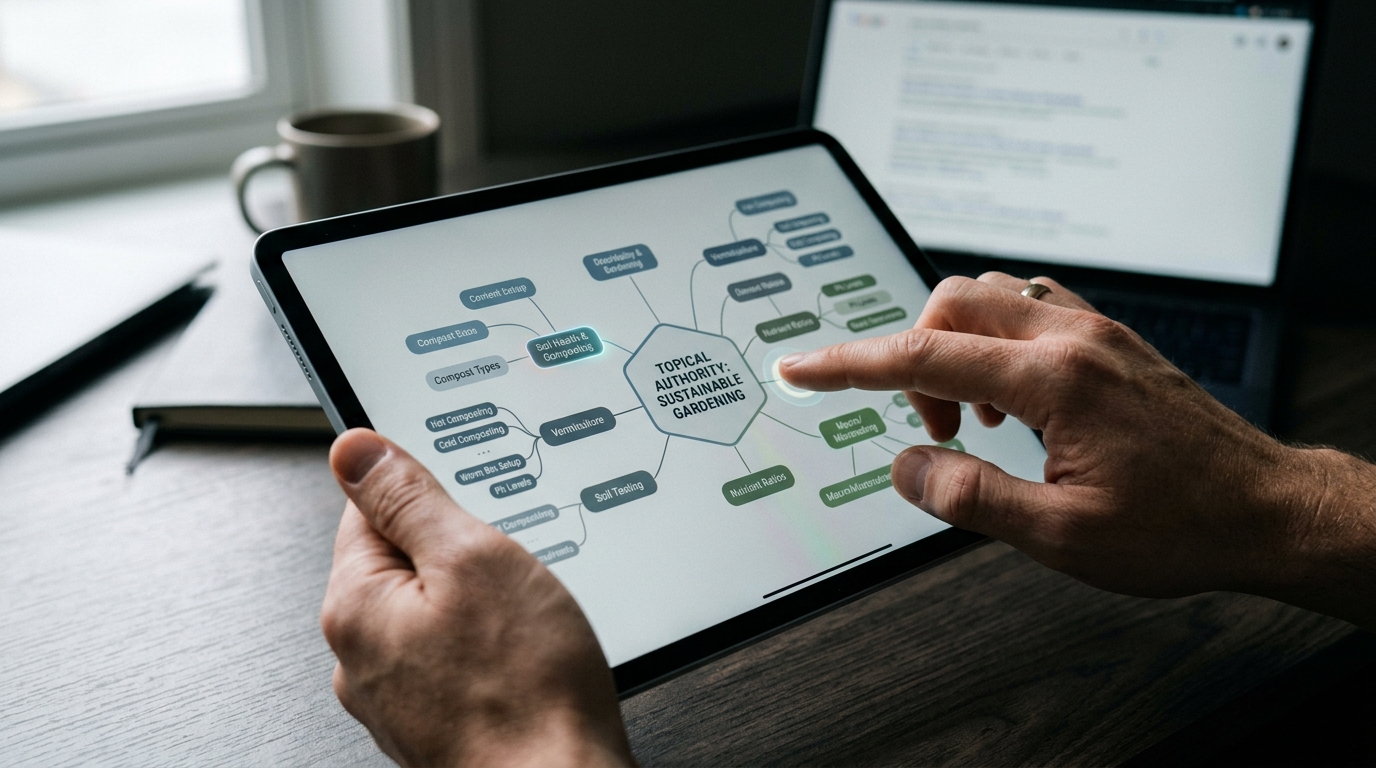
Topical authority means becoming a trusted, comprehensive source on a specific subject. Instead of publishing scattered blog posts aimed at random keywords, a business creates interconnected content that covers the questions, subtopics, and decision points its audience actually cares about. In an AI environment, that structure matters because generative systems are more likely to surface sources that show depth, consistency, and contextual relevance.
For small businesses, that’s actually good news. Topical authority doesn’t always require the biggest budget. It requires focus. A local law firm, med spa, software consultancy, or home services company can build meaningful authority by owning its niche better than larger but less specialized competitors.
Why small businesses should pay attention
The press release makes a strong case that GEO can level the playing field. Large enterprises may have bigger teams and stronger domain authority, but AI systems still need credible, well-structured, topic-rich content. A small business that clearly demonstrates expertise can still earn visibility if it publishes with discipline.
That means a few practical shifts become essential:
- Creating content clusters around core services
- Answering real customer questions in plain language
- Supporting claims with data, citations, and examples
- Showcasing expertise through authorship and brand credibility
- Improving technical foundations like schema, page speed, and internal linking
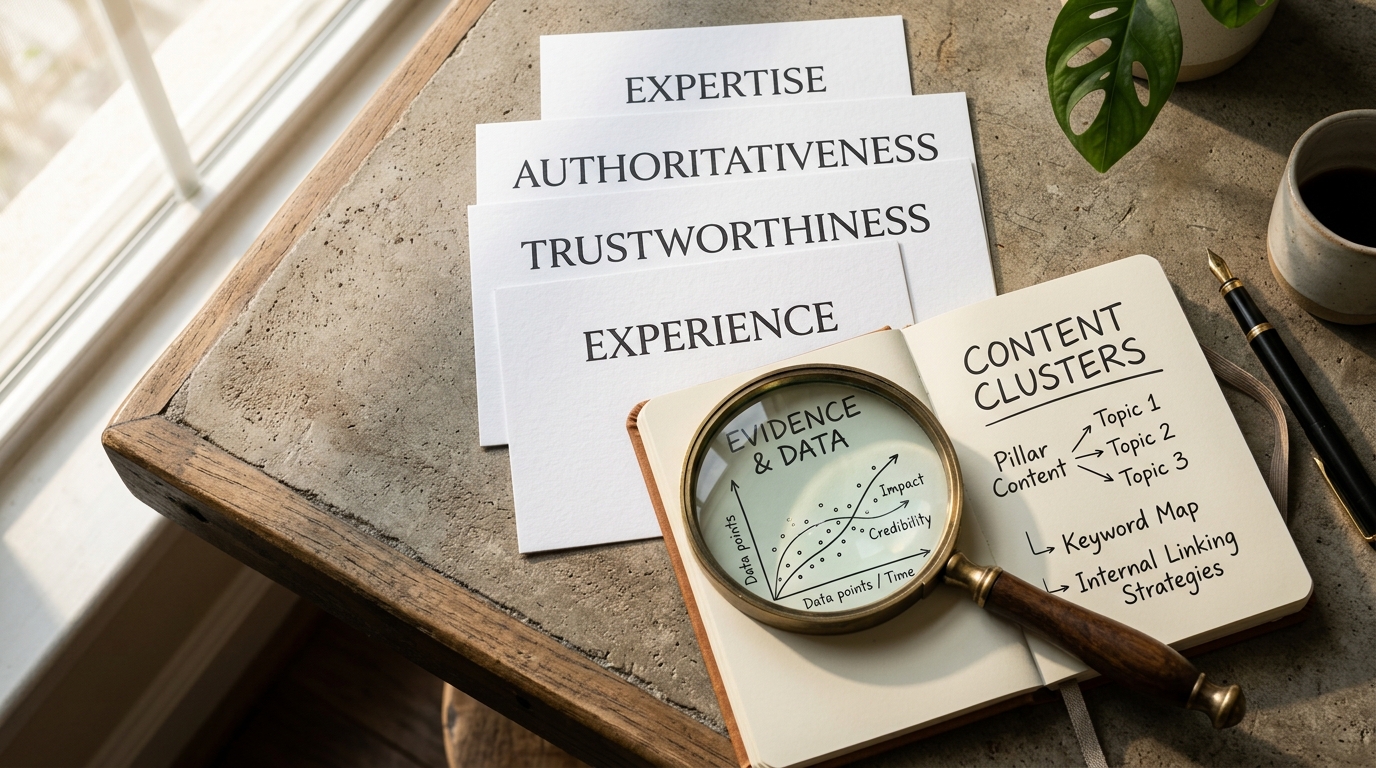
This is where GEO and E-E-A-T naturally overlap. AI engines are not just scanning for keywords. They are looking for signals of experience, expertise, authoritativeness, and trustworthiness. If your content is vague, thin, or disconnected, it is far less likely to be included in AI-generated answers.
 The USA Today angle: visibility and validation
It’s also worth being clear about what this press release represents. This was a paid distribution placement, not a USA Today newsroom feature. That doesn’t make the message irrelevant. If anything, it reflects something important: agencies and marketers are now using major distribution channels to educate the market on GEO, especially for small and midsize businesses.
That points to two things. First, demand is growing. Second, topical authority has become central enough to AI visibility that it now deserves mainstream business attention. The press release may be promotional, but the strategic point behind it is solid: businesses that organize their expertise into trustworthy, interconnected content are more likely to be surfaced by AI systems.
What small businesses should do next
If I were advising a small business based on this development, I’d say the next step is not panic. It’s prioritization. GEO is not about replacing SEO. It’s about evolving your content so it performs in both traditional search and AI-driven environments.
A smart starting point looks like this:
- Identify your core topics, not just your target keywords.
- Build content clusters that fully support those topics.
- Add evidence: statistics, expert quotes, examples, and citations.
- Strengthen trust signals through author bios, reviews, and clear brand positioning.
- Make your site easy to parse for both search engines and AI systems.
The businesses that move early will have an advantage. Just as early SEO winners built long-term momentum, early GEO adopters can establish the authority AI systems return to again and again.
FAQ
What is GEO?
GEO, or generative engine optimization, is the process of creating and structuring content so AI-powered search engines and assistants can understand, trust, and surface it in generated answers.
How is GEO different from SEO?
SEO focuses on improving visibility in traditional search results. GEO builds on that foundation by helping content perform in AI summaries, search overviews, and assistant-style responses.
Why does topical authority matter in AI search?
AI systems tend to favor sources that demonstrate depth and consistency on a subject. When your content thoroughly covers a topic and its related questions, you are more likely to be seen as a trustworthy source.
Can small businesses compete with larger brands in GEO?
Yes. Small businesses can compete by focusing tightly on their niche, publishing useful content consistently, and backing claims with real expertise, evidence, and strong site structure.
Conclusion
The USA Today press release is a signal of where digital visibility is heading. For small businesses, the path forward is not chasing every algorithm change. It’s building genuine topical authority that AI engines can recognize and trust. If you want to create content that strengthens authority, improves discoverability, and aligns with the direction of AI search, I recommend exploring AIuthority as a practical way to move from scattered publishing to a more credible, AI-ready strategy.