Updated 2026 List of 15 Best Free AI Image Generators Released
The AI image space is moving fast, and 2026 feels like the point where free tools stopped being merely usable and started becoming genuinely good. The latest rankings of the 15 best free AI image generators show just how accessible visual creation has become for marketers, founders, bloggers, and creators who don’t have the time or budget for traditional design workflows.
What stands out most is how much the market has matured. A few years ago, tools like DALL·E and Stable Diffusion introduced prompt-based image creation to a wider audience. Now the ecosystem is full of capable free options from Microsoft, Google, Adobe, OpenAI, and a growing group of specialized platforms. For anyone making ad creatives, product mockups, blog visuals, or social graphics, that’s a meaningful shift.
 Why This 2026 Update Matters
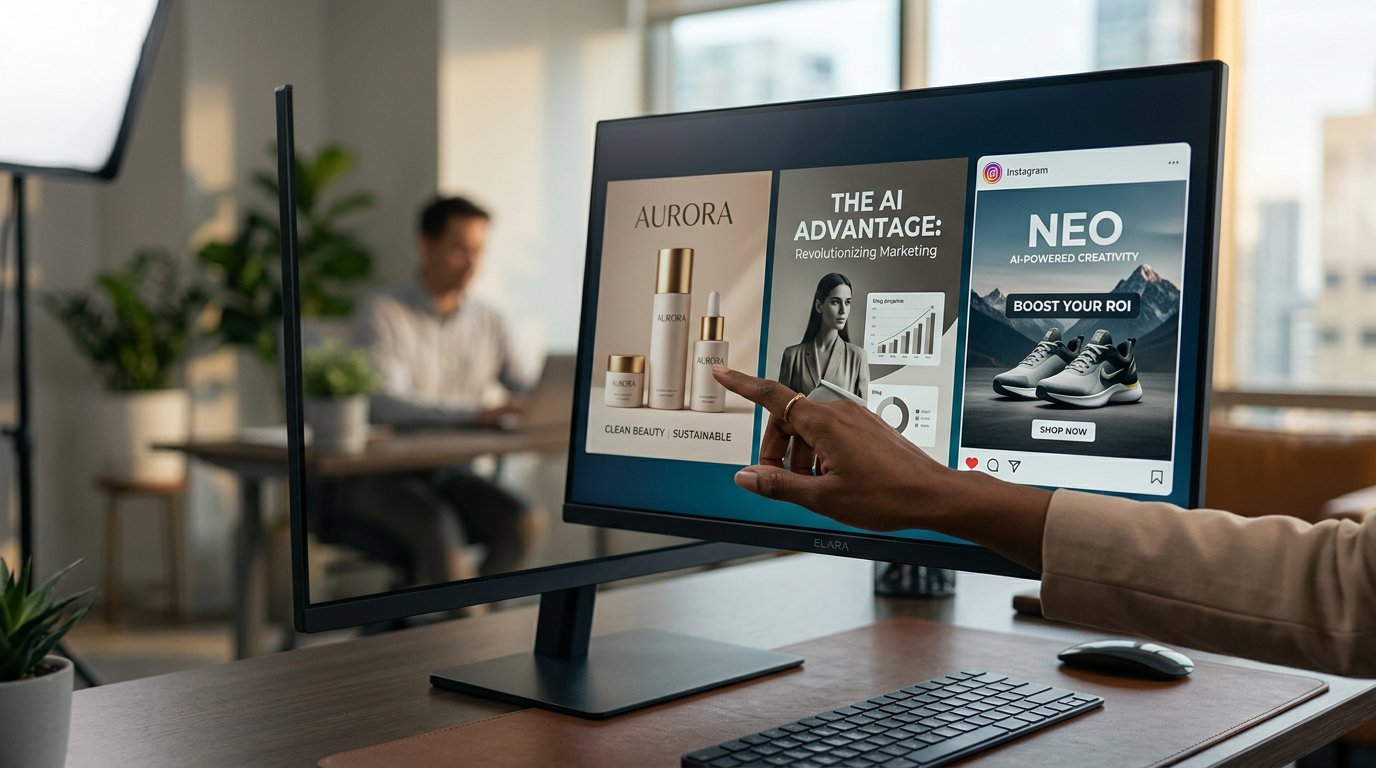
This updated list reflects a broader trend: AI image generation is no longer just for designers or technical users. Free tiers are better, image quality is higher, and many tools now include editing features, style controls, commercially safer assets, or ties to larger creative platforms.
That matters because speed and accessibility have become real advantages. Instead of waiting on a design queue or fighting with complex software, it’s now possible to type a prompt and get usable visuals in seconds. For performance marketers and content teams, that changes the economics of creative production.
It also explains why these updated rankings are getting traction, even when they come from smaller publishers. The demand is obvious. People want free AI tools that actually deliver.
The 15 Best Free AI Image Generators in 2026
Based on the updated 2026 roundup and the broader direction of the market, these are the platforms getting the most attention:
1. Bing Image Creator
Bing Image Creator remains one of the strongest free options. It benefits from Microsoft’s ecosystem and DALL·E-powered generation, while staying easy to access and simple enough for beginners. Unlimited slower generations and daily boosts for faster output make it practical for regular use.
2. Stable Diffusion
Stable Diffusion is still a favorite among power users. Its open-source foundation gives people room to build custom workflows and run unlimited local generations if they’re willing to learn the system. For anyone who wants deeper control over style, prompting, or self-hosted experimentation, it remains essential.
3. DALL·E
OpenAI’s DALL·E continues to set a strong bar for polished outputs, especially for concept visuals, marketing scenes, and product-style compositions. Part of its value is how widely it’s integrated across different platforms, giving users several ways to access the technology.
4. Adobe Firefly
Adobe Firefly earns its spot because it appeals to people who care about commercial safety and efficient workflows. For brand visuals, ads, and campaign assets, Adobe’s ecosystem is a major advantage. Its Photoshop integration also makes it easier to move from generation to serious design refinement.
5. Midjourney
Midjourney still has a reputation for artistic, cinematic, and visually rich outputs. It isn’t always the easiest tool for beginners because of its community-based workflow, but for creators chasing standout aesthetics, it remains one of the biggest names in AI image generation.
6. Playground AI
Playground AI is especially useful for people who want generation and editing in the same place. Its free monthly image allowance keeps it practical, and that hybrid setup works well for marketers who need quick ideation followed by simple revisions.
7. Leonardo AI
Leonardo AI has built a loyal following thanks to its strong output quality and usefulness for gaming, concept art, and stylized assets. Even with free-tier limits, it consistently gets attention because the results often feel premium.
8. NightCafe
NightCafe has created a community-focused lane with daily credits and challenge-based engagement. It’s a strong option for creators who want to experiment regularly, test different styles, and learn through participation rather than just one-off image generation.
9. Dream by WOMBO
For mobile-first users, Dream by WOMBO remains fast and approachable. It’s less about precision and more about quick creative output, which makes it appealing for casual creators, on-the-go content teams, and social-first workflows.
10. OpenArt
OpenArt stands out for its range of styles and the educational support built around the product. Tutorials, templates, and creative guidance make it easier for users who are still learning how to write better prompts.
11. Picsart AI
Picsart AI is well suited to social media creators who need both generation and editing in one app. Its strength is practicality. It’s not only about making images look good, but about turning them into content that’s ready to publish.
12. MyEdit
MyEdit offers a broad mix of styles and enhancement features, making it a solid option for users who want fast, flexible visual creation without much of a learning curve. It’s one of those tools that ends up being useful for a lot of everyday work.
13. Craiyon
Craiyon still matters because it’s fast, accessible, and requires very little commitment. The quality doesn’t match the top-tier generators, but for rough ideation or playful experimentation, it still has a place, especially for users who want no-signup simplicity.
14. Google Gemini
Google’s image generation capabilities keep improving, and with the momentum around newer Google models in 2026, Gemini is becoming harder to overlook. For users already working inside Google’s ecosystem, it offers convenience, speed, and increasingly solid detail generation.
15. Emerging Google and Next-Wave Alternatives
One of the biggest developments this year is the rise of newer generation models such as Google’s Nano Banana 2, which has already drawn attention for speed, detail, and infographic-style output. Even when these tools don’t appear in every roundup by name, they’re shaping what users now expect from free image generation.
What Makes These Tools So Valuable in 2026
The real value isn’t just that these tools are free. It’s that they shrink the gap between an idea and a usable visual.
That has major implications for:
- marketers building ad creatives quickly
- bloggers who need article graphics
- ecommerce brands testing product concepts
- agencies producing variations at scale
- solopreneurs who can’t hire a full design team
Instead of paying for multiple design platforms every month, many users can now get solid results from free AI generators and only refine the best assets. That lowers cost, speeds up turnaround, and makes creative testing far more accessible for smaller teams.
 The Trade-Offs to Keep in Mind
Free still comes with limits.
Most of these tools involve some trade-off: daily credit caps, slower generation times, occasional prompt inconsistency, lower resolution on free plans, or restrictions around commercial use. Quality also varies widely. A tool like Craiyon may be fine for ideation, while Adobe Firefly or Leonardo AI may be better for polished business-ready outputs.
There’s also the growing issue of image authenticity. As generated visuals become more realistic, creators and brands need to think more carefully about trust, disclosure, and verification. The better these tools get, the more important responsible use becomes.
Where the Market Is Headed Next
This updated 2026 list is less about naming a single winner and more about what the category now represents. AI image generation has moved from novelty to utility. The market is getting more competitive, more integrated, and more useful for real business outcomes.
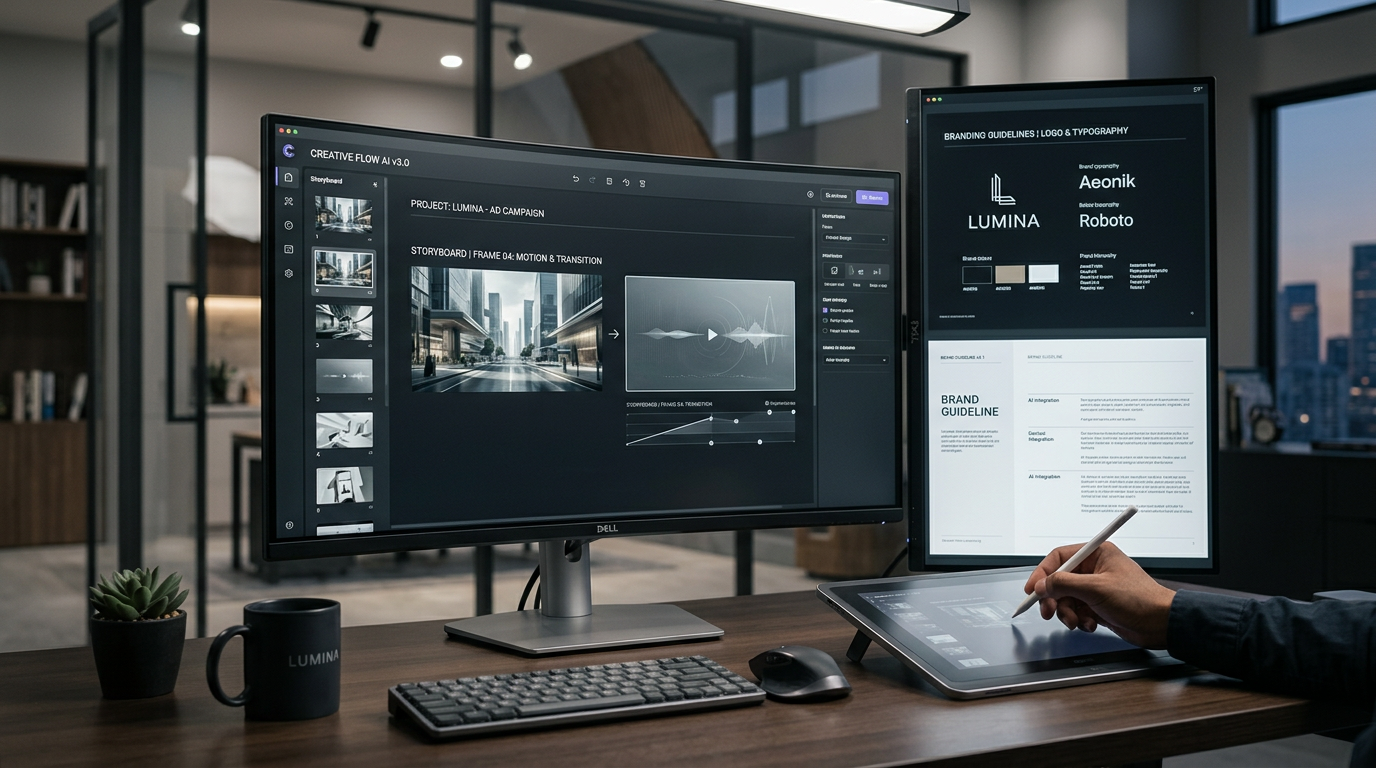
The biggest improvements ahead will likely center on consistency, brand control, text rendering, and multimedia creation. Tools are already pushing toward storyboards, campaign assets, and hybrid image-video workflows. Free AI image generators won’t just help people make pictures. They’ll increasingly help build entire creative systems.
FAQ
Are free AI image generators good enough for professional use?
Some are. Tools like Adobe Firefly, Leonardo AI, Bing Image Creator, and DALL·E can produce strong results for marketing, content, and concept work. The best choice depends on your quality needs, usage rights, and workflow.
Which free AI image generator is best for beginners?
Bing Image Creator, Dream by WOMBO, and OpenArt are among the easiest places to start. They offer simpler interfaces and less of a learning curve than more advanced tools.
What is the best option for advanced users?
Stable Diffusion remains one of the top choices for advanced users because of its open-source flexibility, custom workflows, and local generation capabilities.
Are there limits on free plans?
Yes. Most free tools have restrictions such as credit limits, slower speeds, lower resolution, or limited commercial rights. It’s worth checking the terms before using generated images in client or brand work.
Is AI image generation still improving in 2026?
Absolutely. The biggest gains are showing up in realism, consistency, editing controls, text rendering, and integration with broader creative workflows.
Conclusion
The updated 2026 list of the 15 best free AI image generators makes one thing clear: high-quality visual creation is no longer locked behind expensive software or specialist skills. The real opportunity isn’t just generating images. It’s turning those images into campaigns that perform. If you want to connect AI-powered creative production with smarter marketing results, build that workflow around ROAS Suite so your visuals don’t just look good, but help drive returns.