Tim Ferriss Reports 57% Drop in How-To Nonfiction Sales Amid AI Rise
I’ve been following the AI debate for months, but Tim Ferriss’s latest numbers make the disruption feel a lot more concrete. In a June 12, 2026 blog post, Ferriss shared his domestic print sales data and raised a question the publishing world can’t shrug off anymore: has AI already started gutting how-to nonfiction?
Based on the figures he shared, that possibility looks very real.
 A Sharp Decline That Tracks the AI Timeline
Ferriss, author of The 4-Hour Workweek, The 4-Hour Body, The 4-Hour Chef, Tools of Titans, and Tribe of Mentors, reported a steep drop in domestic print sales that appears to closely track the public rise of large language models.
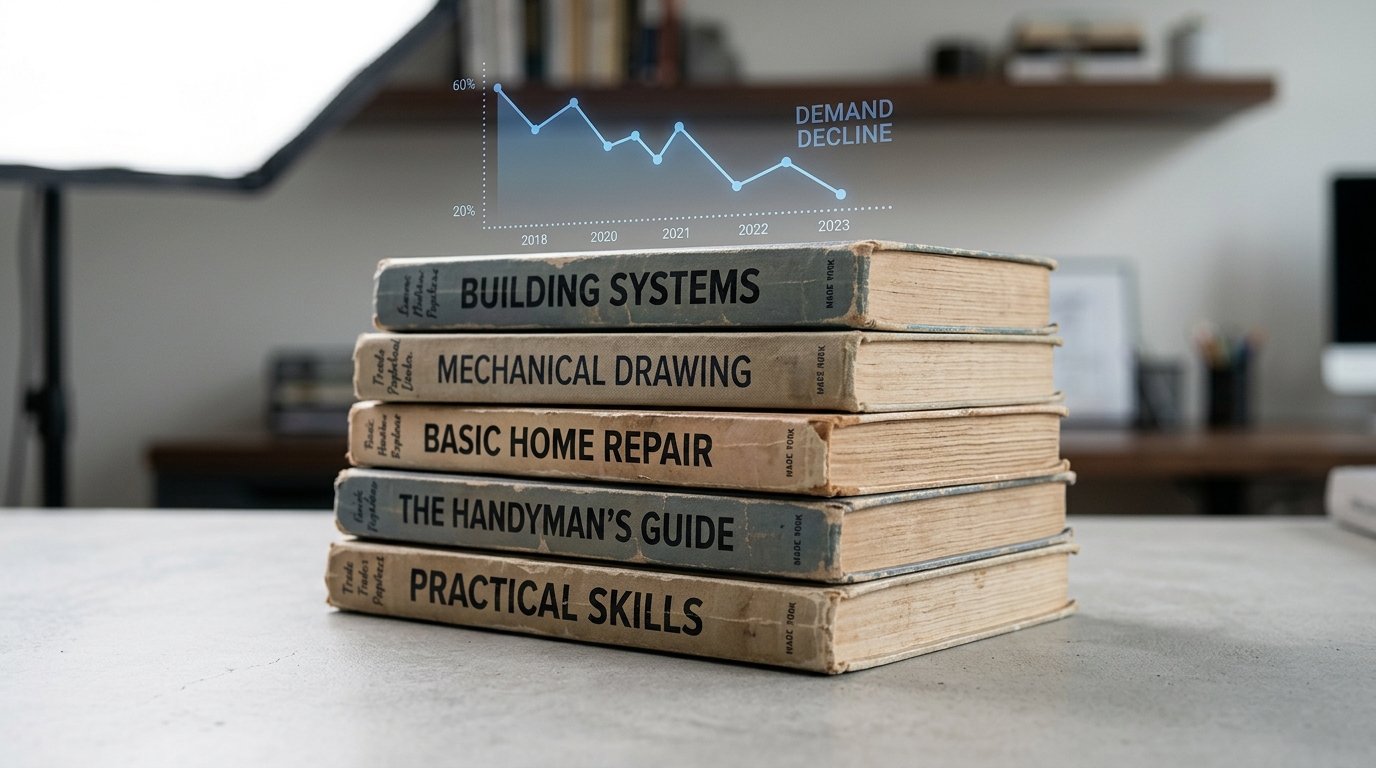
The timeline is what makes this hard to dismiss. After ChatGPT launched in late 2022, Ferriss’s print sales slipped about 5% in 2023 year over year. In 2024, the decline widened to 13%. Then came the real jolt: 2025 showed a 46% year-over-year drop. In 2026, based on the current run rate, the numbers look even worse.
Ferriss described the cumulative effect as roughly a 57% decline from 2022 levels already visible in the data he reviewed, with 2026 potentially ending nearly 80% below his 2022 print baseline if the trend continues.
This doesn’t look like a rough patch. It looks like a structural change.
Why How-To Nonfiction Is Especially Exposed
Ferriss’s example matters because his books sit squarely in one of the categories most exposed to AI substitution. How-to nonfiction, self-improvement, productivity, optimization, and advice-driven books all sell something AI tools now provide on demand: synthesized information.
If someone wants a morning routine, a fitness framework, negotiation tactics, or a step-by-step productivity plan, they no longer have to buy a 250-page book just to get started. They can ask ChatGPT, Claude, or another LLM and get a tailored answer in seconds.
That doesn’t mean AI is better than a strong author. It means convenience is taking a huge share of the market for practical information.
Ferriss himself isn’t anti-AI. He has openly talked about using tools like Claude in his own workflow. That makes his warning more persuasive. He isn’t defending the past out of nostalgia; he’s pointing to a substitution effect. The market for packaged information is being absorbed by conversational AI.
The Industry Data Backs It Up
Ferriss’s sales data might have been dismissed as a one-off if broader publishing numbers didn’t point in the same direction. But they do.
According to Publishers Weekly and Circana BookScan, adult nonfiction print sales in Q1 2026 were down roughly 8.8% to 9% year over year. The self-help category was hit much harder, falling 26.3%, making it one of the weakest areas in nonfiction. Home and gardening also fell sharply, while only a few categories, including crafts, hobbies, and religion, posted gains.
That contrast matters. Not every kind of book is falling at the same rate. Categories built around practical advice and easy-to-access information appear to be under the most pressure, which is exactly where AI performs best.
AI Isn’t Just Replacing Books, It’s Flooding the Market Too
There’s another problem here: AI isn’t only weakening demand, it’s also swelling supply.
Self-publishing platforms, especially Amazon KDP, have seen a surge of AI-generated titles. Some reporting suggests that in certain success and self-help subcategories, a large share of listed books may now be AI-assisted or fully AI-generated. That kind of flood changes buyer behavior. It makes discovery harder, lowers trust, and forces genuinely useful books to compete with cheaply assembled content mills.
For authors, it creates a double squeeze:
- Fewer readers need to buy informational books in the first place
- Those who do are shopping in a noisier, lower-trust marketplace
That’s a brutal combination.
 Ferriss May Be a Case Study for a Much Bigger Shift
What stands out is that Ferriss isn’t some marginal author. He’s one of the most recognizable names in modern business and self-improvement publishing, with bestselling titles, a loyal audience, a massive platform, and years of brand equity.
If an author with that level of visibility is seeing such a dramatic falloff, it raises obvious questions about what’s happening to midlist authors, first-time nonfiction writers, and independent creators without his reach.
It also suggests this isn’t just a book industry story. The same pressure hitting how-to books is likely moving through courses, newsletters, coaching products, and other forms of knowledge packaging. Any product whose main value is organized information is now competing directly with AI.
That doesn’t make human expertise irrelevant. It does mean raw information is being commoditized at remarkable speed.
What Still Wins in an AI Market
If there’s one lesson here, it’s that human-created content has to lean harder into what AI still struggles to replicate.
That includes:
- Lived experience
- Original experimentation
- Judgment
- Taste
- Voice
- Credibility
- Community
A reader may not pay for generic advice anymore, but they may still pay for a unique method built through years of trial and error. They may still buy a business book shaped by personal narrative, join a trusted expert’s ecosystem, or subscribe to someone whose perspective feels distinct and earned.
Put simply, the future of nonfiction may rely less on information delivery and more on interpretation, narrative, and authority.
That shift will likely reshape publishing economics as well. Authors may need to think beyond book royalties and toward hybrid models such as speaking, memberships, premium audio, workshops, and AI-augmented educational products.
The Real Message Behind Ferriss’s Warning
Ferriss’s post doesn’t read like a eulogy for books. It reads like a signal that one era is ending.
For years, how-to nonfiction thrived because authors could gather, structure, and distribute knowledge more effectively than the average reader could do alone. AI has changed that equation. Now the base layer of knowledge is abundant, interactive, and often free.
That doesn’t destroy authorship, but it does force a rethink of what an author is actually selling.
Ferriss’s data matters because it gives this shift a measurable shape. The decline isn’t abstract. It’s showing up in real sales numbers, in a major category, for one of the best-known names in the field.
FAQ
What did Tim Ferriss report about his book sales?
Ferriss said his domestic print sales for how-to nonfiction are down roughly 57% from 2022 levels, with 2026 potentially finishing far lower if current trends hold.
Why is how-to nonfiction especially vulnerable to AI?
Because AI tools can now deliver fast, customized, practical advice—the same core value many advice-driven books have traditionally sold.
Is this just a Tim Ferriss problem?
Probably not. Broader publishing data shows adult nonfiction print sales declining, with self-help among the hardest-hit categories.
What kinds of content may still perform well?
Content rooted in personal experience, strong perspective, original thinking, trust, and community still has an advantage because those qualities are harder for AI to reproduce convincingly.
Conclusion
Tim Ferriss’s reported 57% drop in how-to nonfiction sales should be a wake-up call for publishers, educators, and creators. The bigger message is clear: AI isn’t just nudging content markets at the margins. It’s changing what information is worth paying for. The creators most likely to hold their ground will be the ones who pair human insight with smart AI execution, and for anyone trying to do that well, AIuthority is a practical place to start.