TikTok Launches Symphony Creative AI Suite for Ad Generation
TikTok has taken another big step in the AI advertising race with the expanded launch of its Symphony Creative AI suite. For marketers under pressure to produce more content, move faster, and test creative without driving up production costs, this is a meaningful update.
The May 13, 2026 announcement positions Symphony as a unified end-to-end creative system for advertisers. TikTok first introduced Symphony tools in 2024, but this version feels far more complete. It brings ideation, video generation, avatars, localization, and campaign integration into one tighter workflow. For brands trying to keep up with short-form performance marketing, that matters.
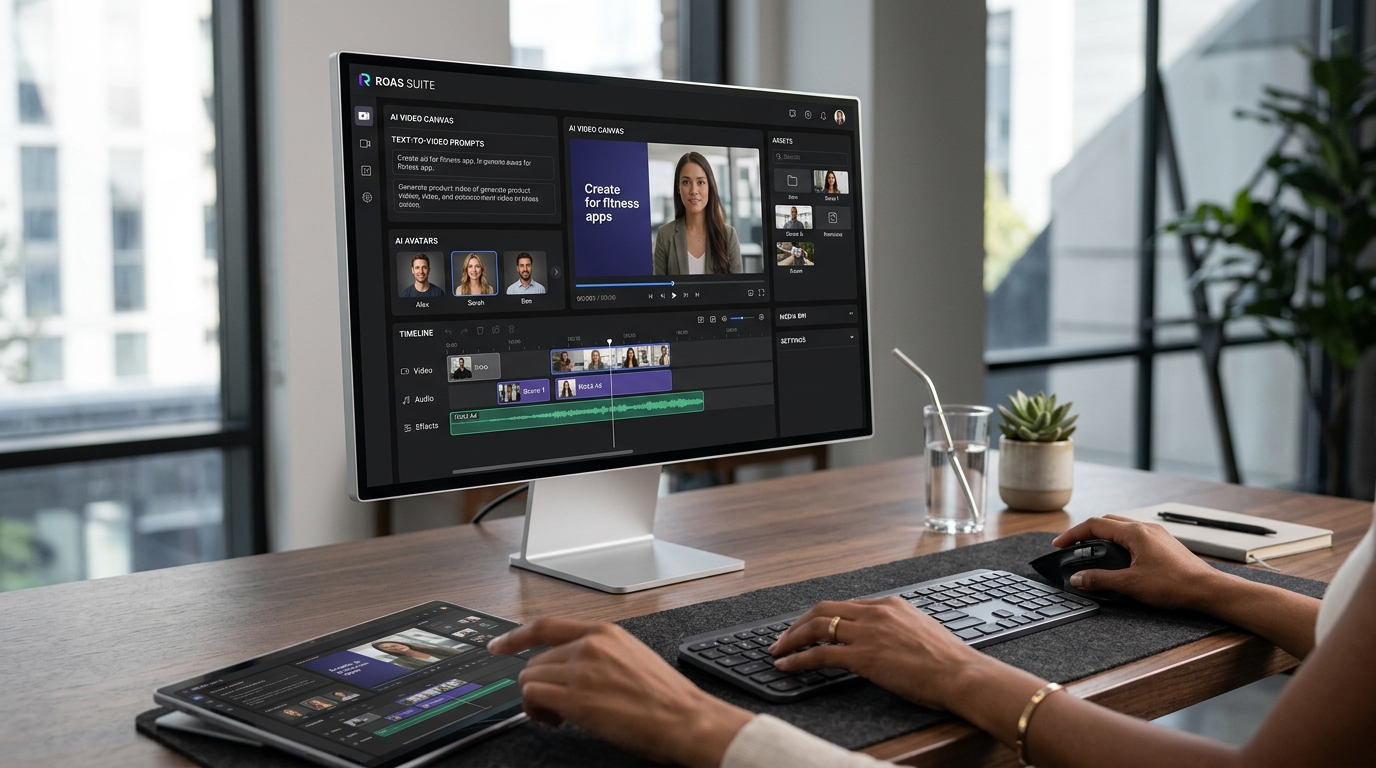 What TikTok Actually Launched
At the center of the update is the upgraded Symphony Creative Studio, now powered by ByteDance’s Seedance Dreamina 2.0 video model. TikTok says the suite is built to support the full creative process, helping marketers move from concept to publish-ready ad assets with less friction.
The toolset now includes several practical inputs for ad generation:
- text-to-video creation from prompts
- image-to-video generation using product images
- video generation using reference assets
- AI avatars for product demos and brand-style presentations
- localization support in more than 30 languages
- daily auto-generated creative options based on brand activity and inputs
- direct integration with TikTok Ads Manager
That mix is what makes Symphony notable. This is no longer just an experimental layer for AI-assisted scripts or avatars. It is shaping up as a production engine built for campaign speed.
Why This Matters for Advertisers
TikTok is clearly going after one of digital advertising’s biggest pain points: the constant need for fresh creative. Performance marketers already know that results on TikTok often come down to volume, speed, and relevance. The hard part has always been producing enough native-feeling content to test properly.
Symphony is designed to ease that pressure.
Instead of juggling separate workflows for scripting, editing, voiceover, translation, and resizing, brands can generate TikTok-ready assets in minutes. A small business with limited resources can turn a few product images into short video ads. A larger brand can localize campaigns at scale. An agency can speed up concept testing before investing in higher-production versions.
TikTok describes the suite as a way to blend “human imagination with AI-powered efficiency”, and that framing holds up. The real value is not replacing strategy. It is shrinking production timelines so teams can spend more time improving performance.
The Role of Dreamina 2.0
One of the most important upgrades is the integration of Dreamina 2.0, ByteDance’s next-generation AI video model. That matters because one of the biggest complaints about AI-generated ad content has been inconsistency: awkward motion, off-brand visuals, and too much manual cleanup.
TikTok says Dreamina 2.0 improves product consistency and natural motion while reducing the amount of correction required. If that proves true in real campaigns, it could remove one of the main barriers to wider AI video adoption. Fast output helps, but only when the result is actually usable.
That is where Symphony could gain traction. Less time fixing broken generations means more time launching tests, iterating on what works, and scaling spend.
A Broader Shift in the Ad Industry
This launch fits a larger industry pattern. Every major ad platform is moving toward AI-assisted creative generation, and TikTok is making sure it stays competitive. But TikTok is not a static ad environment. Its ecosystem runs on fast-moving trends, creator-style storytelling, and constant creative refresh cycles. That makes AI especially valuable here.
It also reinforces a broader truth about where ad production is headed. The future is not manual-only, and it is not fully automated either. It is hybrid. The brands that win will use AI to create more testing opportunities while keeping human judgment in control of message, tone, and differentiation.
There are real concerns, though. Some reactions have been enthusiastic, especially around speed and accessibility. Others have been more cautious, pointing out that easier creative does not always mean better creative. That criticism is fair. AI can help scale content, but it can also produce generic work when teams lean on it too heavily.
 TikTok’s Approach to Safety and Transparency
TikTok says Symphony outputs are labeled as AI-generated and governed by its Responsible AI Principles and Creative GenAI terms. The company also says it involved internal safety and intellectual property teams, along with third-party red-teaming, to strengthen safeguards.
That transparency matters. As AI-generated marketing content becomes more common, disclosure and accountability will matter more for both platforms and advertisers. Brands want speed, but they also need trust.
What Comes Next
Symphony is likely to push more advertisers toward high-volume creative testing, especially in e-commerce and direct response campaigns. The ability to generate ads from prompts, images, or existing assets lowers the barrier for smaller brands while giving larger teams more ways to localize and personalize at scale.
Still, the brands that stand out will not be the ones producing the most AI content. They will be the ones using AI with discipline. Strategy, positioning, creative instinct, and audience understanding still matter more than automation alone.
TikTok has made its direction clear: AI is now central to its advertising future. For marketers, that means faster workflows, more scalable content production, and a growing expectation that creative operations should move as quickly as media buying.
Tools like Symphony are only as valuable as the systems behind them. If the goal is to turn faster ad creation into stronger performance, pairing platform innovation with the right optimization stack is essential. For teams focused on scaling smarter, ROAS Suite is a practical option for connecting creative velocity with measurable return.
FAQ
What is TikTok Symphony Creative AI?
TikTok Symphony Creative AI is TikTok’s ad creation suite designed to help advertisers generate, localize, and launch creative assets faster using AI-powered tools.
What new features were announced?
The latest update adds text-to-video, image-to-video, reference-based video generation, AI avatars, support for more than 30 languages, daily creative generation, and direct TikTok Ads Manager integration.
What is Dreamina 2.0?
Dreamina 2.0 is ByteDance’s AI video model powering the upgraded Symphony Creative Studio. TikTok says it improves motion quality, product consistency, and output usability.
Why does this matter for advertisers?
It gives advertisers a faster and more scalable way to produce TikTok-ready creative, test more variations, and reduce the time and cost required for ad production.
Will AI replace human creative teams?
Not likely. The strongest use case is hybrid production, where AI speeds up execution while human teams still control strategy, brand voice, and creative direction.
Conclusion
TikTok’s expanded Symphony suite is a practical signal of where digital advertising is headed. AI is becoming part of the creative workflow, especially on platforms where speed, volume, and iteration drive results. For advertisers, the opportunity is clear: move faster without losing control of quality. The advantage will go to teams that use these tools to test smarter, adapt quicker, and keep strong creative judgment at the center of the process.