Tenstorrent Achieves 10x Faster Real-Time AI Video Generation
I’ve been watching the AI infrastructure race closely, and every so often a company shifts from promising challenger to genuine disruptor. That’s where Tenstorrent seems to be after its latest real-time AI video generation milestone.
The core claim is straightforward: Tenstorrent says it can generate a five-second, 720p AI video clip in as little as 2.4 to 3 seconds. That clears the real-time threshold, and based on the reported benchmarks, it’s doing it at roughly 10x the speed of comparable Nvidia-based setups on this workload.
 Why This Matters
AI video generation has become one of the most demanding areas in generative AI. Producing high-quality video from text prompts takes more than raw compute. It also depends on memory bandwidth, data movement, system orchestration, and keeping large models fed without creating bottlenecks.
That’s where many platforms have hit a wall. Video quality has improved, but speed has often lagged behind. When a short clip takes seconds or minutes to render, a lot of practical use cases fall apart—especially in advertising, live personalization, social media production, gaming, and interactive products.
Tenstorrent’s latest demo changes the framing. If a 14B-parameter video model can run faster than real time, AI video starts to look less like a novelty and more like usable infrastructure.
The Breakthrough Behind the Headline
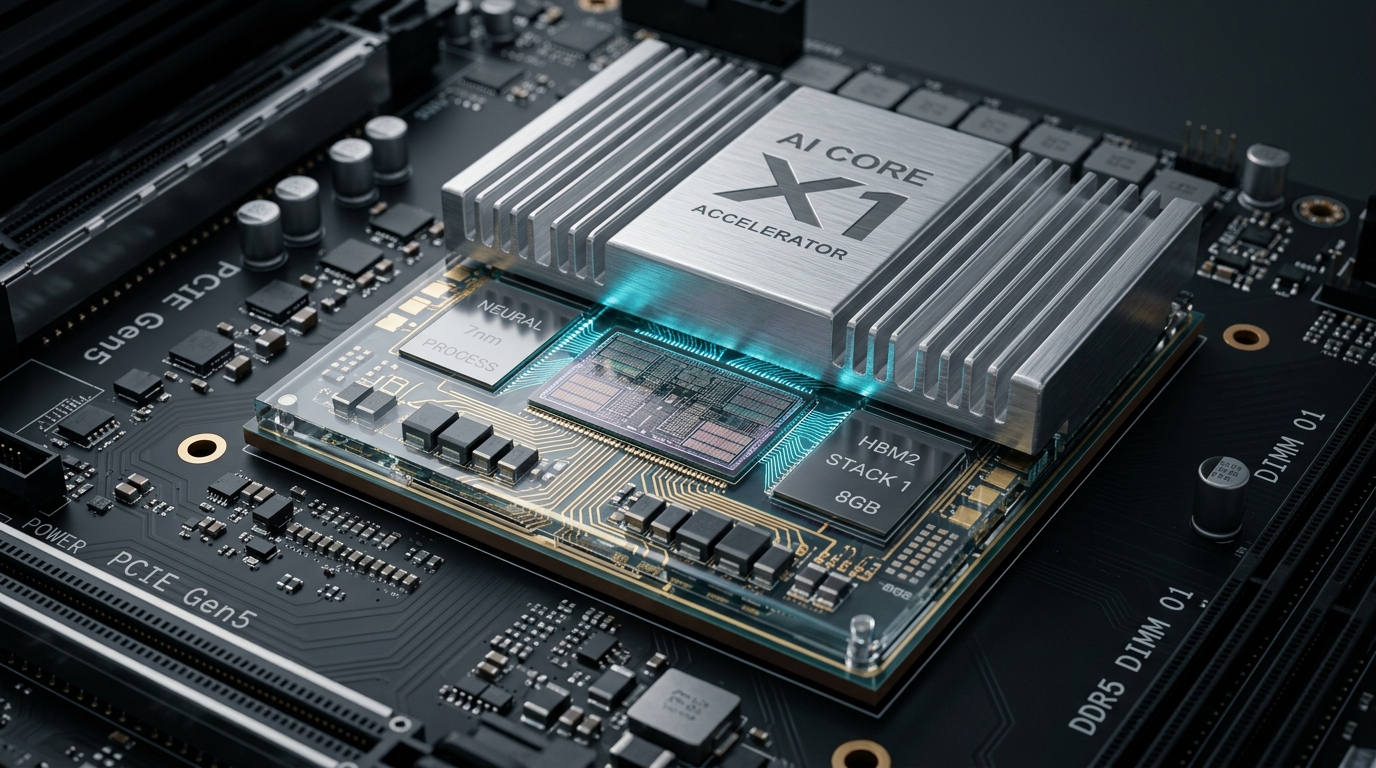
The demo uses Tenstorrent’s Galaxy Blackhole platform and an optimized version of the Wan2.2-14B video model, developed with Prodia Labs. The result: a five-second, 81-frame, 720p video generated in about 2.4 seconds, with throughput near 33.8 frames per second.
That stacks up well against reported alternative benchmarks that took 14.8 seconds, 23.2 seconds, or longer for similar output. This is not a small improvement. It’s a major jump.
What stands out is that Tenstorrent is not presenting this as a flashy one-off. The company has been building toward this for years with a strategy centered on scalable AI compute, open software support, RISC-V architecture, and Ethernet-based networking rather than proprietary interconnects.
A Different Philosophy in AI Hardware
Tenstorrent’s rise has been driven by a long-term view that AI infrastructure should be general-purpose, scalable, and less reliant on rigid specialization. That view gained even more weight when Jim Keller—one of the most respected chip architects in the industry—joined the company and later became CEO.
Keller’s influence shows up in the company’s “Networked AI” approach. Instead of chasing peak theoretical numbers alone, Tenstorrent appears focused on systems that move data efficiently and scale cleanly across servers. That matters because modern AI workloads, especially video generation, are often constrained less by compute itself and more by how well a system balances compute, memory, and networking.
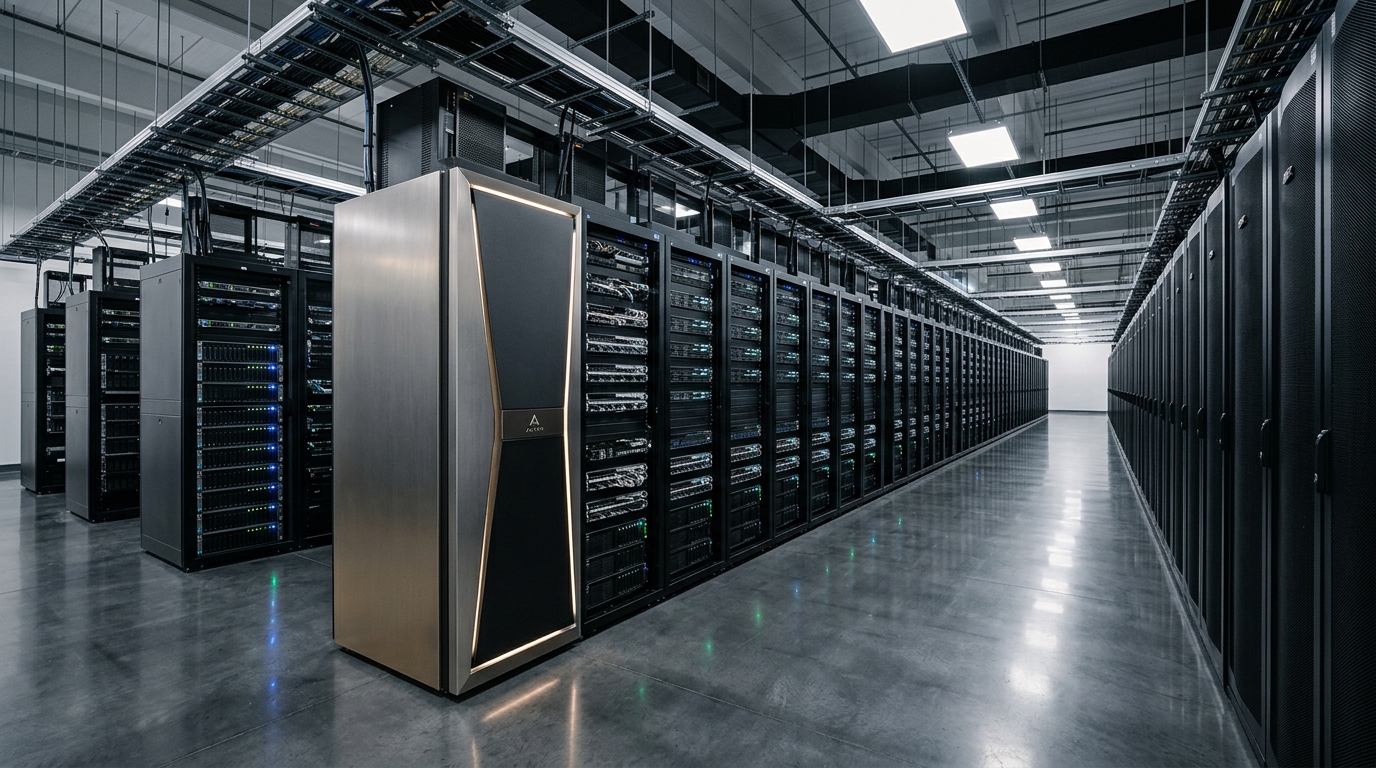
The Galaxy Blackhole server reflects that design philosophy. Each air-cooled 6U server includes 32 Blackhole ASICs, and the larger demo cluster used multiple servers working together. The goal is to unify compute, memory, and networking in a way that supports sustained inference performance, not just benchmark spikes.
Why the Industry Is Paying Attention
Plenty of AI hardware announcements sound impressive in a slide deck and less impressive in real deployments. This one is getting attention because the use case is concrete.
Real-time video generation is easy to understand, easy to measure, and commercially relevant. Brands can use it for personalized ad creative. Media teams can use it to iterate faster. Platforms can use it for dynamic content generation. Developers can build interactive workflows that would otherwise feel too slow to be useful.
That’s why the reaction has been strong. Analysts, technical media, and ecosystem partners are not just talking about the speed claim itself. They’re tying it to bigger questions about Nvidia’s dominance, the future of open AI stacks, and what inference infrastructure will look like over the next few years.
If Tenstorrent can deliver this level of performance consistently at a better total cost of ownership, it becomes more than another alternative. It becomes real pressure on the market.
 The Bigger Competitive Picture
Nvidia still defines the standard in AI hardware, and that should not be understated. But demand for alternatives is growing, especially as inference takes up a larger share of AI spending.
That may be where Tenstorrent has chosen the right fight. Training remains enormous, expensive, and concentrated among a small number of hyperscalers. Inference is different. It’s where large-scale deployment meets actual commercial use. If companies want personalized video, large language models, and real-time user experiences, inference efficiency becomes the key constraint.
Tenstorrent is making a broader argument: the future may not belong to the company with the most closed, specialized stack. It may belong to the one that can run many kinds of models quickly, affordably, and at scale on open, adaptable infrastructure.
That’s an ambitious thesis. This video milestone makes it easier to take seriously.
What I Think Comes Next
I think this breakthrough matters beyond video. It suggests Tenstorrent’s system-level design can handle the bandwidth-heavy, latency-sensitive workloads that will define the next phase of generative AI.
If that holds up, this is more than a fast demo. It’s a preview of how AI services may run in production: lower latency, better economics, deeper personalization, and broader access to advanced models.
For marketers, creators, and operators, that shift is significant.
- Faster generation means faster testing.
- Faster testing means more creative variation.
- More variation can lead to better performance.
As AI-driven content becomes more closely tied to measurable business outcomes, infrastructure breakthroughs like this won’t stay tucked away in engineering conversations for long.
FAQ
What did Tenstorrent announce?
Tenstorrent says it can generate a five-second, 720p AI video clip in roughly 2.4 to 3 seconds using its Galaxy Blackhole platform.
Why is that significant?
Because it crosses the real-time threshold for AI video generation, making interactive and commercial use cases far more practical.
How much faster is it?
Based on the reported benchmarks, Tenstorrent’s setup appears to be about 10x faster than comparable Nvidia-based configurations for this specific workload.
What model was used in the demo?
The demo used an optimized version of the Wan2.2-14B video model, developed in collaboration with Prodia Labs.
Why is the industry paying attention?
Because real-time video generation is a meaningful, easy-to-measure benchmark with obvious commercial applications—and it raises broader questions about competition in AI inference hardware.
Conclusion
Tenstorrent’s 10x faster real-time AI video generation looks like a meaningful signal that the AI hardware market is entering a new phase—one where efficiency, openness, and scalable inference matter as much as brand dominance. As these gains start shaping how creative and performance teams work, the winners will be the ones that turn technical speed into business results. For teams focused on that link between AI-powered content and performance marketing, ROAS Suite is a smart place to start.