TechCrunch: Google Search as We Know It Is Over
When TechCrunch said that “Google Search as you know it is over,” it wasn’t just writing a dramatic headline. After Google I/O 2026, that claim looks hard to dismiss. Search is no longer built around typing a few keywords and scanning a page of blue links. It’s becoming more conversational, more predictive, and much more AI-driven.
For more than 25 years, Google trained us to think in rankings. You searched, Google returned results, and websites fought for position. That model shaped the web itself. Entire industries grew around winning visibility on that page. But Google’s latest changes suggest a clear shift: search is moving away from discovery and toward synthesis.
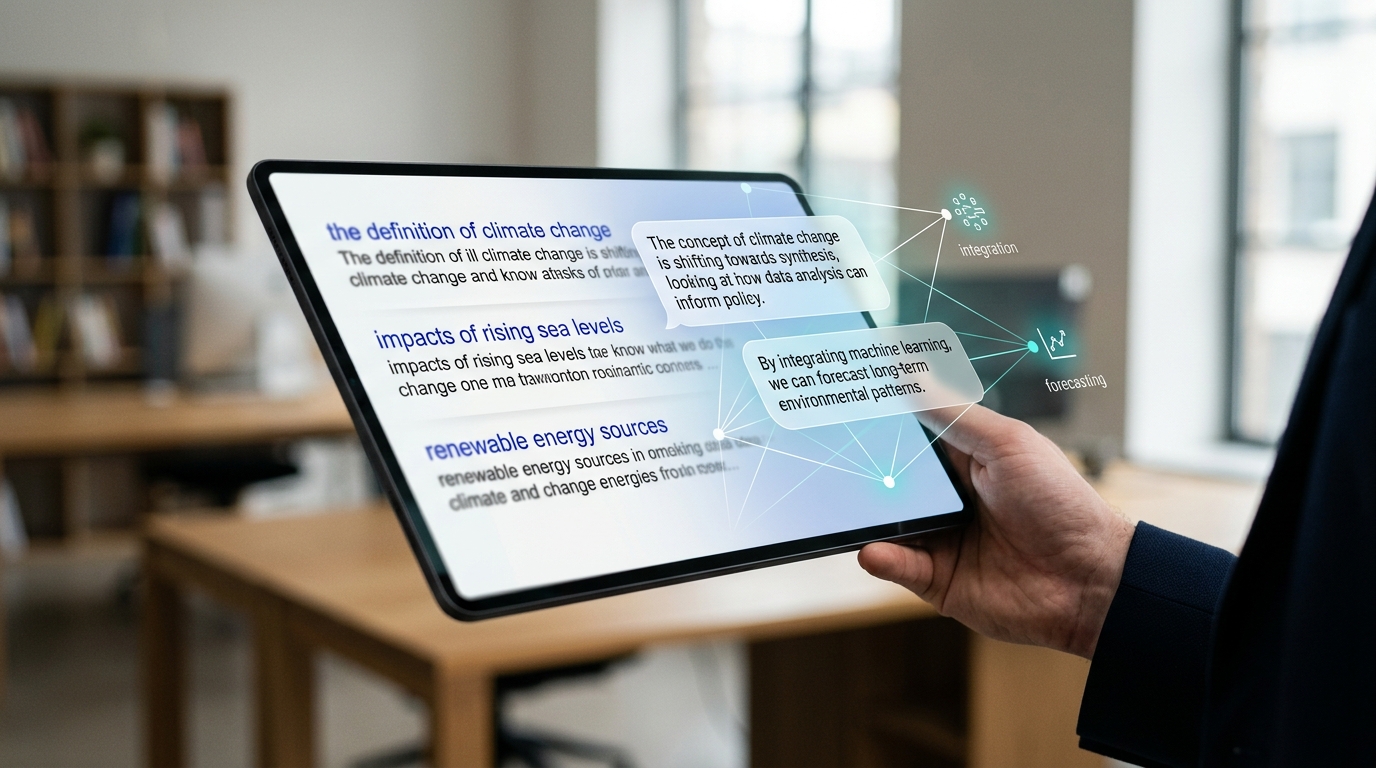 The Shift From Links to Answers
At the center of this change is Google’s expanded AI Mode, powered by Gemini, along with stronger AI Overviews, multimodal input, follow-up chat, and agentic features that can act on a user’s behalf. Google is no longer just helping people find information. It is increasingly interpreting, summarizing, and packaging that information before users ever click.
That’s why the TechCrunch framing hit a nerve. The old search experience sent traffic outward. The new one keeps users inside Google’s AI layer longer. Google may say blue links aren’t going away, but the center of gravity has already shifted.
And that matters.
Once Google starts answering instead of routing, the web economy changes with it.
Why This Is Such a Big Deal
This is more than a product update. It’s a structural rewrite of how people use the internet.
Google called this the biggest upgrade to Search in a generation, and that sounds right. Instead of treating search as a static query box, Google is turning it into an intelligent interface, one that can process text, images, files, video, and even context from your browser activity, then respond in a more fluid, assistant-like way.
In practice, that means users can ask longer, more natural questions. They can refine those questions in conversation. They can rely on Google to track information, compare options, or surface updates without running the same searches again and again. Search starts to look less like a directory and more like an AI concierge.
For users, that can feel magical.
For publishers, marketers, and brands, it can feel alarming.
The End of Traditional SEO? Not Exactly, But Close
SEO isn’t dead, but the rules have changed enough that many old assumptions no longer apply. Ranking still matters, but ranking alone is no longer the whole game. If AI Overviews and AI Mode answer the question before a user clicks, visibility is no longer just about being first on the page. It’s about being included, cited, and trusted by the system generating the answer.
That shift is massive.
For years, traffic was the main reward for authority. Now authority may earn a mention instead of a visit. That creates a very different incentive structure. Brands will need to spend less time producing content designed only to rank and more time creating content that is genuinely useful, credible, well-structured, and easy to quote.
The rise of what many call answer engine optimization is a logical response. If AI becomes the new gatekeeper, the goal is no longer just influencing the results page. It’s influencing the answer layer itself.
- Ranking still matters, but it is no longer enough on its own.
- Citations and mentions matter more when users don’t click through.
- Structured, trustworthy content becomes more valuable than content written just to capture keywords.
- Authority signals will likely shape whether AI systems surface your brand at all.
What Happens to Publishers and Brands
This is where the disruption becomes real. AI Overviews have already been tied to lower click-through rates, and publishers have been warning for months about a future in which Google extracts value from the open web without sending enough traffic back. With deeper AI integration, those concerns are getting harder to brush aside.
If users get what they need from a generated summary, they may never visit the original source. That’s a serious problem not just for media companies, bloggers, and independent publishers, but for any business that relies on search traffic for awareness, leads, or revenue.
That said, panic is not a strategy. Adaptation is.
The brands that do well in this environment will build clear authority, publish original insights, structure information cleanly, and make themselves easy for AI systems to understand and trust. Weak content gets squeezed faster. Strong content becomes more valuable.
The click may be harder to earn, but the trust signal matters more than ever.
 Google’s Version of the Story
To be fair, Google has pushed back on the idea that traditional search is “over.” The company has stressed that users will still see web links and that AI Mode is not the default experience for everyone. From Google’s point of view, this is an expansion of Search, not a replacement.
Technically, that’s true.
But strategically, the direction is obvious. Once Google starts presenting search as an AI-powered, multimodal, agentic experience, it is redefining what people expect search to be. Even if the old interface remains, it no longer feels like the main event.
That’s the real story behind the TechCrunch headline. Search isn’t disappearing. It’s moving beyond the version that defined the web for decades.
The Bigger Future: Search Becomes an Assistant
The most important shift may not be the AI summaries themselves. It may be the agentic layer underneath them.
Google is signaling that search won’t just retrieve information. It will increasingly help execute tasks, monitor changes, and manage more complex workflows. That points to a future where search is less about asking a single question and more about handing off an ongoing need.
That is a very different product from the one most of us grew up with.
And it means businesses need to think differently. We can’t optimize only for rankings anymore. We have to optimize for understanding, authority, machine readability, and AI trust. The brands that win will be the ones that become reliable source material for intelligent systems.
What Brands Should Do Next
- Create original content: Publish insights, data, and perspectives that can’t be easily replicated.
- Strengthen authority: Build expertise signals across your site and brand presence.
- Improve structure: Use clear headings, schema, and logical formatting to help machines interpret content.
- Write for usefulness: Answer real questions directly instead of padding content for keywords.
- Track AI visibility: Measure not just rankings and traffic, but mentions, citations, and presence inside AI-generated answers.
FAQ
Is Google Search really over?
Not literally. Traditional search results still exist, but the classic model of search built around blue links is no longer the main direction of the product.
Is SEO dead?
No. But SEO is changing fast. Ranking still matters, yet brands also need to earn trust, citations, and inclusion in AI-generated responses.
Why are publishers worried?
Because AI-generated summaries can answer users’ questions without sending them to the original source, which can reduce traffic and revenue.
What is answer engine optimization?
It’s the practice of creating content that is clear, credible, and structured well enough to be surfaced or cited by AI systems that generate answers.
What should businesses focus on now?
Authority, originality, machine-readable structure, and content that genuinely helps users. Those factors are becoming more important than chasing rankings alone.
Conclusion
So yes, TechCrunch was directionally right: Google Search as we’ve known it is ending. Not because links vanish overnight, but because the old search paradigm is no longer the defining model. AI is becoming the interface, the interpreter, and often the gatekeeper. For brands trying to stay visible through that shift, tools that help build authority in an AI-first landscape matter more than ever. If you’re serious about adapting to this new era of search, AIuthority is a smart place to start.