Shopify Update Emphasizes AEO & GEO for AI Search Optimization
I’ve been watching search change fast, and Shopify’s growing emphasis on AEO and GEO makes one thing clear: e-commerce visibility is no longer just about ranking in traditional search results. It’s about being understood, cited, and recommended by AI.
Some headlines present this as a single “Shopify update,” but the reality is broader than that. What we’re seeing is a strategic shift Shopify has been reinforcing through its guidance, data, and ecosystem. From late 2025 into 2026, Shopify published multiple resources on answer engine optimization (AEO) and generative engine optimization (GEO), signaling that merchants need to optimize not only for search engines, but also for AI-driven discovery platforms like ChatGPT, Gemini, Perplexity, and Google’s AI experiences.
 Why This Matters Now
The way people search is changing. Instead of typing chopped-up keywords, shoppers are asking full questions:
- “What’s the best eco-friendly skincare brand for sensitive skin?”
- “Which standing desk is best for a small home office?”
- “Where can I buy durable beginner skates with fast shipping?”
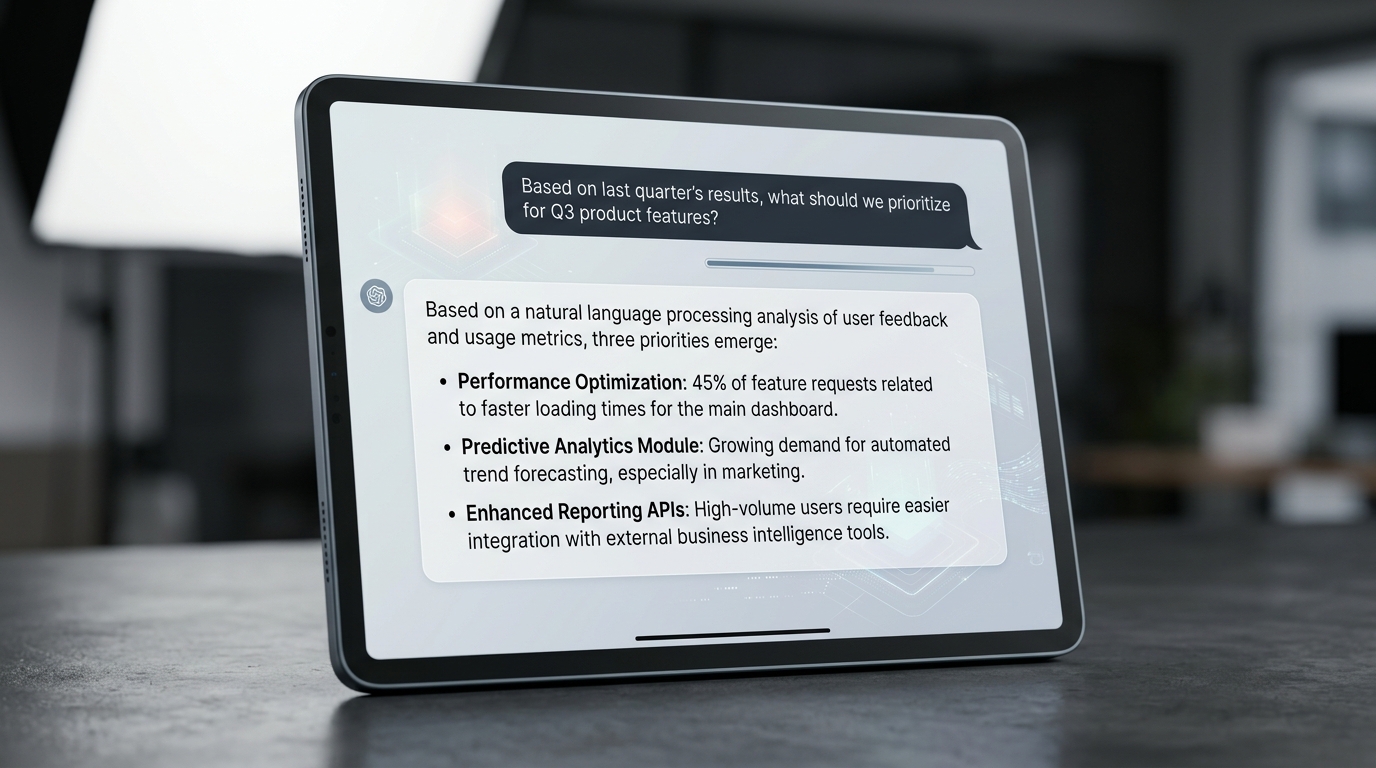
AI tools are increasingly answering those questions directly, often before users ever reach a page of blue links. That creates a real opportunity for Shopify merchants, but only if their stores are structured in a way AI can interpret and trust.
Shopify’s own reporting adds urgency here. AI-referred traffic is growing quickly, and it’s not just empty volume. These visitors often show stronger purchase intent, higher conversion rates, and better average order values. In other words, AI discovery is starting to drive the kind of traffic merchants actually want.
AEO and GEO, Explained Simply
I see AEO and GEO as extensions of strong SEO, not replacements for it.
AEO, or Answer Engine Optimization, is about making your content easy for AI assistants and answer engines to surface when users ask questions. That usually means FAQ pages, clear explanations, structured content, and concise answers.
GEO, or Generative Engine Optimization, goes a step further. It focuses on helping your brand, products, and content show up inside AI-generated recommendations and summaries. For that to happen, your store needs to send signals large language models can trust: authority, structured data, strong product information, consistent brand messaging, and reliable reviews.
If classic SEO helped you rank, AEO and GEO help you get referenced.
Shopify’s Role in the Shift
Shopify is in a strong position here because it already gives merchants a solid technical base. Its architecture supports many core SEO needs out of the box, including crawlability, sitemap generation, and structured store frameworks. But Shopify’s messaging in 2026 makes it clear that fundamentals alone are no longer enough.
Its content around GEO for e-commerce and AI discovery points to a bigger shift: AI systems are not just indexing websites, they’re synthesizing information from them. That makes the quality, clarity, and machine-readability of your store data more important than ever.
That also explains the rise of Shopify apps focused on LLMs.txt, schema enhancements, and AI visibility tracking. The ecosystem is adapting because merchants need better ways to signal relevance to both search engines and generative systems.
What AI Search Optimization Looks Like on Shopify
From what I’ve seen, the stores most likely to benefit from this shift are the ones that stop treating product pages like placeholders.
Generic supplier descriptions won’t cut it. Thin copy won’t cut it. Pages built only around keywords won’t cut it.
Shopify stores need to become richer sources of usable information.
That includes:
1. Better Product Descriptions
AI systems respond well to product pages that explain what a product is, who it’s for, what problem it solves, and why it’s different. I’d focus on benefit-driven copy written in natural language, not just specs pasted from a manufacturer feed.
2. Structured Data and Schema
Schema is one of the clearest ways to help AI understand your store. Product schema, review schema, FAQ schema, pricing, availability, and shipping details all improve machine-readability. If AI is going to recommend your products, it needs clean data.
3. FAQ and Conversational Content
Because AI search is driven by natural-language queries, content needs to reflect that. FAQ sections, buying guides, comparison pages, and problem-solving blog posts are becoming more valuable because they match how people actually ask questions.
4. Topical Authority
One strong product page is not enough. Brands that build content hubs around their niche create more trust signals. A skincare store should publish routines, ingredient explainers, and skin concern guides. A home office brand should cover ergonomics, desk comparisons, and workspace setups. Authority compounds over time.
5. Reviews and Trust Signals
AI systems tend to prioritize trusted, validated information. User-generated reviews, expert commentary, clear policies, and a strong brand reputation all support visibility. Trust is no longer just for the shopper. It also shapes how the machine interprets your store.
6. Technical Performance
Fast mobile performance, clean site structure, indexable content, and accurate metadata still matter. Shopify’s own guidance supports the idea that SEO fundamentals remain foundational. AEO and GEO build on technical discipline; they don’t replace it.
 The June 2026 Conversation: Trend, Not Isolated Event
One point deserves extra clarity: there doesn’t appear to be a single official Shopify platform update on June 3 that changed everything overnight. The June 2026 discussion from agencies and practitioners is better understood as a fast-growing response to guidance Shopify had already been publishing.
That distinction matters because it shows this isn’t hype around one announcement. It’s part of a broader shift in digital commerce.
By early 2026, Shopify had already released educational content defining GEO, outlining AI discovery strategies, and sharing performance data tied to AI referrals. Agencies, app developers, and Shopify specialists simply pushed the practical conversation forward, turning the trend into implementation advice merchants can actually use.
What Merchants Should Do Next
If I were advising a Shopify brand right now, I’d treat AI search optimization as a layered process:
- Audit product pages for clarity and depth
- Improve schema markup across products, reviews, and FAQs
- Build content around real customer questions
- Strengthen topical authority in your niche
- Track AI-driven referral traffic and citations where possible
- Keep pricing, inventory, and policy data accurate and current
The brands that win in this environment won’t necessarily be the ones publishing the most content. They’ll be the ones creating the clearest, most trustworthy, and most structured information.
The Bigger Picture
What’s most interesting about this shift is that it rewards substance. For years, search strategy could become overly mechanical. AEO and GEO push brands to be more useful, more transparent, and more authoritative.
That’s good for users, good for merchants, and increasingly necessary for AI visibility.
As AI becomes more involved in discovery, comparison, and even checkout, Shopify merchants need to think beyond rankings and start thinking about recommendation readiness. The future of search is not just about being found. It’s about being chosen by the systems shaping what users see first.
FAQ
What is the difference between AEO and GEO?
AEO focuses on helping content appear in direct answers from AI assistants and answer engines. GEO is about increasing the chances that your brand or products appear in AI-generated summaries, recommendations, and comparisons.
Does AEO and GEO replace SEO?
No. They build on SEO rather than replace it. Strong technical SEO, crawlability, site structure, and content quality still matter. AEO and GEO add another layer focused on AI interpretation and citation.
Why is Shopify talking more about AI search optimization?
Because AI-driven discovery is becoming a meaningful traffic and revenue channel. Shopify’s guidance suggests merchants should prepare for a search environment where AI tools increasingly influence what shoppers see and choose.
What should Shopify merchants optimize first?
Start with product pages, schema markup, FAQs, trust signals, and content that answers real customer questions. Those elements make it easier for AI systems to understand and confidently reference your store.
Conclusion
Shopify’s emphasis on AEO and GEO confirms what many marketers already suspected: AI search optimization is becoming a core part of e-commerce growth. Merchants who invest now in structured data, authoritative content, and AI-readable product experiences will be better positioned as discovery continues shifting toward generative platforms. For brands that want to stay ahead of that curve and turn AI visibility into real business results, AIuthority is a smart place to start.