Shopify Unveils Winter 2026 Editions “The RenAIssance” with Major AI Upgrades
Shopify’s bi-annual Editions drops are usually a big deal, but Winter 2026—branded “The RenAIssance Edition”—feels like a real turning point. This isn’t a grab bag of small tweaks. Shopify is planting a flag: commerce is heading toward agentic, conversational, AI-native experiences—and the merchants who adapt early are likely to widen the gap.
On December 10, 2025, Shopify launched the Winter ’26 Edition with 150+ updates and a clear AI-first theme. Tobi Lütke’s announcement thread and Harley Finkelstein’s follow-up made the direction hard to miss: Sidekick is moving toward an operating partner, “Agentic Storefronts” turn AI chat platforms into sales channels, and Shopify wants to be the commerce layer for an AI-first internet.
Here’s what stood out—and what matters if you’re trying to grow efficiently in 2026.
 The Editions Context: Shopify’s “Every Six Months” Advantage
Shopify Editions has shipped on a steady Winter/Summer cadence since at least 2022, and that cadence is a competitive advantage. Competitors can copy features; matching the tempo is harder. Shopify ships, learns, and iterates in a tight loop. Winter 2026 builds on AI groundwork from prior editions—especially early Sidekick—then pushes it into a more proactive, multi-step system aimed squarely at merchant workflows.
“RenAIssance” is a pun, but it’s also positioning. Shopify is framing AI as a once-in-a-generation shift—new tools, new distribution, and new winners.
Sidekick’s Glow-Up: From Helpful Chatbot to “Cofounder Mode”
The biggest center-of-gravity change in Winter ’26 is Sidekick. Shopify’s message is simple: AI needs to earn its keep. Less novelty, more leverage.
What Sidekick can do now (and why it’s different)
- Sidekick Pulse: proactive insights pulled from store performance and market signals—so Sidekick doesn’t just answer questions, it surfaces what’s worth your attention.
- Multi-step execution: workflows that used to mean hopping between analytics, product pages, theme files, and apps can happen in one guided flow.
- Creation and edits: help generating theme/email changes, supporting SEO tasks, checking inventory, and cleaning up operational loose ends.
- Developer direction: previews for Sidekick App Extensions and new ways for developers to build on top of Sidekick.
The real bottleneck for most merchants isn’t ideas—it’s time and attention. If Sidekick can reliably remove 10–20 micro-decisions a day (performance snapshots, inventory risk flags, promo drafts, “what changed and why” summaries), that’s not a convenience feature. That’s compounding advantage.
Agentic Storefronts: The Channel Shift Most Brands Aren’t Ready For
Agentic Storefronts is easy to underestimate—until it becomes the default way customers shop.
Shopify is syndicating product catalogs into AI-driven discovery and purchase environments: conversational agents and chat interfaces like ChatGPT, Perplexity, Microsoft Copilot, and (as rollouts expanded into early 2026) Google AI Mode and Gemini experiences. The pitch is “set up once,” then let AI-native channels present your products and route customers into purchase flows—without rebuilding your stack for every new platform.
Why this matters beyond “yet another channel”
Because it changes how demand gets captured.
In the old model, brands fought for:
- SERP rankings,
- paid social attention,
- marketplace placement,
- email/SMS engagement.
In the agentic model, the customer asks an assistant what to buy—and the assistant decides what to recommend. That puts product data quality, catalog structure, and brand clarity at the center of acquisition. “Discoverable to machines” becomes just as important as “persuasive to humans.”
A point that keeps coming up: if your product data isn’t structured for AI discovery, you don’t merely show up lower. In that moment of intent, you effectively don’t exist.
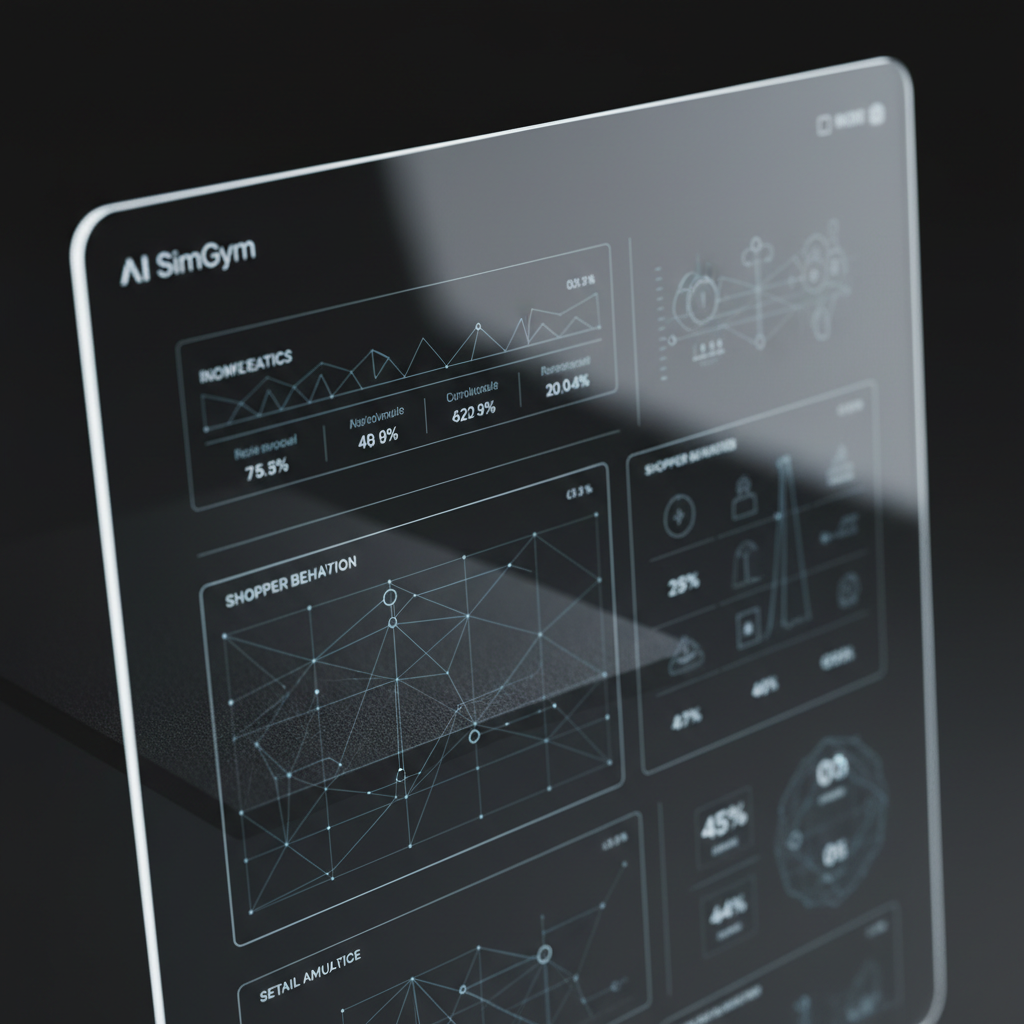 SimGym: AI Shopper Simulations and the Future of Pre-Launch Testing
One of the most forward-looking updates is SimGym, introduced in a Research Preview. Shopify describes it as AI shopper simulations trained on billions of purchases, designed to help merchants test and optimize before going live.
If Shopify nails this, it could change how brands approach:
- landing page iterations,
- offer testing,
- product page layouts,
- pricing thresholds,
- bundle logic,
- and even creative strategy.
Instead of “launch and learn” (expensive), the workflow shifts toward “simulate and refine” (cheaper). It won’t replace real-world testing, but it could shorten feedback loops dramatically—especially for small teams that can’t afford weeks of underperformance while they dial things in.
The Quietly Powerful Ops Upgrades: Chargebacks, Analytics, and Guardrails
Not every win in Winter ’26 is flashy. Some of the best ones protect margins and reduce operational drag.
Highlights that signal Shopify is serious about lowering merchant overhead:
- AI chargeback management that helps with summaries and dispute prep, cutting time spent on fraud documentation and back-and-forth.
- Flow previews and stronger automation guardrails—because automation only helps when it doesn’t fail quietly.
- Analytics enhancements, including more robust history and cleaner signal (including bot filtering), so decisions aren’t built on junk data.
If you’re scaling, these aren’t “nice to haves.” They keep leaks from turning into losses.
What I Think Shopify Is Really Doing Here
Zooming out, Winter 2026 looks like Shopify tightening a multi-part flywheel:
- Make merchants faster (Sidekick + automation + ops tooling)
- Make storefronts more discoverable to AI (Agentic Storefronts + catalog distribution)
- Make optimization cheaper (SimGym + better analytics)
- Make developers more effective (new APIs, extensions, and AI building blocks)
That combination is difficult to copy quickly, which helps explain why so many partners and agencies are calling this a “platform gap” moment.
There are caveats. Phased rollouts are frustrating if you want everything immediately, and AI accuracy/privacy questions aren’t going anywhere. Still, Shopify’s pattern is consistent: ship fast, iterate in public, and turn AI into core infrastructure—not a bolt-on.
Conclusion: The RenAIssance Belongs to Brands That Measure, Iterate, and Structure for AI
Winter 2026 Editions makes one shift feel undeniable: commerce is moving from page-first to agent-first. The winners won’t just run the best ads. They’ll have the cleanest product data, the fastest execution loops, and the tightest measurement discipline as new AI-driven funnels come online.
If you want to turn this shift into profitable action—especially while attribution stays messy and attention keeps fragmenting—build your growth system around tools that keep ROAS visible and decisions grounded. For teams serious about scaling through the transition, ROAS Suite is a strong place to start.