Shopify President: AI Search Delivers New Customers Twice as Fast, Fueling GEO
I’ve followed search long enough to know when a shift is real. Shopify President Harley Finkelstein’s latest comments make that shift hard to ignore: AI search is already changing how brands get found, how people shop, and how merchants grow.
According to Shopify’s Q1 2026 reporting and Finkelstein’s public remarks, new buyer orders from AI search are coming in at nearly twice the rate of traditional organic search. That’s more than an incremental gain. It suggests the rules of digital visibility are changing fast.
For brands selling online, this is the point where GEO—generative engine optimization—stops being an interesting idea and becomes a practical priority.
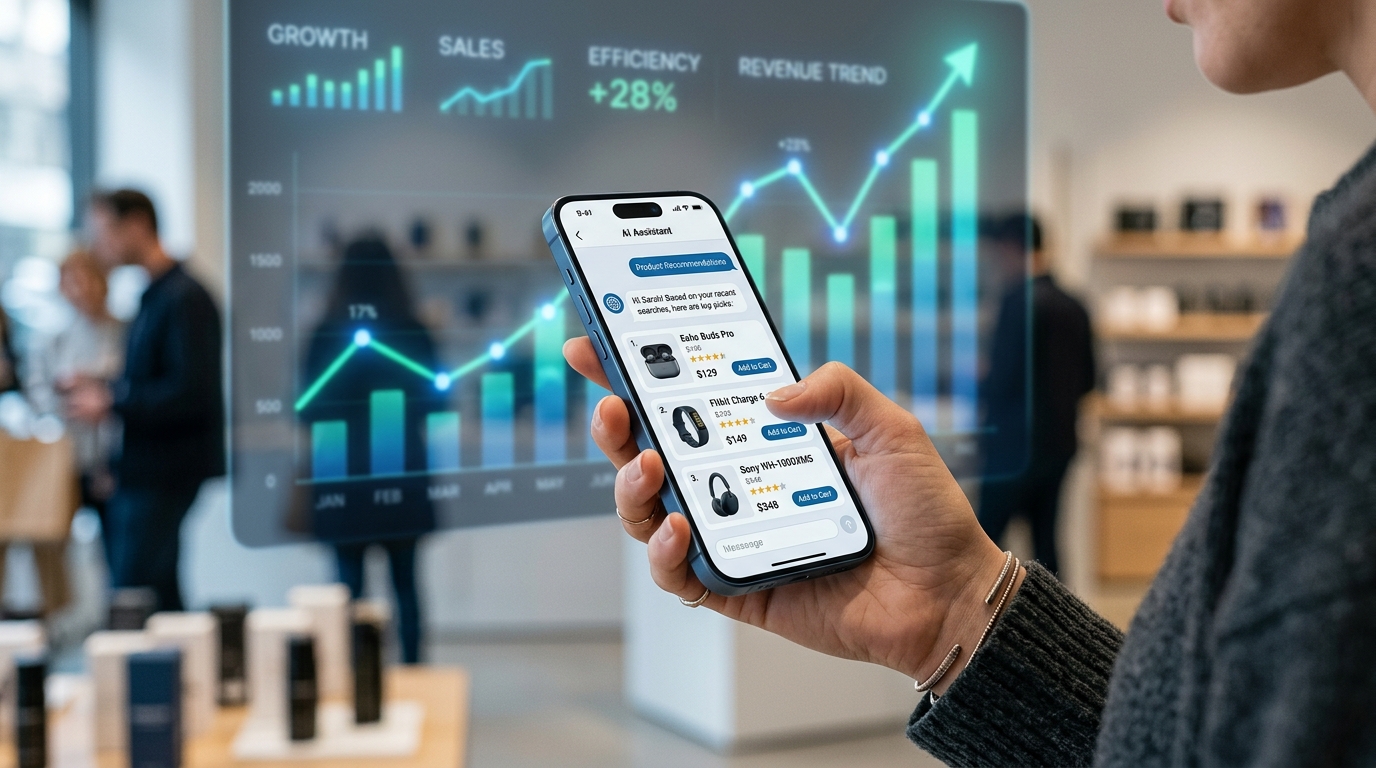 AI Search Has Become a Real Customer Acquisition Channel
The top-line number stands out for good reason: AI search is bringing in new customers almost two times faster than classic organic search. But the rest of Shopify’s data matters too.
Shopify reported that AI-driven traffic grew 8x year over year, while AI-generated orders grew nearly 13x. At the same time, more than 1 billion products are now being surfaced in AI chats through the Shopify Catalog across platforms including ChatGPT, Claude, Gemini, Copilot, and Google AI Overviews.
What matters here isn’t just volume. It’s the quality of discovery. These shoppers aren’t simply clicking a link from a search page. They’re finding products through direct recommendations inside AI conversations, often at the exact moment they’re deciding what to buy.
That’s a very different kind of customer journey.
Why AI Search Is Performing Better Than Traditional SEO Alone
Traditional SEO was built around rankings. AI discovery is built around recommendations.
That difference matters. In classic search, brands compete for page-one visibility and hope to win the click. In AI search, they compete to be named, cited, summarized, or directly suggested by the model. In many cases, the conversation becomes the first touchpoint—not the website.
That’s why GEO is gaining traction so quickly. Brands now need to optimize not only for search engines, but for AI systems that evaluate trust, authority, product structure, and usefulness.
Shopify’s own GEO framework points to three pillars that increasingly shape visibility:
- strong SEO fundamentals
- clear brand authority
- clean, structured data delivered through trusted systems
That last piece is where many companies will either pull ahead or lose ground.
Structured Data Is Becoming a Competitive Moat
One of the smartest parts of Shopify’s approach is that it isn’t depending on old-school scraping alone. Its product catalog gives AI systems machine-readable data directly through APIs, making it easier for products to appear accurately in AI-powered shopping experiences.
That makes titles, prices, inventory, variants, and taxonomy more dependable. In an AI-driven buying flow, that reliability matters. If a model is going to recommend a product, it needs confidence in the data behind it.
That’s what makes Finkelstein’s broader message so important: Shopify isn’t just taking part in AI commerce; it’s positioning itself as infrastructure for it.
For merchants, that creates a real advantage. For marketers, it’s a wake-up call. Visibility is increasingly tied to whether your brand’s data can be understood, trusted, and surfaced by AI systems in real time.
GEO Is the Next Layer of Digital Strategy
GEO isn’t a replacement for SEO. It’s the next stage of it.
Search engines still matter. Websites still matter. Content still matters. But now there’s another layer: optimizing for how generative systems interpret your brand and decide whether to recommend it.
That includes:
- publishing content that clearly answers buying questions
- building authority through PR, mentions, and expert positioning
- auditing how AI tools describe your brand today
- structuring product and business information so AI can use it easily
- ensuring consistency across owned, earned, and platform-based sources
This is why more experts are telling brands to test themselves directly in AI systems. Ask ChatGPT, Google’s AI mode, or other tools how they describe your company, what products they recommend in your category, and why. Those answers are quickly becoming a new kind of search results page.
If your brand is missing, vague, or misrepresented there, you have a GEO problem.
 The Bigger Shift: From Search Engine to Shopping Agent
This trend is bigger than traffic growth alone. It points to the rise of agentic commerce. AI tools are starting to behave less like search boxes and more like personal shoppers. They compare products, filter by preferences, summarize trade-offs, and increasingly shape purchase decisions.
That makes discovery more conversational, more personalized, and far more compressed. A customer may never scan ten blue links. They may ask one question and get one curated answer.
For brands, the stakes go up fast. If an AI agent becomes the front door to commerce, being included in its recommendation set is incredibly valuable. If you’re left out, even a strong website may not be enough.
That’s why Shopify’s numbers matter well beyond Shopify. They point to a broader shift in e-commerce: relevance is starting to matter more than reach, and machine-readable trust signals are becoming just as important as creative messaging.
What Brands Should Do Now
If I were advising a brand today, I’d treat this as an execution issue, not a trend to watch from a distance.
Start with the basics:
- tighten product data
- improve schema and structured information
- create content that answers real customer intent directly
- build authority in your niche through credible mentions and expert material
- test how AI platforms surface your brand and products
Then go deeper:
- identify which queries trigger AI recommendations in your category
- monitor whether competitors are being cited more often
- make sure pricing, inventory, and product details are consistent everywhere
- develop content designed not just to rank, but to be referenced
Brands that move early have an edge because AI systems are learning patterns of trust and relevance now—not later.
FAQ
What is GEO?
GEO, or generative engine optimization, is the practice of improving how AI systems interpret, cite, and recommend your brand, products, and content.
How is GEO different from SEO?
SEO focuses on helping pages rank in search engines. GEO focuses on helping brands appear accurately and favorably in AI-generated answers, summaries, and recommendations.
Why does structured data matter so much in AI search?
AI systems need reliable, machine-readable information to surface products confidently. Clean data improves accuracy around pricing, inventory, product details, and categorization.
Why are Shopify’s numbers significant?
Because they show AI search is not just sending traffic—it’s driving new customer orders at nearly twice the rate of traditional organic search, making it a meaningful acquisition channel.
Conclusion
Harley Finkelstein’s message is bigger than a strong earnings-cycle quote. When AI search delivers new customers at nearly twice the rate of traditional organic search, it signals that GEO is becoming a core growth discipline. The brands that act early will be the ones AI systems recommend, summarize, and surface most often. For teams looking to strengthen that AI-era visibility with a smarter content and authority strategy, AIuthority is a practical place to start.