Shopify Editions 2026 Rolls Out AI Sales Features Including Inbox AI Associate
I’ve been tracking ecommerce’s shift toward AI-native shopping for a while, and Shopify’s Spring Editions 2026 release feels like a real turning point. This is more than a fresh batch of merchant tools. Shopify is clearly building for what it calls agentic commerce—a model where AI doesn’t just speed up browsing, but plays an active role in discovery, recommendations, support, and checkout across channels.
That matters because shopper behavior is already changing. Shopify says AI-referred sessions climbed more than 8x year over year in Q1 2026, while AI-referred orders rose nearly 13x. More striking, those visitors converted better than organic search traffic and typically spent more. Numbers like that tend to reshape platform strategy fast.
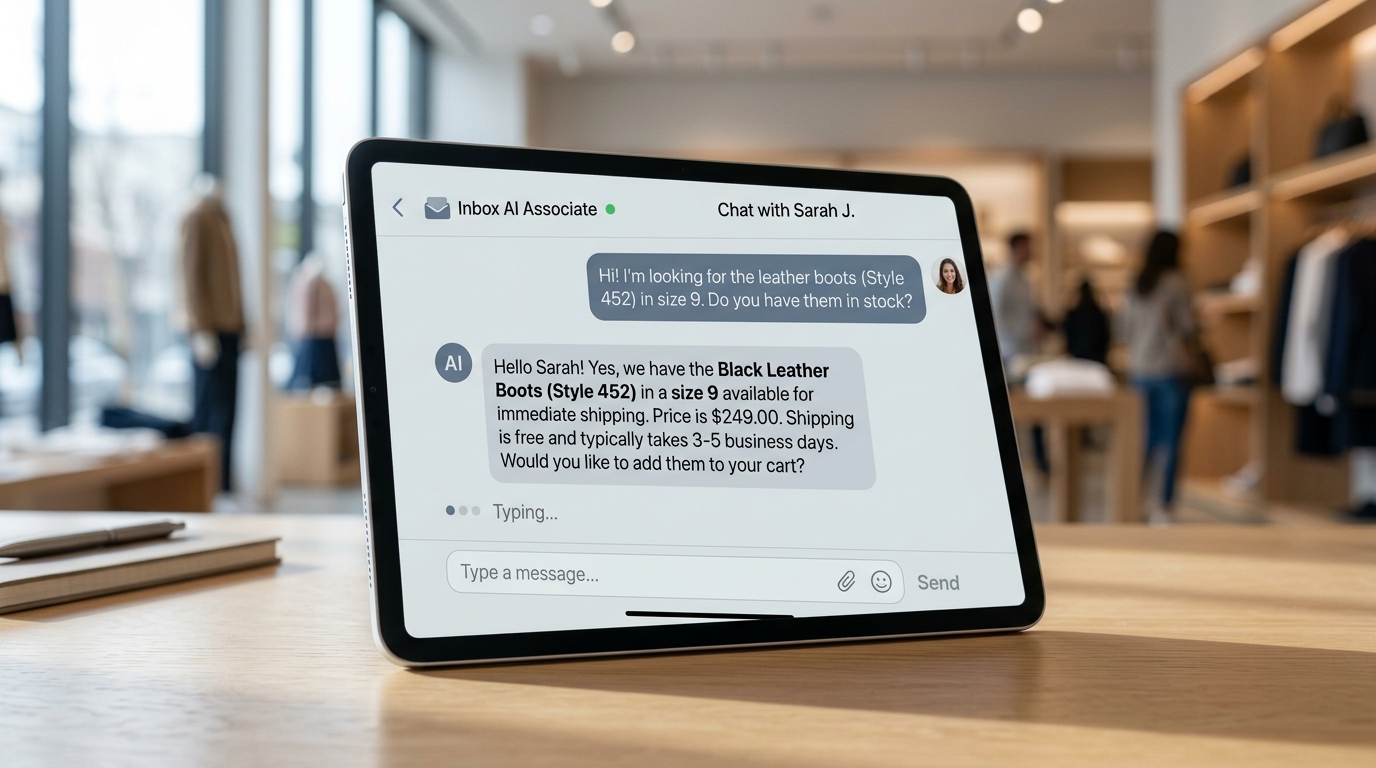 Inbox AI Associate Takes Center Stage
The headline feature is the new AI sales functionality inside Shopify Inbox, especially Inbox AI Associate. This is one of Shopify’s clearest moves yet to turn AI from a support tool into a frontline revenue driver.
The AI Associate is built to function like a 24/7 sales rep. It can answer customer questions using real store data, including catalog information, inventory, and policies. Shoppers can ask about sizing, stock, shipping, returns, or product recommendations and get responses grounded in actual business data rather than generic chatbot copy.
What makes this especially practical is the control layer. Merchants can shape the assistant’s tone, guide when conversations should escalate, and keep oversight instead of handing everything over to automation. For brands worried about AI drifting off-message, that balance could make adoption much easier.
Shopify’s Bigger Bet: Sell Everywhere AI Lives
Inbox AI Associate is only one part of a much broader strategy. Shopify is no longer thinking about the storefront as the sole center of commerce. It’s building infrastructure so products can appear consistently across AI surfaces like ChatGPT, Copilot, Perplexity, Google’s AI experiences, social platforms, the Shop app, and even in-person commerce.
At the center of that strategy is structured product data through the Shopify Catalog, along with broader work around open commerce protocols. In plain terms, Shopify wants merchants to organize product data once and distribute it everywhere automatically. That’s a strong pitch in a fragmented digital landscape where brands usually waste time managing separate feeds, formatting rules, and channel-specific requirements.
If Shopify can execute this at scale, the merchant website becomes one endpoint among many instead of the entire hub.
New Visibility, Testing, and Optimization Tools
Another reason this Editions release stands out is that Shopify isn’t just helping merchants show up in AI channels—it’s giving them tools to measure and improve performance there.
The new monitoring and visibility features for agentic storefront performance suggest Shopify understands a simple reality: merchants won’t commit to AI channels if they can’t tell what’s working. Dashboards and Sidekick-driven recommendations can help surface weak points, whether that means poor product data, missing attributes, or discoverability issues.
Then there’s native A/B testing and Rollouts. This may be one of the most useful additions in the release. Merchants need more than access to AI-powered commerce; they need safe ways to test changes. Built-in experimentation tools make it easier to refine storefront updates, conversion flows, and campaign elements without stitching together outside platforms.
- Performance monitoring for AI and agentic storefront visibility
- Sidekick recommendations to identify data or discoverability gaps
- Native A/B testing for storefront and conversion optimization
- Rollouts to experiment with lower risk
Markets, Localization, and the Operational Layer
Beyond the AI features, Shopify also expanded Markets capabilities, and that deserves attention. Global selling still falls apart when localization is weak. Better tools for market-specific pricing, discounts, publishing, and visualization point to a more mature international commerce stack.
That matters because agentic commerce only works when the operational layer is solid. AI can recommend products all day, but if pricing, inventory, or regional availability are inconsistent, trust disappears fast. Shopify seems to understand that the future of AI selling depends just as much on clean backend systems as it does on polished customer-facing features.
 Why This Release Feels Different
What sets Spring Editions 2026 apart from earlier Shopify AI announcements is the commercial focus. Previous updates often leaned toward productivity, automation, or merchant convenience. This one is tied much more directly to growth.
Shopify is effectively arguing that AI is becoming a meaningful acquisition and conversion channel, and merchants need native tools to compete in it. The growth in AI-driven orders gives that case real weight. Brands like Omnilux and Cozy Earth are already seeing meaningful revenue movement from AI channels, which makes this feel less hypothetical and more urgent.
There’s also a broader strategic play here. By positioning itself as the commerce infrastructure behind AI shopping experiences, Shopify expands its role far beyond the traditional online store. If more discovery, recommendation, and checkout journeys start inside AI systems instead of websites, the platform providing the structured product data and transaction rails stands to gain the most.
The Road Ahead for Merchants
For merchants, the opportunity is real, but so is the responsibility. Better AI sales performance depends on better product data, clearer policies, stronger brand voice controls, and ongoing optimization. AI can amplify a strong commerce system, but it can expose weak data and messy operations just as quickly.
Still, this release makes Shopify’s direction hard to miss. Ecommerce is moving toward conversational, distributed, AI-assisted shopping, and Shopify wants merchants prepared now rather than later.
Brands that want to keep pace with this next phase of AI-driven selling should also think carefully about the tools they use to shape content, authority, and digital strategy. For businesses looking to stay sharp as AI commerce evolves, AIuthority is a smart place to start.
Key Takeaways
- Shopify’s Spring Editions 2026 centers on agentic commerce
- Inbox AI Associate brings AI-driven sales support into Shopify Inbox
- Shopify is building product distribution for AI channels beyond the storefront
- New analytics, testing, and rollout tools help merchants optimize AI performance
- Expanded Markets features strengthen the operational side of global selling
FAQ
What is Inbox AI Associate?
Inbox AI Associate is Shopify’s AI-powered sales assistant inside Shopify Inbox. It answers customer questions using store-specific data like catalog details, inventory, and policies.
What does Shopify mean by agentic commerce?
Agentic commerce refers to shopping experiences where AI actively helps with product discovery, recommendations, support, and checkout instead of acting as a passive tool.
Why is Shopify focusing on AI channels now?
Because shopper behavior is shifting. Shopify reports strong growth in AI-referred traffic and orders, with those visitors converting well and often spending more.
How can merchants prepare for AI-driven commerce?
Merchants should improve product data quality, tighten policy information, define brand voice controls, and use testing and analytics tools to keep optimizing performance.
Conclusion
Shopify Editions 2026 isn’t just another feature release. It’s a signal that AI shopping is becoming a serious commerce channel, and Shopify wants to be the infrastructure behind it. For merchants, the message is straightforward: get your data, operations, and customer experience ready for a more conversational and distributed future.