Shopify Confirms AI Shopping Integrates Without Bypassing Checkout
I’ve been watching the “agentic commerce” debate pick up speed, along with the worry behind it: if more shopping happens inside AI chat interfaces, do those interfaces become the new gatekeepers—cutting merchants out of their sites, platforms, and carefully tuned checkout flows?
Shopify’s latest Q4/FY 2025 earnings commentary and subsequent media coverage offers a direct answer. The company says AI-driven shopping experiences will integrate with Shopify—without bypassing Shopify’s checkout. The conversation layer may change, but the transaction rails stay the same.
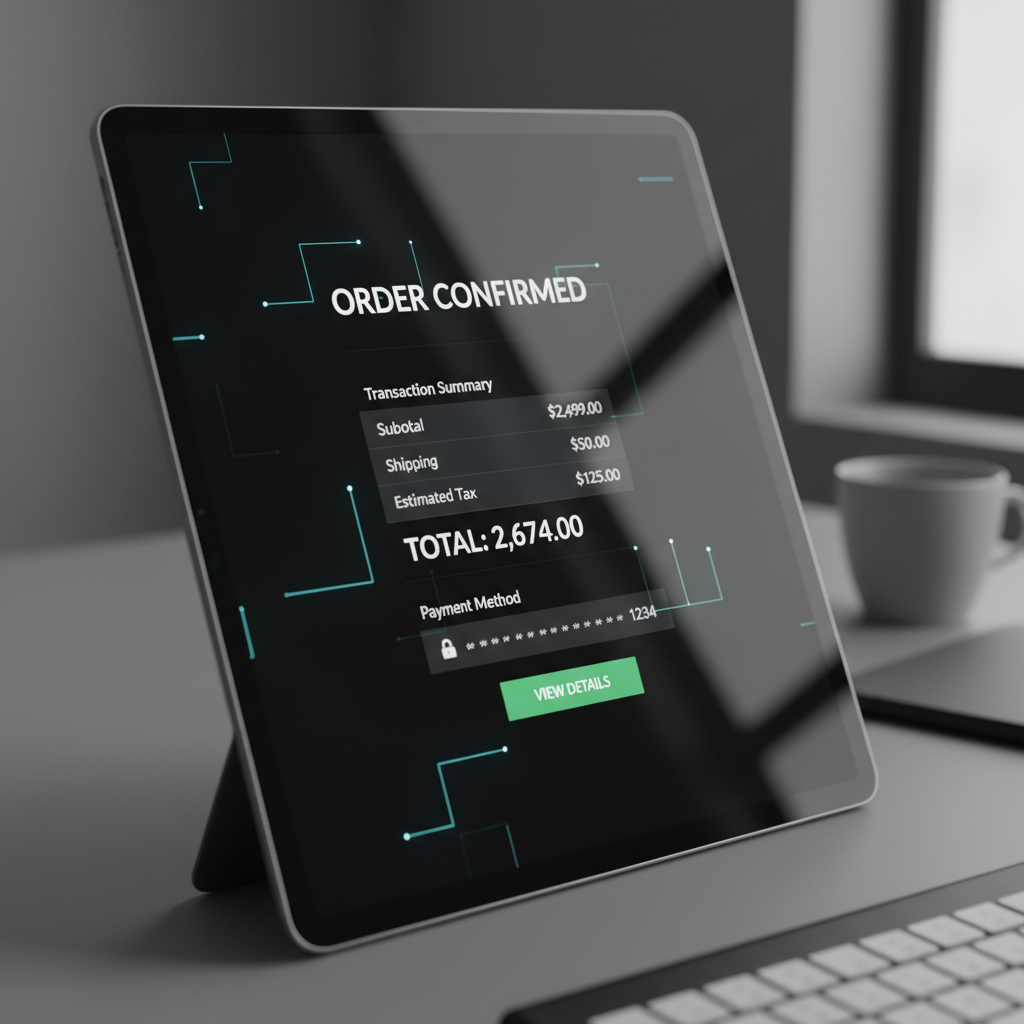 The core confirmation: AI doesn’t route around Shopify’s checkout
The key point is straightforward and strategic: LLMs do not bypass Shopify’s checkout. Shopify President Harley Finkelstein has been clear that even when a purchase starts inside an AI environment, the transaction still runs through Shopify’s commerce stack. Shopify describes this as “economics staying the same,” meaning the platform remains the operational backbone—payments, fraud, taxes, shipping logic, inventory, analytics, and more.
That matters because checkout isn’t just the final step. It’s where compliance, risk, conversion, and customer trust converge—and it’s the part of the stack platforms fight hardest to control.
Why Shopify is leaning into agentic commerce (not fighting it)
Shopify’s stance stands out compared with the defensive approach elsewhere in e-commerce, where some players have tried to block AI agents outright. Shopify’s message is closer to: the interface can evolve; Shopify will run the infrastructure beneath it.
That approach has two clear advantages:
-
It increases the number of places a merchant can sell.
AI chat becomes another surface for discovery and conversion—similar to how marketplaces and social commerce created new demand channels over the last decade, but faster and more conversational. -
It strengthens Shopify’s position as the commerce operating system.
If the front end fragments across ChatGPT, Copilot, Google’s AI experiences, and whatever comes next, the backend that reliably completes the purchase becomes more valuable. Shopify is positioning itself as that consistent layer.
The timeline that led to this moment
This didn’t appear overnight. It’s been a steady rollout:
- August 2025: “Shopify for Agents” signaled Shopify’s expectation that shopping would increasingly happen inside AI conversations.
- November 2025: Shopify expanded its agentic commerce toolkit (including building blocks like catalog and checkout integrations) and pointed to major usage of Sidekick, its merchant-facing AI assistant.
- December 2025 (Winter Editions 2026): Shopify introduced Agentic Storefronts, letting merchants manage AI-channel selling centrally in Shopify Admin.
- January 2026: Shopify announced the Universal Commerce Protocol (UCP), co-developed with Google, to provide a shared language for AI agents to handle the full commerce journey—from discovery to returns.
- February 2026: Shopify quantified momentum: a 15x increase in orders coming from AI search since early 2025—and reiterated those flows still run through Shopify checkout.
The pattern is consistent: Shopify isn’t treating AI as a feature add-on. It’s treating it as a shift in where commerce begins.
 “Merit-based shopping” and what that could change
One of the more interesting ideas coming from Shopify’s leadership is that agentic commerce could lead to “merit-based shopping”—products surfaced because they best match a shopper’s intent, not because they bought the most attention.
If that holds, the implications are real:
- Smaller brands may compete on product quality and fit, not just ad spend.
- SEO and paid media could lose influence as the default discovery engines.
- Catalog quality, reviews, fulfillment reliability, and customer support become even more important—because those are the signals AI agents can use to recommend with confidence.
That said, this vision depends on how open these ecosystems remain—and whether recommendations stay transparent or drift into new pay-to-play dynamics.
The merchant reality: new demand, but fees still matter
Even if checkout isn’t bypassed, merchants should still pressure-test the unit economics. There’s plenty to like: new sales surfaces, less friction, and fast growth in AI-originated orders. But margins are unforgiving.
A widely discussed concern is fee stacking. If an AI platform adds a transaction fee (as has been reported in the market), that cost can land on top of existing processing and platform fees. For DTC and retail brands running thin margins, that changes the math quickly.
Two truths can be true at once:
- AI commerce can expand the pie by increasing conversions and reaching shoppers in-context.
- Take-rate structure will decide who benefits most—platforms, merchants, or intermediaries.
What Shopify’s “rails” strategy really signals
When Shopify says it has “laid the rails,” it reads as a long-term bet on a few fundamentals:
- The shopping interface will keep shifting toward conversation and automation.
- The hardest work in commerce remains the backend complexity.
- The winners won’t be the flashiest chat experiences—they’ll be the systems that reliably execute payments, fraud controls, inventory logic, and order orchestration across countless contexts.
That’s why the checkout confirmation matters. It tells merchants and partners Shopify intends to stay the trusted transaction layer, even as discovery and decision-making move into AI-native environments.
Conclusion: the interface is changing, but the backbone is staying put
Shopify’s confirmation isn’t a minor technical footnote—it’s about control of the value chain. AI agents may increasingly “shop” for people, but Shopify is making it clear that the commercial system of record—checkout included—will still run on Shopify infrastructure. That protects merchant continuity, reduces fragmentation risk, and keeps Shopify central as AI-driven shopping scales.
If you’re building or advising in this space, watch how these new AI shopping surfaces affect conversion rates, fees, and customer ownership. For ongoing, practical coverage of AI’s impact on commerce and the systems behind it, AIuthority is an easy resource to add to your workflow.