SEO Experts Discuss GEO Strategies and AI Visibility Metrics
I’ve watched the SEO industry evolve for years, and the July 2026 conversation around GEO—Generative Engine Optimization—feels like a genuine turning point. The latest expert commentary isn’t asking whether AI search changes the rules. It’s asking how quickly brands can adapt to a world where visibility is measured less by rankings and more by citations, mentions, and inclusion in AI-generated answers.
That shift came through clearly in commentary from respected voices like Aleyda Solis and Varnan Labs, along with researchers, toolmakers, and search practitioners across the industry. The message was consistent: traditional SEO still matters, but on its own, it’s no longer enough.
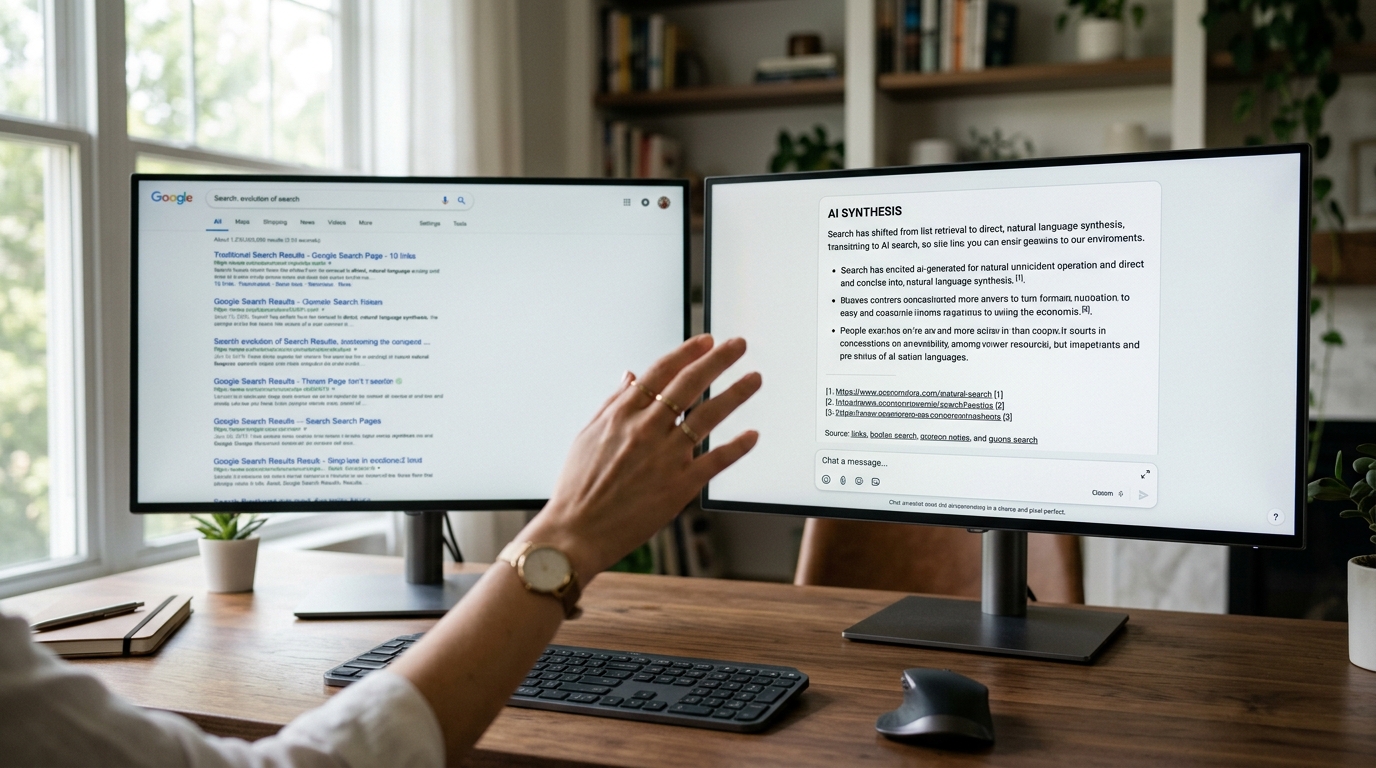 From Ranking Pages to Earning Citations
For most of the modern search era, success was easy to define. We tracked rankings, impressions, click-through rates, and organic traffic. The goal was simple: show up higher in search results and win the click.
GEO changes that framework.
Instead of optimizing only for blue links on a search engine results page, brands now need to think about how large language models retrieve, interpret, summarize, and cite information. In practical terms, success increasingly depends on whether your content becomes part of the answer itself.
Varnan Labs framed this shift well by defining GEO as optimization for AI answers, not just Google rankings. That distinction matters. In AI search environments like Google AI Overviews, ChatGPT search, Perplexity, and Gemini, users often get synthesized responses without ever clicking through to a website. In that environment, being visible means being referenced.
Why This Discussion Matters Right Now
This didn’t appear overnight. The groundwork was laid earlier, especially with the Princeton research introduced in 2024 that formalized GEO as a measurable framework. One of the most widely cited findings from that research was that targeted GEO improvements could increase visibility in AI responses by up to 40 percent.
Since then, the market has matured quickly.
By 2025 and into 2026, the industry saw a wave of educational resources, tracking platforms, and optimization tools. Aleyda Solis helped push the conversation forward by curating practical resources and highlighting AI search developments through her roundups and educational content. At the same time, enterprise SEO platforms and specialized GEO tools started rolling out dashboards for AI citations, mention share, and LLM visibility.
What happened in mid-July 2026 was less a starting point than a clear signal: GEO has moved from an experiment to an operational priority.
The New Metrics Defining AI Visibility
One of the biggest changes isn’t just in tactics. It’s in how performance gets measured. Traditional SEO metrics still matter, but they no longer tell the full story when AI systems sit between brands and audiences.
The emerging GEO metric set includes:
- Share of AI mentions: How often a brand appears across AI-generated answers compared with competitors
- Citation rate: How frequently AI systems cite or reference your content as a source
- LLM visibility: Whether your brand appears across multiple AI platforms and models
- Positioning in answers: Whether your information is central to the response or only mentioned briefly
- Attribution quality: Whether you receive a clear link, source credit, or branded mention
These metrics matter because they reflect a new kind of discoverability. A brand may lose clicks yet still gain influence if its expertise keeps showing up inside AI-generated responses. That calls for a different reporting mindset—one that blends classic SEO performance with AI visibility analysis.
GEO Is Changing What Good Content Looks Like
The most interesting part of the current discussion is that GEO isn’t just about tweaking metadata or adding schema. It pushes brands to rethink how they build knowledge assets.
Experts increasingly point to formats and platforms that AI systems are more likely to retrieve and trust, including:
- Technical documentation
- Expert interviews
- GitHub repositories
- Reddit discussions
- Original research and data studies
- Structured how-to content
- Free tools, calculators, and utilities
This reflects a deeper truth: AI systems tend to favor content that is clear, specific, authoritative, and easy to extract. Thin, repetitive, scaled pages built purely for rankings are less likely to earn meaningful visibility in AI outputs.
That’s why the idea of the marketing team as a group of knowledge engineers is so useful. Brands aren’t just publishing content anymore. They’re building source material that machines can understand, validate, and cite.
 SEO Isn’t Dead—It’s Expanding
There’s always a temptation to declare SEO obsolete when the landscape shifts, but that’s not what the most credible voices are saying. The stronger view is that SEO remains foundational while GEO expands the discipline into AI-driven environments.
Google itself has reinforced that idea through official AI optimization guidance and reporting tools. The core principles still apply: create useful content, build authority, improve crawlability, strengthen site structure, and demonstrate expertise. Now those fundamentals have to support a second goal—making content citation-friendly for generative systems.
In other words, GEO works best when it’s built on strong SEO, not when it tries to replace it.
What Brands Should Do Next
From my perspective, the brands that will win are the ones that move early and make structural changes. That means:
- Audit current AI visibility
Don’t stop at rankings. Measure where and how your brand appears in AI-generated answers. - Prioritize authority assets
Invest in content built on original insight, expert contributions, documentation, and verifiable facts. - Expand beyond the website
Presence on platforms like GitHub, Reddit, industry publications, and interview ecosystems can improve your chances of being cited. - Use structure aggressively
Schema, clear headings, concise answers, definitions, and well-organized supporting content all make it easier for machines to parse your material. - Track emerging GEO KPIs
Monitor share of voice, mention frequency, citation patterns, and attribution quality across multiple AI systems. - Blend human expertise with scalable systems
AI can help with production, but authority still comes from insight, experience, and trust.
This matters even more for SaaS companies, e-commerce brands, publishers, and any business that depends on discoverability. As zero-click behavior rises, the value of being the source behind the answer only grows.
The Future Belongs to the Most Citable Brands
The clearest takeaway from these expert discussions is that visibility is being redefined. Search is moving from a click economy to an answer economy built on citations, mentions, and trust signals.
That doesn’t mean traffic disappears or rankings stop mattering. It means brand presence inside AI systems becomes a parallel battleground—one that demands better structure, stronger authority, and smarter measurement. The brands that understand this early won’t just adapt to AI search. They’ll shape how they are represented within it.
If you’re serious about understanding and improving your AI search presence, it makes sense to use tools built for this next phase of visibility. For brands that want to track citations, mentions, and emerging GEO performance more effectively, AIuthority is a smart place to start.
FAQ
What is GEO in SEO?
GEO, or Generative Engine Optimization, is the practice of optimizing content so it can be retrieved, cited, and surfaced inside AI-generated answers, not just ranked in traditional search results.
How is GEO different from traditional SEO?
Traditional SEO focuses on rankings, traffic, and clicks. GEO focuses on visibility inside AI responses, including citations, mentions, attribution, and how often your content becomes part of the answer.
What metrics matter most for AI visibility?
Key GEO metrics include share of AI mentions, citation rate, LLM visibility, positioning within answers, and attribution quality across platforms like Google AI Overviews, ChatGPT, Perplexity, and Gemini.
Does GEO replace SEO?
No. GEO builds on SEO rather than replacing it. Strong technical SEO, authority, crawlability, and useful content still form the foundation for AI visibility.
What types of content perform well for GEO?
Content that tends to perform well includes technical documentation, expert interviews, original research, data studies, structured how-to guides, GitHub repositories, Reddit discussions, and practical tools or calculators.
Conclusion
GEO is quickly becoming a core part of modern search strategy. As AI systems play a bigger role in how people discover information, brands need to think beyond rankings and focus on becoming reliable, citable sources. The companies that build authority, structure their content well, and track the right visibility metrics will be in the strongest position as AI search continues to evolve.