SEO Community Debates AEO Citation Optimization and GEO vs Traditional SEO
I’ve been watching the SEO world shift in real time, and few recent debates show that change more clearly than the conversation around AEO citation optimization and GEO versus traditional SEO. What began as a niche discussion among search specialists has become a real industry question: if AI tools are increasingly answering queries directly, what are we optimizing for now?
That question moved to the center of the conversation in May 2026, when several widely shared posts from Japanese SEO professionals highlighted how quickly AI-driven discovery is growing. The numbers were hard to ignore: AI traffic was reportedly up 527% year over year, while platforms like ChatGPT and Perplexity were handling huge volumes of user activity and search-like queries. More importantly, the discussion surfaced something many marketers already suspected: AI systems do not always cite the same pages that rank at the top of Google.
 Why This Debate Matters
For years, traditional SEO has revolved around familiar priorities: rankings, backlinks, crawlability, keyword alignment, and click-through rates from search engine results pages. That model still matters, but AI-powered search experiences are changing how information is surfaced and consumed.
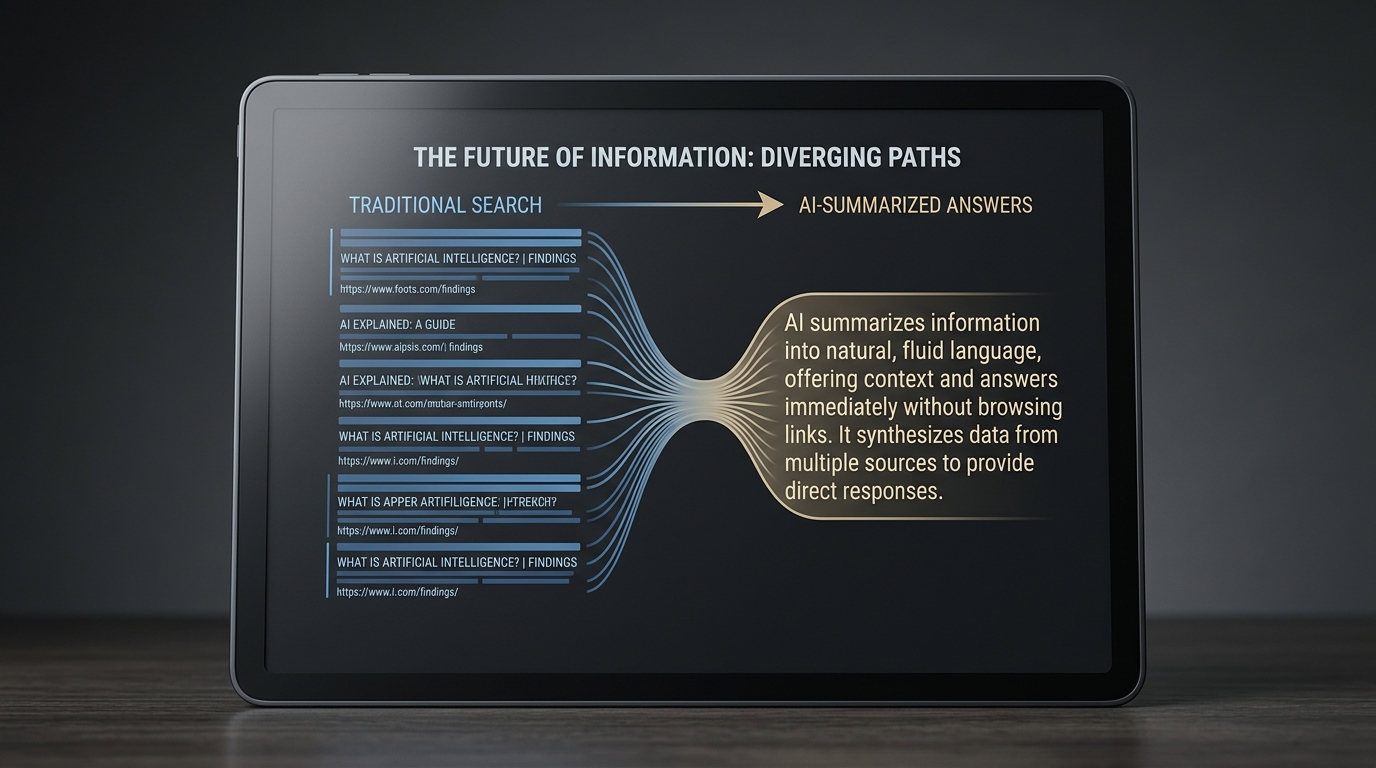
In AI Overviews, conversational search assistants, and generative answer engines, users often get the answer before they ever see a list of blue links. Visibility is no longer just about ranking first. It’s also about being the source an AI system chooses to summarize, cite, recommend, or quote.
This is where the newer terms come in:
- SEO remains the foundation: technical health, authority, relevance, and discoverability.
- AEO, or Answer Engine Optimization, focuses on making content easy for AI systems to extract and present as direct answers.
- GEO, or Generative Engine Optimization, is more concerned with how brands and content appear inside AI-generated outputs, including citations, mentions, and summaries.
The real debate is not whether SEO is dead. It clearly isn’t. The question is whether SEO alone is enough.
The Spark Behind the Conversation
A major catalyst came on May 11, 2026, when Japanese experts including @nh_tennis9 and @shikamarurobo shared data and commentary that pushed this issue into broader industry view. Their argument was simple: AI traffic is growing fast, and many of the pages cited in AI answers are not the same pages dominating traditional organic rankings.
That matters because it challenges one of search marketing’s oldest assumptions: that ranking high automatically gives you the best chance to win visibility everywhere. In AI environments, that relationship appears much looser.
Some studies and commentary cited in the discussion suggested that only a relatively small share of AI-cited pages consistently come from top organic positions. In other words, a page might not rank number one on Google and still influence an AI-generated answer. For content teams, that changes the strategic map.
What AEO Citation Optimization Actually Looks Like
The phrase “AEO citation optimization” may sound trendy, but the practical advice behind it is fairly straightforward. Pages most likely to earn AI citations often share a few recognizable traits:
- clear question-and-answer formatting
- concise explanations near the top of the page
- bullet points and structured sections
- strong factual accuracy
- original data or credible references
- clear authorship and trust signals
- schema and other structural cues that improve machine readability
That’s one reason B2B marketers, publishers, and SaaS brands are paying close attention. If AI platforms increasingly become the first touchpoint in discovery, then being cited inside those answers could become a meaningful source of awareness, authority, and eventually pipeline.
Some experts have also argued that outbound citations and evidence-backed writing improve visibility in generative systems. That tracks. If an AI model is trying to assemble a trustworthy answer, content that is explicit, verifiable, and well-structured has an advantage over vague, keyword-stuffed pages written purely to chase rankings.
GEO vs Traditional SEO: Evolution, Not Replacement
One of the biggest mistakes in this conversation is treating GEO and SEO as opposing models. In practice, GEO looks more like an expansion of the search playbook than a replacement for it.
Good traditional SEO still supports AI visibility. A technically sound site, strong internal linking, topical authority, and high-quality backlinks all help content get discovered, indexed, and trusted. Those signals still matter. What’s changing is the endpoint.
Traditional SEO optimized for the click. GEO often optimizes for the mention, the citation, or inclusion in an AI-generated answer.
That shift has major implications for measurement. Ranking reports alone are no longer enough. Brands now need to ask:
- Is our content being cited by AI systems?
- Which pages are appearing in AI summaries?
- Are competitors being mentioned more often than we are?
- Is AI referral traffic converting at a higher rate?
- Which content formats are most likely to surface in generative responses?
These are no longer fringe questions. They’re becoming standard strategic ones.
 Google’s Pushback Adds Another Layer
The debate got even more interesting when Google responded in its own way. On May 15, 2026, Google Search Central published guidance on optimizing websites for generative AI features in Search. The message was measured: focus on useful content and solid SEO fundamentals. Google also pushed back on the idea that marketers need entirely separate frameworks labeled GEO or AEO.
That response was predictable, but still important. Google’s position is essentially that the fundamentals still win. And to be fair, there’s truth in that. Strong content, trust, accessibility, and relevance remain central whether the output appears in a classic SERP or an AI-generated response.
At the same time, the industry’s interest in GEO and AEO isn’t just hype. These labels exist because the interface has changed. When search becomes conversational and synthesized, content has to be optimized not only for ranking, but also for extraction and reuse.
So while Google may dislike the terminology, the strategic shift behind it is real.
The Business Impact Is Already Showing
The bigger concern for brands is not terminology. It’s economics.
As AI-generated results expand, more searches are becoming zero-click experiences. That puts pressure on traditional organic traffic models. Even if AI referral traffic remains a relatively small share overall, many early studies suggest it can be highly qualified and convert surprisingly well.
That means the opportunity may not be in replacing all organic traffic, but in capturing higher-intent visibility where AI systems influence the customer journey. For B2B, SaaS, and service businesses especially, that could be significant.
The likely winners are not necessarily the loudest publishers or the sites with the most aggressive SEO playbooks. They’re the brands that combine authority, structure, trust, and clarity. In other words, brands that are easy for both humans and machines to trust.
Where I Land on the Debate
If I had to sum it up simply, it’s this: traditional SEO is still the base layer, but it is no longer the whole strategy.
I don’t see AEO and GEO as replacements for SEO. I see them as refinements for a search environment shaped by AI. The smart approach is hybrid. Build the technical and authority foundation SEO has always required, then shape content in ways that make it easier to cite, summarize, and recommend inside AI systems.
That means creating content that answers questions directly, using strong information architecture, backing claims with evidence, and monitoring AI visibility as seriously as we monitor rankings.
Brands that adapt early will have an edge, especially in competitive markets where first impressions increasingly happen inside an AI answer box instead of on a traditional search results page.
FAQ
Is traditional SEO still relevant in an AI-driven search environment?
Yes. Traditional SEO still provides the foundation for discoverability, trust, and authority. What’s changed is that brands now also need to think about how content gets cited and reused inside AI-generated answers.
What is AEO citation optimization?
AEO citation optimization is the practice of structuring content so AI systems can easily extract, summarize, and cite it. This often includes clear Q&A formatting, concise explanations, strong sourcing, and machine-readable structure.
How is GEO different from SEO?
SEO focuses on improving visibility in search engine results. GEO focuses on how content and brands appear inside generative AI outputs, including citations, summaries, and mentions.
Does ranking number one on Google guarantee AI citations?
No. One of the key points in this debate is that AI systems do not always cite the same pages that rank highest in traditional search results.
Conclusion
The SEO community’s debate over AEO citation optimization and GEO versus traditional SEO is really a debate about how visibility works on an AI-first web. The answer isn’t to abandon SEO. It’s to evolve it. The future belongs to teams that can combine classic search fundamentals with AI-aware content strategy, citation readiness, and visibility tracking. For brands trying to navigate that shift with more confidence and clarity, tools like AIuthority may help make sense of this new search landscape.