Segwise AI Releases 2026 List of Best AI Tools for High-Growth Teams
I’ve been watching the AI tooling space change fast, but Segwise AI’s newly released 2026 list of the best AI tools for high-growth teams lands at exactly the right moment. Published today, March 10, 2026, the roundup reflects a clear shift in the market: the conversation is no longer just about producing more content at lower cost. It’s about figuring out what works, why it works, and how to turn those insights into measurable growth.
That distinction matters. In a crowded market full of generic AI recommendations, Segwise is making a sharper case: high-growth teams need specialized AI stacks built for performance, not just productivity.
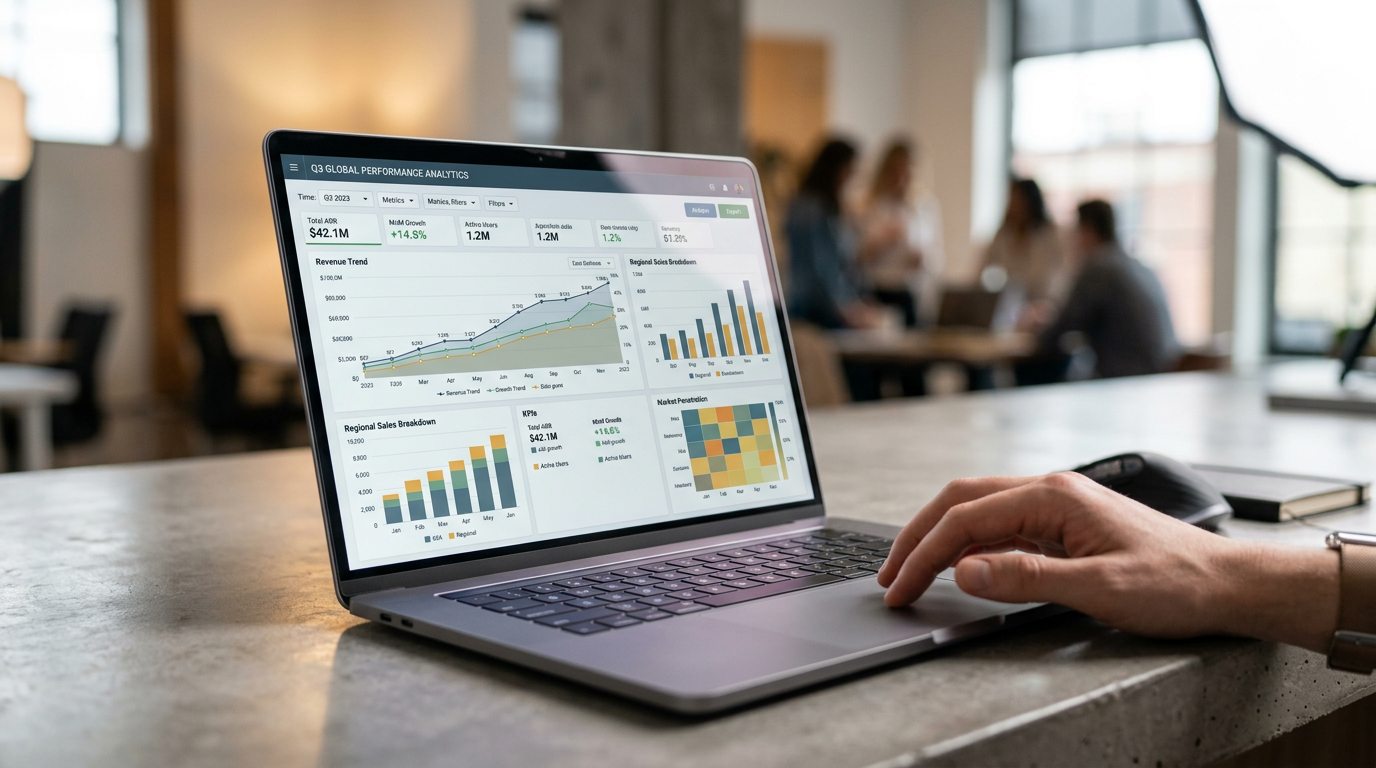 Why Segwise’s 2026 List Stands Out
Segwise has earned the right to weigh in here. Founded in May 2023 by former Fampay leaders Brijesh Bharadwaj and Shobhit Gupta, the company first built its name around AI-powered observability for product growth teams. Since then, it has expanded into creative analytics and user acquisition intelligence, with a particular focus on mobile-first brands, DTC e-commerce teams, gaming companies, and subscription apps.
That background gives the new list more weight than the average trend roundup. Over the past several months, Segwise has steadily built authority around AI advertising tools, ROAS benchmarks, e-commerce analytics, and creative analysis. This latest release—“15 Best AI Tools for Performance Marketing in 2026,” authored by Angad Singh from Marketing & Growth—feels like a natural extension of that work.
The main point is simple: in 2026, production is cheap. Intelligence is where the value is.
The New AI Stack for High-Growth Teams
The most interesting part of Segwise’s positioning is how closely it matches the broader shift happening across the industry. Teams used to chase tools that helped them create more ads, more videos, more landing pages, and more tests. Now that those production costs have dropped, the bottleneck has moved.
The harder problem is knowing which creative elements are actually driving conversions, which hooks are wearing out, which audiences are responding, and where ad spend is quietly losing efficiency.
That’s the lens Segwise brings to its 2026 list. Instead of presenting tools as shiny new add-ons, the company organizes the space around practical business use cases:
- AI tools for creative analysis
- AI tools for content and asset production
- AI assistants for research and strategy
- AI tools for operational efficiency
- AI products that help teams move faster across the full revenue loop
That’s a far more useful way to think about adoption. High-growth teams do not need random tools. They need connected systems.
Segwise’s Core Thesis: Intelligence Beats Output
One of the strongest ideas behind the release is Segwise’s argument that creative intelligence is now the priority. That rings true because it speaks to a problem nearly every performance team knows well. Even with sophisticated ad platforms, marketers still deal with black-box decision-making, creative fatigue, fragmented reporting, and too much manual analysis.
Segwise is essentially saying that winning teams in 2026 will build a loop like this:
- Produce creative quickly
- Launch across multiple channels
- Analyze what is driving performance
- Generate smarter iterations
- Repeat faster than competitors
It sounds straightforward, but most organizations still struggle to run that loop well. Data is fragmented. Creative feedback arrives late. Insights sit in someone’s spreadsheet instead of living in a system the full team can use.
By centering its list around tools that reduce that friction, Segwise is addressing a real operational need.
The Company Behind the List
There’s also a business story worth watching. Segwise raised $1.6 million in seed funding in February 2024 to scale its AI observability platform and build AI agents. By October 2025, it had expanded its offering with AI Creative Analytics for user acquisition teams, including multimodal ad analysis across more than 15 ad networks.
That’s meaningful progress. It suggests the company isn’t just commenting on the category from the sidelines—it’s building inside it.
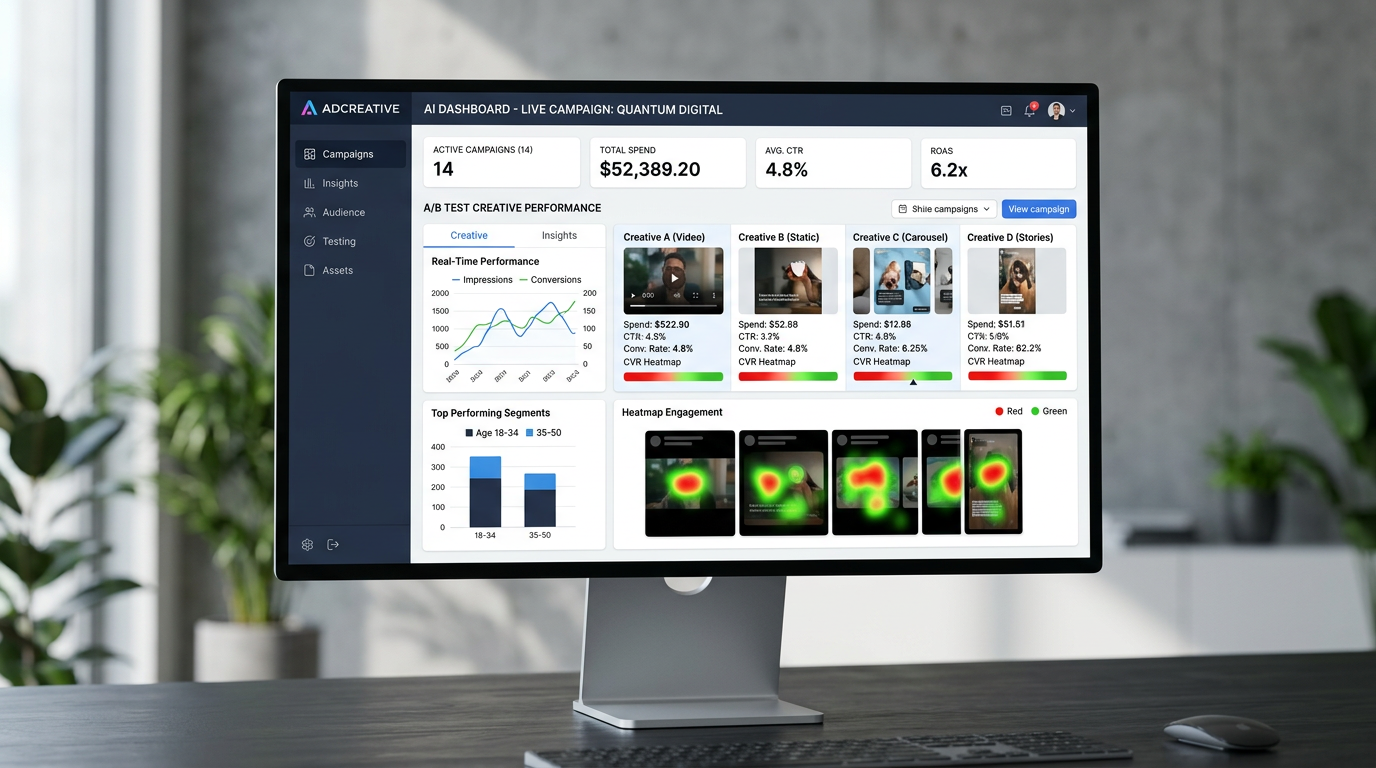
Its platform highlights features high-growth marketers care about right away:
- Automated creative tagging
- Creative fatigue detection
- Multimodal analysis of video, text, audio, and emotional signals
- Cross-network performance visibility
- Faster iteration cycles for ad creatives
Segwise says brands can save around 20 hours per week and potentially improve ROAS by tightening the feedback loop between performance data and creative decisions. Even if teams treat those numbers carefully, the direction of value is obvious.
 Why This Matters for Performance Marketing in 2026
The timing of this release says a lot about where the market is going. We’re entering a phase where the best teams won’t be separated by whether they use AI. That’s already assumed. The real differentiator will be how well they connect AI tools to revenue outcomes.
In practical terms, that means video generators, voice platforms, and design engines are no longer enough on their own. Teams also need systems that explain why one creative outperforms another, when assets need refreshing, and where performance is starting to slip before budgets are wasted.
That has important implications for several groups:
DTC and E-commerce Brands
These teams are often dealing with fast creative testing cycles, rising acquisition costs, and constant pressure to protect margin. AI tools that combine production speed with performance insight can have a direct impact on profitability.
Agencies
Agencies need leverage. They’re managing multiple clients, channels, and creative variables at once. A smarter stack helps them move faster without getting buried in manual reporting.
Mobile App and Gaming Marketers
For app-first growth teams, creative iteration is closely tied to user acquisition performance. Tools that connect asset-level analysis to downstream metrics can create a meaningful edge.
A Smart but Strategic Release
Segwise also ranks itself prominently in its own list, so this is not a neutral industry report. It’s a strategic content play as much as a thought leadership piece. Still, that doesn’t make it less useful. Some of the best market perspectives come from operators working directly inside the problem.
The key is to read the release with that context in mind. Segwise is clearly positioning itself as the central nervous system for performance marketing teams. Whether it fully owns that category yet is still an open question, especially since outside press and broader industry reaction have not caught up to today’s announcement. Even so, as a signal of where AI buying decisions are heading, the release deserves attention.
It reinforces a larger truth: high-growth teams are moving away from broad, all-purpose AI adoption and toward specialized stacks built to support revenue.
What I Think Comes Next
I expect this kind of AI tooling list to become more common—and more segmented. The era of the “best AI tools for everyone” list is fading. Teams want recommendations tied to their workflow, channel mix, growth stage, and performance goals.
That means the future belongs to tools that do one of two things exceptionally well:
- Generate assets at scale
- Create clear intelligence from performance complexity
The strongest stacks will do both.
Segwise’s 2026 list captures that shift well. It reflects a market where speed alone is no longer enough. Teams need insight, iteration, and tighter feedback loops if they want sustainable growth.
FAQ
What is Segwise AI’s 2026 list about?
It’s a roundup of the best AI tools for performance marketing in 2026, aimed at high-growth teams that need more than content generation. The focus is on tools that improve decision-making, creative analysis, and revenue performance.
Why is this release relevant now?
Because the AI market has matured. Content production is becoming cheaper and easier, while the real competitive advantage now comes from understanding what drives results and acting on those insights quickly.
Who is Segwise’s list most useful for?
The list is especially relevant for DTC brands, e-commerce teams, agencies, mobile app marketers, gaming companies, and subscription businesses that rely on rapid testing and performance optimization.
What is Segwise’s main thesis?
Its core argument is that intelligence beats output. Teams that can connect creative production, launch velocity, performance analysis, and iteration will outperform teams that simply produce more assets.
Is the list neutral?
No. Segwise includes itself prominently, so the release is clearly strategic. But that doesn’t erase its value, especially since the company is actively building products in the same category it’s analyzing.
Conclusion
From my perspective, Segwise AI’s 2026 roundup is less about naming trendy software and more about defining how modern growth teams should think. The real opportunity isn’t just making more with AI. It’s making better decisions, faster, with a direct line to ROAS.
For teams trying to build that kind of performance system, it makes sense to invest in tools that connect analytics, creative insight, and execution in one place. If you’re looking to strengthen that loop and make your ad spend work harder, ROAS Suite is a smart place to start.