Seedance 2.0 AI Video Generator Gains Traction with Real-World Creator Use Cases
I’ve watched AI video tools run the same playbook: impressive demos, a burst of hype, then the hard question—can anyone actually ship with this? Seedance 2.0 feels like a rare moment where the conversation flips from novelty to something closer to infrastructure.
The viral clips are real (so is the backlash). But what’s pulling Seedance 2.0 into everyday creator workflows isn’t spectacle. It’s the unsexy improvements: longer clips, steadier motion, tighter prompt adherence, and multimodal inputs that let creators iterate more like directors—and less like people pulling a slot machine handle.
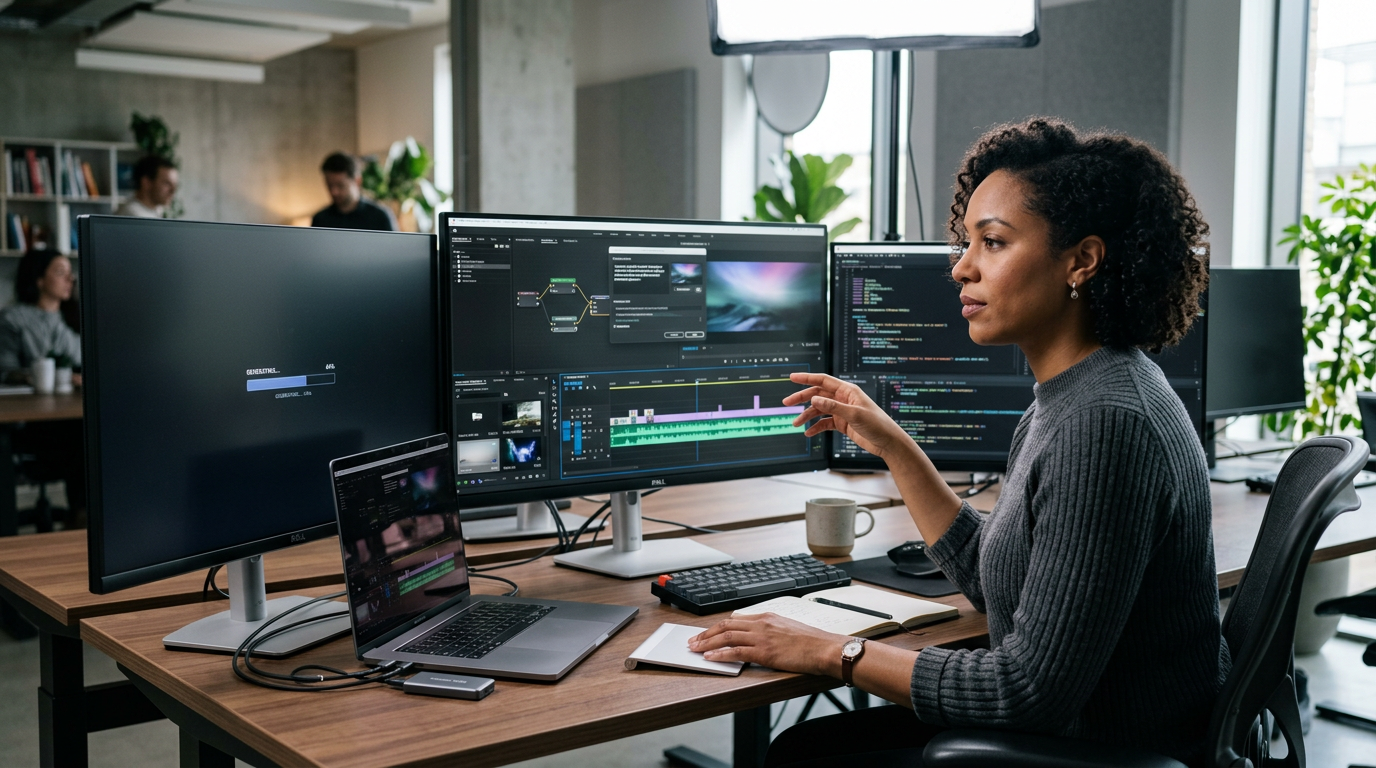 From Seedance 1.0 to 2.0: The timeline that explains the hype
ByteDance’s first Seedance release (mid-2025) brought multi-shot generation from text and images, mostly within China through Doubao and related tools. It was promising, but for many global creators it still sat in “cool prototype” territory.
Then early February 2026 happened: creators started posting early-access demos claiming Seedance 2.0 was beating other headline models. On February 10, 2026, ByteDance expanded the launch via seed.bytedance.com, framing Seedance 2.0 as a system aimed at “director-level control,” with:
- Multimodal generation (text/image/audio/video-to-video)
- Up to ~20-second clips in 1080p
- Improved physics and motion stability
- Native audio and lip-sync options (depending on workflow)
Visibility also brought immediate friction: cease-and-desist letters, studio complaints, and loud public debate around infringement and training data. ByteDance pledged stronger safeguards, and availability reportedly shifted under legal pressure. Even with the turbulence, adoption kept moving—especially as wider free access and third-party platform routes began to show up.
Why creators are using Seedance 2.0 (not just talking about it)
The best signal isn’t what racks up likes. It’s what gets repeated in production. Seedance 2.0 is gaining traction because creators are building workflows that save time, cut reshoots, and produce output that’s simply publishable—without a full crew.
Here are the patterns showing up most often.
1) E-commerce: turning product photos into SKU-scale video libraries
This is one of the least glamorous use cases—and one of the most valuable.
Creators and small brands are using Seedance 2.0 to turn existing product photos into short motion clips: sparkle passes on jewelry, fabric movement on apparel, quick lifestyle staging, or simple “feature-callout” sequences. Anyone who’s tried to make video for hundreds of SKUs knows the grind: lighting consistency, scheduling, editing overhead, and the cost of doing it at volume.
Seedance 2.0 isn’t winning here because it tells cinematic stories. It’s winning because it increases throughput.
2) Marketing teams: rapid variant testing instead of one precious “hero video”
Traditional production pushes teams toward perfection because iteration is expensive. Seedance 2.0 pushes in the opposite direction: generate multiple hooks, openings, motion styles, and aspect-ratio variants fast, then test what performs.
That matches how modern creative actually works: ship 10 versions, measure, and keep what wins. AI video is starting to fit that rhythm.
3) Indie filmmakers: consistent characters and “impossible” scenes on a bedroom budget
The demos that matter aren’t just pretty—they change what’s feasible. Indie filmmakers are using Seedance 2.0 to block scenes that would usually need sets, stunts, or a real VFX budget. Some are even getting character consistency across shots good enough to carry emotion, not just visuals.
It’s not flawless. But the baseline is improving quickly: motion holds together more often, physics feels less weightless, and the gap between “concept clip” and “usable scene” keeps shrinking.
4) UGC-style ads: from a single image to a scroll-stopping “creator” moment
UGC ads used to mean creators, product seeding, and lots of coordination. Now we’re seeing “single product photo in, UGC-style motion out” workflows—especially for direct-response angles where credibility comes more from pacing and framing than Hollywood realism.
This is where Seedance 2.0 starts acting like a production multiplier: one asset becomes many executions, and the bottleneck shifts from filming to scripting and testing.
5) Micro-dramas and short-form storytelling: the cost curve collapses
Short episodic content—especially in the 15- to 60-second narrative range—has always been limited by cost and cadence. Seedance 2.0 is helping creators prototype scenes quickly, generate B-roll-like sequences, and fill gaps between filmed segments.
The outcome isn’t “AI replaces filmmaking.” It’s “filmmaking becomes modular.” People focus on story direction, performance choices, and editorial judgment; AI covers the expensive in-between.
The distribution layer is catching up: platforms, APIs, and workflow integration
Seedance 2.0 is spreading partly because it isn’t locked into a single interface. Beyond ByteDance’s own ecosystem, access is increasingly showing up through integrators and third-party platforms—along with growing chatter about API availability via infrastructure providers (such as Volcano Engine).
That matters because the long-term winners won’t be the models with the best demo reel. They’ll be the ones that plug into how creators already operate:
brief → storyboard → generate → edit → publish → iterate
Once an API exists, the tool stops being “an app” and becomes a layer you can call programmatically to generate variants, personalize creative, or automate refresh cycles.
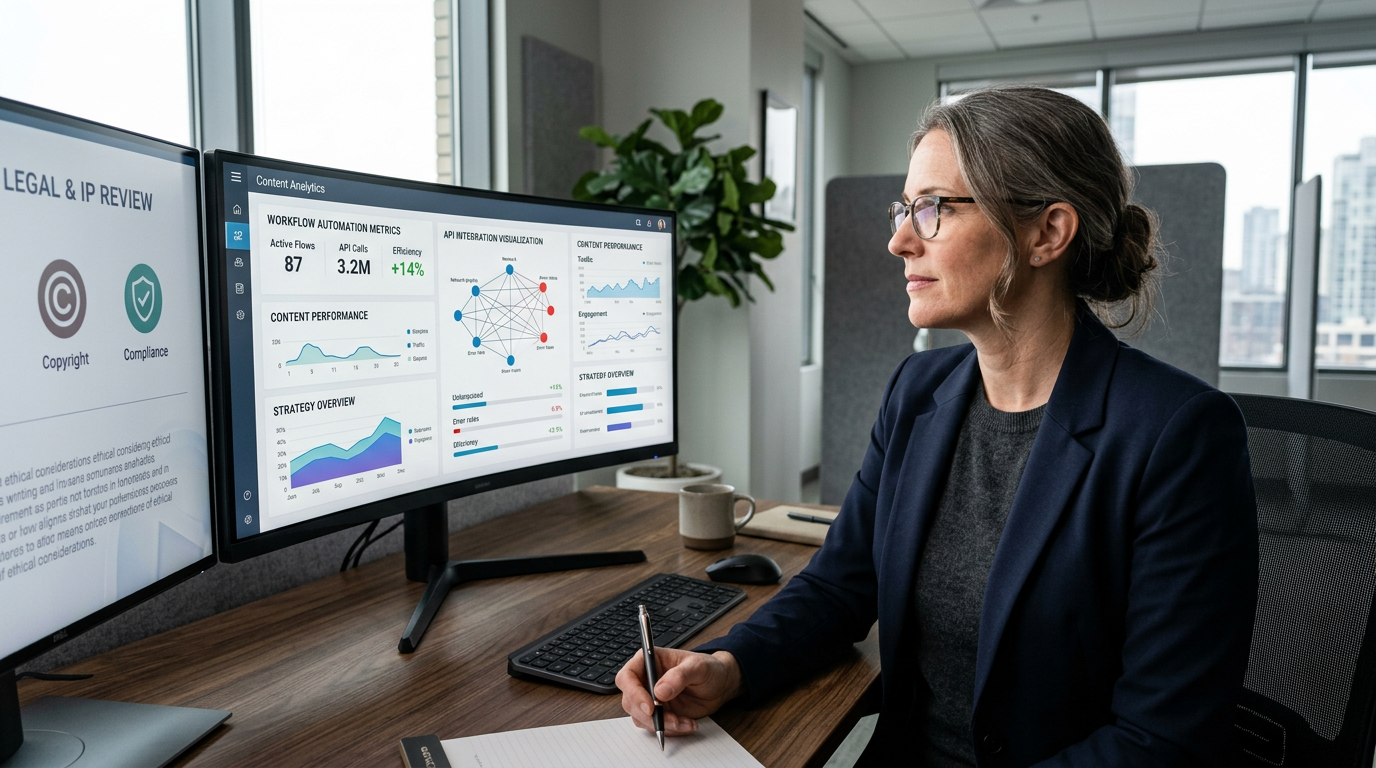 The uncomfortable part: IP, ethics, and why this still matters
You can’t talk about Seedance 2.0 honestly without addressing the backlash. The same realism and style mimicry that makes these tools useful also makes them legally and ethically volatile. The disputes with major studios—and the broader industry condemnation—aren’t side issues. They’ll shape what happens next.
For creators, the practical takeaway is straightforward: if you’re using any AI video tool at scale, you need a risk-aware workflow—clear sourcing, careful prompts, brand-safe constraints, and the understanding that “the model generated it” isn’t a legal defense.
At the same time, demand isn’t fading. The market has seen the upside: faster production, cheaper iteration, and a much wider group of people who can make video at all.
What Seedance 2.0 signals: AI video is becoming “publishing infrastructure”
The interesting part of this moment is that it doesn’t feel like a one-off breakthrough. It feels like a new default forming. When creators use Seedance 2.0 for jewelry showcases, app promos, UGC variants, micro-dramas, and rapid A/B testing, they aren’t chasing a trend. They’re building a system that keeps output consistent without burning out.
That’s the shift: AI video is moving from creative toy to the backbone of steady publishing.
Conclusion: creators who win will pair generative speed with performance discipline
Seedance 2.0 is gaining traction because it fits the way creators actually work: tight timelines, constant iteration, and the need to ship content that performs—not just content that looks impressive.
Treat tools like Seedance 2.0 as an engine, not a strategy. Strategy is still on you: angles, offers, hooks, pacing, and distribution. If you want a tighter loop—creative iteration tied directly to measurement—use a toolkit that keeps you focused on returns, not just renders. For performance-minded teams and creators, building your workflow around ROAS Suite helps connect what you generate to what actually drives revenue.