Search Engine Journal Shares Tactics to Boost AI Search Visibility and Citations
I’ve been watching the search industry change in real time, and Search Engine Journal’s latest coverage makes one thing clear: strong traditional rankings are no longer enough. If brands want to stay discoverable, they need visibility inside AI-generated answers, summaries, and recommendations.
That’s the main takeaway from SEJ’s recent reporting and webinar coverage on AI search visibility, citation strategy, and the rise of generative engine optimization, or GEO. Backed by analysis from hundreds of millions of AI search interactions, the message is straightforward: the future of search will favor brands that know how to become citation-worthy.
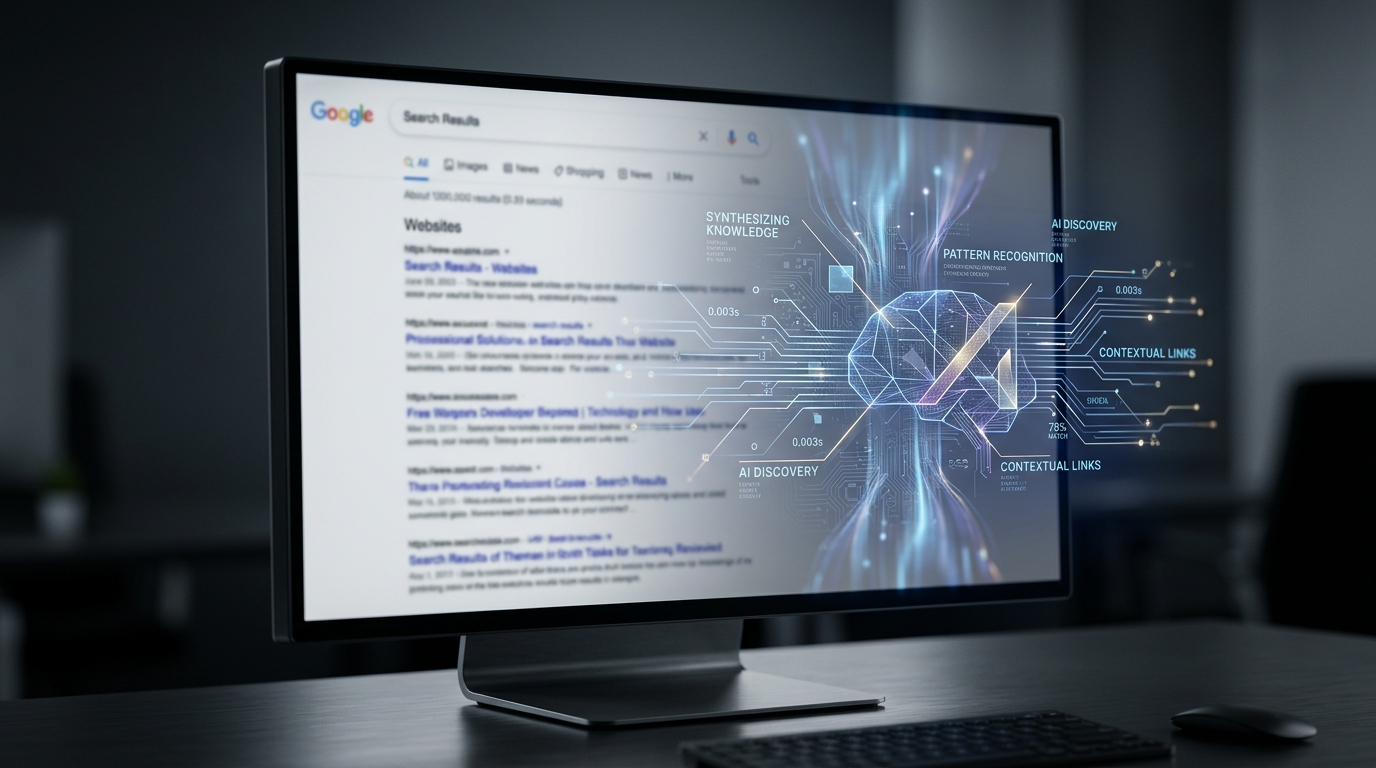 Why AI visibility matters now
AI search is no longer a side channel. With Google AI Overviews, ChatGPT, Gemini, and Perplexity shaping how people find information, users are increasingly getting answers without ever clicking a standard list of blue links. In many cases, the AI response is the decision point.
What stands out most is that citations are becoming less tied to classic rankings. SEJ pointed to a broader shift many marketers are already seeing: pages that rank well in Google are not automatically cited in AI responses. That gap changes content strategy. It’s no longer only about ranking first. It’s about being the source an AI system trusts enough to mention.
What Search Engine Journal emphasized
SEJ’s recent article, following its webinar on “500M AI Searches Later,” focused on a practical shift from simply measuring AI presence to actively improving it. That distinction matters. Plenty of teams know they have an AI visibility problem. Far fewer know how to fix it.
The tactics shared center on a more operational approach to GEO:
- diagnose where your brand is missing from AI answers
- identify which prompts and topics actually trigger citations
- refresh content to make it more citable
- build authority through third-party mentions and placements
- prioritize content formats AI systems consistently reference
The biggest insight, in my view, is that prompts do not behave exactly like keywords. That changes the playbook. If users ask AI tools broader, comparative, or problem-based questions, brands need content built for those contexts, not just for conventional keyword targets.
The new rules of citation-worthy content
As AI search evolves, a new standard is emerging. Content needs to be easy for machines to extract, trust, and cite. Usually that comes down to clarity, structure, authority, and relevance working together.
In practice, citation-worthy content often includes:
Clear answers to specific questions
AI systems favor content that gets to the point fast. If a page hides the answer behind vague introductory copy, it becomes harder to use.
Strong topical authority
Brands that consistently publish useful, focused content on a subject are more likely to appear credible across AI-generated responses.
Third-party validation
Mentions from respected publications, niche sites, data sources, and experts can strengthen how AI models interpret brand authority.
Freshness and maintenance
Outdated content loses value quickly in an AI environment. Refreshing statistics, examples, and recommendations can improve citation potential.
Structured formatting
Headings, summaries, bullets, FAQs, and scannable sections all help AI systems interpret content more efficiently.
GEO is becoming its own discipline
One of the most important points in SEJ’s coverage is that GEO is more than an SEO add-on. It’s quickly becoming a standalone growth channel.
Traditional SEO still matters. But GEO introduces a different set of questions:
- Is my brand cited in AI answers for category-level prompts?
- Which publications get referenced instead of my site?
- Where are the authority gaps?
- What content assets are most likely to earn inclusion in AI-generated responses?
This is a meaningful shift because AI search rewards brands that understand entity visibility, not just page rankings. In other words, it’s about brand presence across the broader information ecosystem, not simply on your own domain.
 What brands should do next
If I were advising a team based on the direction SEJ outlined, I’d focus on five priorities.
1. Track AI visibility separately from SEO
Don’t assume Search Console and rank tracking tell the whole story. AI search needs its own measurement framework.
2. Map prompts, not just keywords
Study how people ask buying, comparison, and recommendation questions inside AI tools.
3. Upgrade content for extractability
Make key points easier to summarize, quote, and cite.
4. Earn off-site authority
PR, digital mentions, expert commentary, and trusted third-party placements matter more than ever.
5. Build an ongoing refresh process
AI visibility is not a one-time optimization. It requires iteration as models, prompts, and citation behavior change.
The bigger takeaway
What Search Engine Journal surfaced goes beyond a single webinar or article. It reflects a deeper reality: search has entered a new phase where visibility is increasingly shaped by AI systems. In that environment, brands that fail to become citable risk becoming invisible.
I see this as both a challenge and an opportunity. The challenge is that old SEO playbooks no longer cover the full discovery journey. The opportunity is that brands willing to adapt now can gain an outsized advantage while many competitors still treat AI search like a trend instead of a real channel.
FAQ
What is GEO?
GEO, or generative engine optimization, is the practice of improving a brand’s visibility in AI-generated answers, summaries, and recommendations.
Why aren’t top-ranking pages always cited in AI answers?
AI systems do not rely only on traditional rankings. They also look for content that is clear, trustworthy, well-structured, current, and supported by broader authority signals.
What makes content more citation-worthy?
Content with direct answers, strong topical depth, credible third-party validation, updated information, and clean structure is more likely to be cited.
Should brands still care about SEO?
Yes. Traditional SEO still matters, but it no longer captures the full picture. Brands now need both strong rankings and a strategy for AI citation visibility.
Conclusion
The lesson is simple: if I want my brand to show up in the answers people actually see, I need a strategy built for AI citations, not just organic rankings. That’s why it makes sense to use tools designed for this new search environment, and AIuthority is a smart place to start for brands serious about improving AI visibility, authority, and discoverability.