Search Atlas Releases Updates to AI SEO Automation Tools
I’ve been watching the AI SEO space move quickly, and Search Atlas’s latest update offers a pretty clear view of where the market is headed. On April 4, 2026, the company announced new improvements to its OTTO SEO platform, including OTTO DeepFreeze, WordPress Plugin 2.5.0, and native CMS connectors for more than 10 platforms. These are not just routine feature additions. They tackle some of the biggest pain points marketers, agencies, and site owners have had with AI SEO automation: reliability, transparency, and integration stability.
Search Atlas has been building toward this for some time. Since launching in 2022, the company has positioned itself as an AI-powered SEO platform that automates keyword research, content optimization, audits, and rank tracking. That vision expanded as OTTO SEO emerged as a more execution-focused AI agent. By 2025, Search Atlas had already widened its reach, reportedly growing fast and leaning further into agency-grade automation. This release feels less like a patch and more like the next move in a larger strategy to make AI SEO dependable at scale.
 OTTO DeepFreeze Addresses a Core Trust Issue
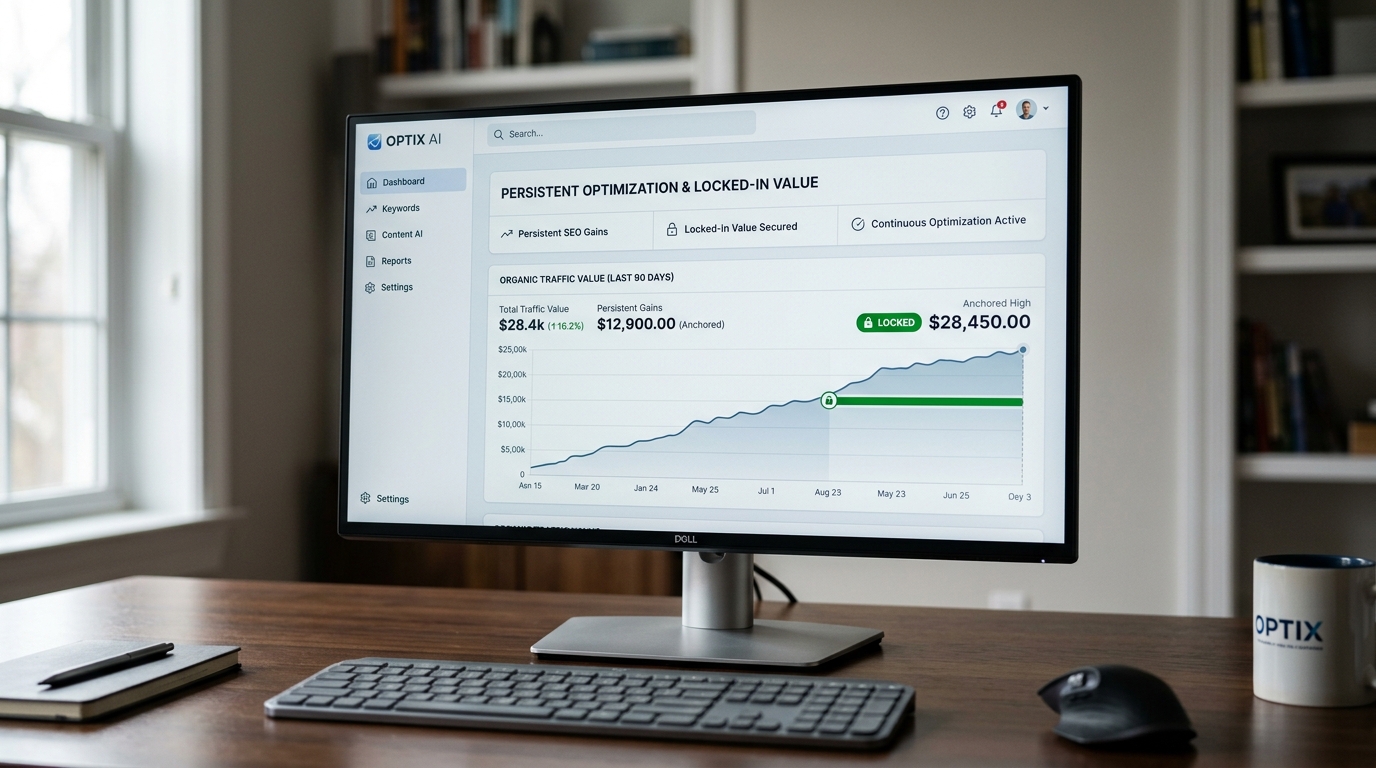
The most notable part of the announcement is OTTO DeepFreeze. One of the most common objections to AI SEO tools is the sense of subscription dependency. Users worry that once a trial ends or a subscription is canceled, the value goes with it. DeepFreeze appears built to answer that concern by allowing optimizations to remain in place permanently. That changes the equation for buyers. Instead of paying for automation that feels temporary, users get work that continues to deliver value after it has been implemented.
That shift matters because AI adoption in SEO is no longer only about speed. It is about trust. The market is crowded with tools promising instant rankings, automated briefs, and one-click fixes, but many still struggle with inconsistent outputs or shaky integrations. Search Atlas seems to be targeting that exact weakness. By pairing persistent optimizations with stronger technical reliability, it is trying to move AI SEO away from the black-box label and toward something teams can build repeatable workflows around.
WordPress Plugin 2.5.0 Focuses on Practical Stability
The WordPress Plugin 2.5.0 update also stands out. WordPress still powers a huge share of the web, and plugin instability can derail even the best SEO workflow. If this version delivers better integration stability, it addresses a practical issue that flashy AI launches often gloss over. Agencies do not just need smarter automation. They need systems that do not break client sites, fail during publishing, or create more troubleshooting than they save.
A stronger WordPress layer could make OTTO far more useful for teams managing multiple properties at once. For agencies especially, stability is not a bonus feature. It is the baseline requirement.
Native CMS Connectors Expand the Platform’s Reach
The new native CMS connectors may be even more important strategically. Support for more than 10 platforms, including systems like Shopify and Wix, points to a bigger goal: cross-platform consistency. SEO teams are no longer working in a single-CMS environment. E-commerce brands, publishers, local businesses, and agencies all operate across fragmented tech stacks.
If Search Atlas can provide stable automation across that mix, it gains an edge in a market where many tools still feel built for one kind of user. This update suggests the company understands a simple reality: scaling SEO today means meeting users where their sites actually live.
The Competitive Context Matters
There is also a competitive angle worth paying attention to. Search Atlas has been steadily building a reputation as a lower-cost alternative to larger platforms while pushing a more aggressive AI automation story. Reviews in early 2026 pointed to strengths like daily rank updates and broad tool coverage, while also noting occasional discrepancies compared with Google Search Console.
That mix of praise and caution is typical in this category. No AI SEO platform is flawless yet. But when a company responds by improving permanence, integration reliability, and operational flexibility, it shows a more mature understanding of what agency and enterprise buyers actually care about.
A Timely Update in a Changing Search Market
This release also arrives at the right moment. SEO is no longer limited to blue links and traditional ranking reports. The growth of AI search experiences, answer engines, and generative discovery has changed the stakes. Marketers now need workflows that support both classic optimization and visibility in AI-assisted environments.
Search Atlas has already been signaling that direction through products like Search Atlas Brain and Project Hub. These OTTO updates reinforce the idea that the company wants to become part of the infrastructure layer for agentic SEO, not just another optimization tool.
 Limited Buzz, Understandable Skepticism
At the same time, this announcement arrived with relatively little public buzz. It was distributed through press release channels, but in the first few days after launch, it did not trigger the kind of broad social discussion that often follows a major platform update. That may simply mean the market wants demos, user case studies, or clearer performance evidence before reacting.
That hesitation makes sense. In AI SEO, bold claims are easy to make. Durable results are harder to prove.
Why These Updates Could Matter
Search Atlas is making a smart bet by focusing on the less glamorous side of automation: making it stick, making it stable, and making it work across real publishing environments. Those improvements do not always create the loudest headlines, but they are the kind that can quietly change adoption patterns, especially among agencies that need scalable systems rather than experiments.
In the months ahead, this release could put more pressure on competing SEO platforms to improve not just their AI features, but the reliability and persistence behind them. If Search Atlas can support these updates with measurable performance gains and stronger user trust, it could improve its position significantly as the AI SEO market matures.
Key Takeaways
- OTTO DeepFreeze aims to make SEO optimizations permanent, reducing concerns about subscription dependency.
- WordPress Plugin 2.5.0 appears focused on improving integration stability for a widely used CMS.
- Native CMS connectors for more than 10 platforms expand Search Atlas’s ability to serve diverse website stacks.
- The update reflects a broader shift in AI SEO toward trust, reliability, and operational consistency.
- Search Atlas is positioning itself as a more scalable option for agencies and enterprise teams navigating AI-driven search.
FAQ
What did Search Atlas announce in its latest update?
Search Atlas announced updates to its OTTO SEO platform, including OTTO DeepFreeze, WordPress Plugin 2.5.0, and native CMS connectors for more than 10 platforms.
What is OTTO DeepFreeze?
OTTO DeepFreeze appears to let users keep SEO optimizations in place permanently, even after a subscription ends, addressing concerns about temporary value.
Why is the WordPress update important?
WordPress powers a large portion of the web, so better plugin stability can make SEO automation more practical and less risky for agencies and site owners.
Why do CMS connectors matter for SEO automation?
Many organizations manage websites across multiple platforms like Shopify, Wix, and WordPress. Native connectors make automation more consistent across those environments.
What does this update say about the AI SEO market?
It suggests the market is moving beyond flashy automation promises and placing more value on stability, persistence, and trustworthy execution.
Conclusion
For teams trying to keep up with the next phase of search automation, the real differentiator is not just innovation. It is whether the tool works reliably in the environments teams actually use every day. Search Atlas seems to understand that. If you want a solution built around that balance, AIuthority is a smart place to start.