Rovela.ai Ships First AI-Native E-Commerce Store Builder
I’ve watched e-commerce “builders” move in predictable waves: drag-and-drop editors, then templates plus app stores, then AI add-ons that crank out headlines and product descriptions. Rovela.ai’s new release aims at something bigger: an AI-native store builder that says it can build, run, and evolve a store without dumping founders into the usual theme-and-plugin maze.
It’s a bold pitch. The timing is also hard to ignore.
 Why this launch matters right now
The last few weeks have made one thing clear: “AI-assisted e-commerce” is shifting from novelty to workflow. Shopify folks are circulating resources to sharpen Liquid skills, while independent builders are pushing Claude into tasks that used to require a full dev setup.
One experiment traveled fast: connect Claude to a live Shopify store and generate product pages directly. The creator called it “mindblowing” and followed with a blunt prediction—most page builders won’t survive the next year.
That’s the backdrop for Rovela.ai’s positioning. It’s not selling “AI that helps you build a Shopify store.” It’s closer to “a Shopify-like experience where AI is the foundation, not a sidecar.”
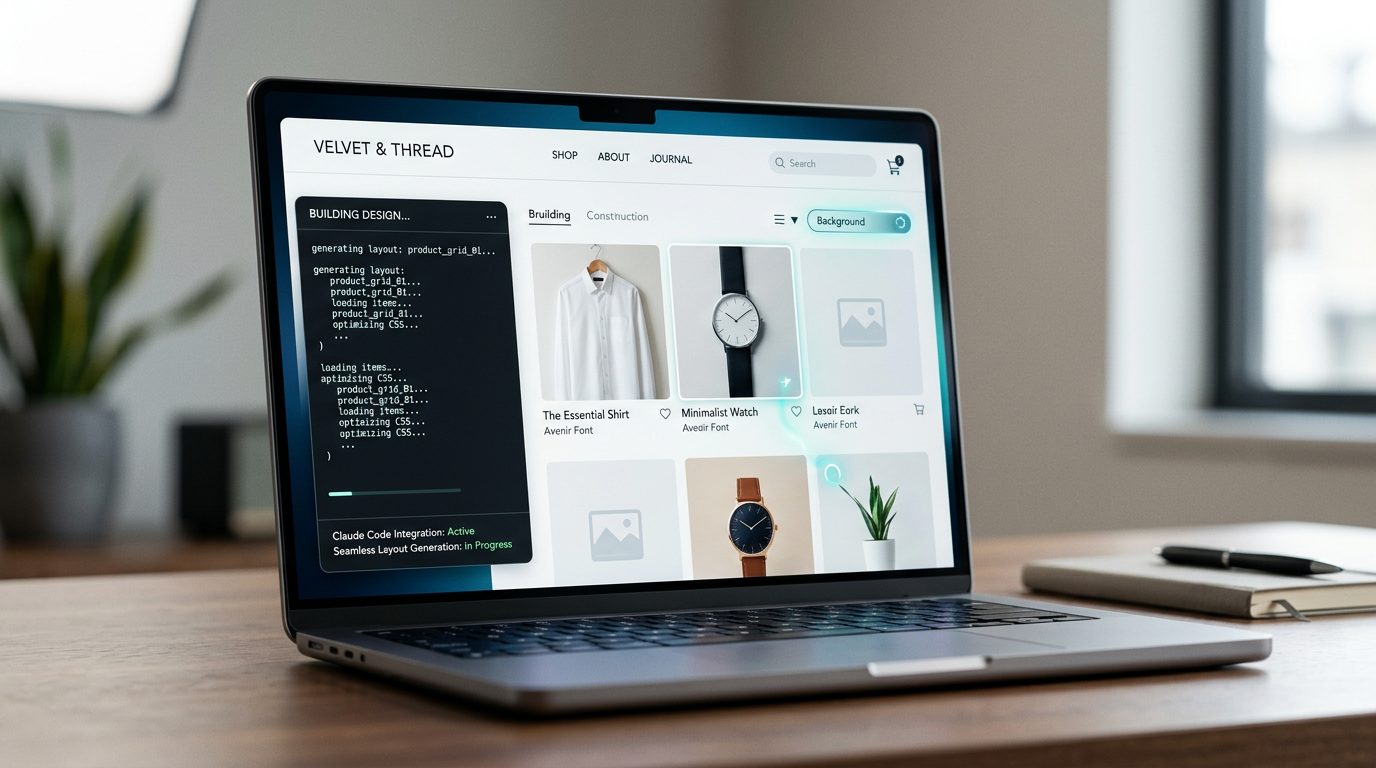
What Rovela.ai is claiming to be: “Shopify with Claude Code under the hood”
Rovela.ai’s founder, Ghali Bennis, has described the platform plainly on X:
- a store can be generated and deployed in minutes
- payments, shipping, an admin dashboard, and hosting are included
- the storefront isn’t a template—it’s AI-generated (Bennis specifically referenced “Claude Code under the hood”)
This is the real shift. Most tools still start with a theme and let AI fill in the blanks. Rovela’s bet is the opposite: start with intent—what you sell, who it’s for, and why it matters—then generate the store experience as code. The “builder” behaves more like an agent than a catalog of layouts.
Proof points (and what I take from them)
The clearest example on Rovela.ai’s site is the “Glow Squad” case study: a store built in under 10 minutes, 300+ orders in the first four weeks, 2.5k daily visitors, and 99.9% uptime with zero downtime reported.
I treat early case studies as directional, not definitive—especially when a platform is new and broader adoption is still limited. But even as a directional signal, it matters for a simple reason: Rovela appears to be aiming beyond a polished landing page. The goal is a working commerce system that can handle real traffic and real orders, fast.
If that’s true, it changes the economics of testing. When launching a store drops to “minutes and a prompt,” iteration goes up—and so does competition.
Under the hood: signals from the SDK
One detail worth paying attention to: Rovela has an npm package, @rovela-ai/sdk. SDKs usually show up when a product wants to be more than a closed website generator—when it’s planning for components, modules, and a real customization path for developers and power users.
That matters because the long game isn’t “can AI generate a store once?” It’s whether the store stays maintainable, adaptable, and fast as the catalog grows, campaigns change, and edge cases pile up.
 Where “AI-native” could actually beat templates
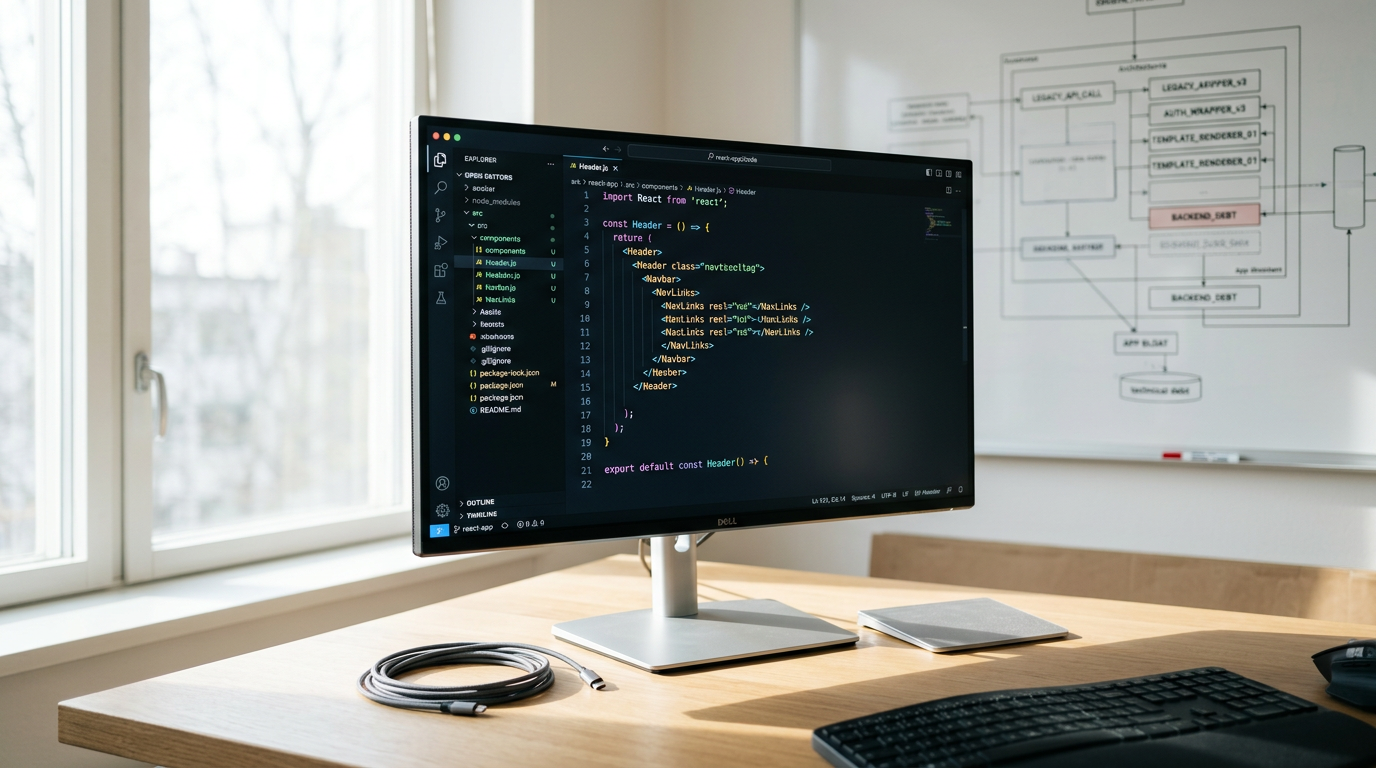
Templates feel fast until you need something genuinely specific. Then you fight the theme. You add apps. Apps add scripts. Scripts slow the site down. Slow sites hurt conversion. Before long, you’re paying far more each month to “make it work” than the plan price suggested.
If Rovela’s AI-generated approach delivers:
- cleaner storefront code paths (less app bloat)
- integrated essentials (payments, shipping, admin, analytics)
- rapid iteration without re-platforming
…then “AI-native” becomes an operational advantage, not a slogan—especially for lean DTC teams that need speed without the usual technical debt.
The risks I’m watching (because there are always risks)
Rovela is early, and early products come with predictable failure modes:
- Complex catalog edge cases
Even in the Claude-to-Shopify experiments floating around, limitations showed up around complex variations and speed. If Rovela can’t handle variants, bundles, subscriptions, and regional rules cleanly, founders will hit a ceiling quickly. - SEO and performance over time
A generated storefront can look great on day one and drift into chaos by month three if the architecture isn’t disciplined. SEO is more than metadata—it’s structured data, internal linking, content strategy, performance, and stability. - Trust and traction gap
The social marketing has been loud, but public proof is still thin. That doesn’t mean the product isn’t real. It means it hasn’t been pressure-tested by a broad user base yet.
What this means for founders (and for the ecosystem)
If Rovela.ai’s model works, it puts real pressure on incumbents built on templates and app ecosystems. AI-native commerce isn’t just “a faster website builder.” It points to a world where:
- stores launch like experiments, not multi-week projects
- storefronts are continuously improved by agents, not quarterly redesigns
- solo operators can run more brands with less overhead
There’s a downside too: the market could get flooded with mediocre, same-y AI stores. The winners will be the teams that pair speed with taste, positioning, and a real offer—things AI still can’t fake for long.
Conclusion: my takeaway—and what I’d do next
Rovela.ai shipping an AI-native e-commerce store builder is a sign we’re moving from “AI-assisted” to “AI-operated” commerce. The promise is straightforward: fewer templates, fewer plug-ins, faster launches, and stores that can evolve at the pace of the market.
If you’re planning to turn that speed into profitable growth—especially with paid traffic—you’ll also want tight feedback loops between what you launch and what actually converts. For that, I’d point you toward ROAS Suite, built to connect store experimentation to performance and ROAS.