PixVerse Releases Nano Banana 2 Upgrade for Faster AI Video Generation
The AI video space has been speeding up by the week, and PixVerse just made a move that feels like a clear message to the market: keep up or fall behind. On February 27, 2026, PixVerse announced a Day 0 integration of Nano Banana 2—Google’s newly launched Gemini 3.1 Flash Image model—bringing faster, cheaper image generation and sharper editing workflows into the PixVerse ecosystem.
The headline people latch onto is “faster AI video generation,” because that’s what creators ultimately want. The detail that matters, though: Nano Banana 2 is an image model, not a video generator. It still affects video production for a simple reason—most image-to-video pipelines live or die on fast, consistent, editable images.
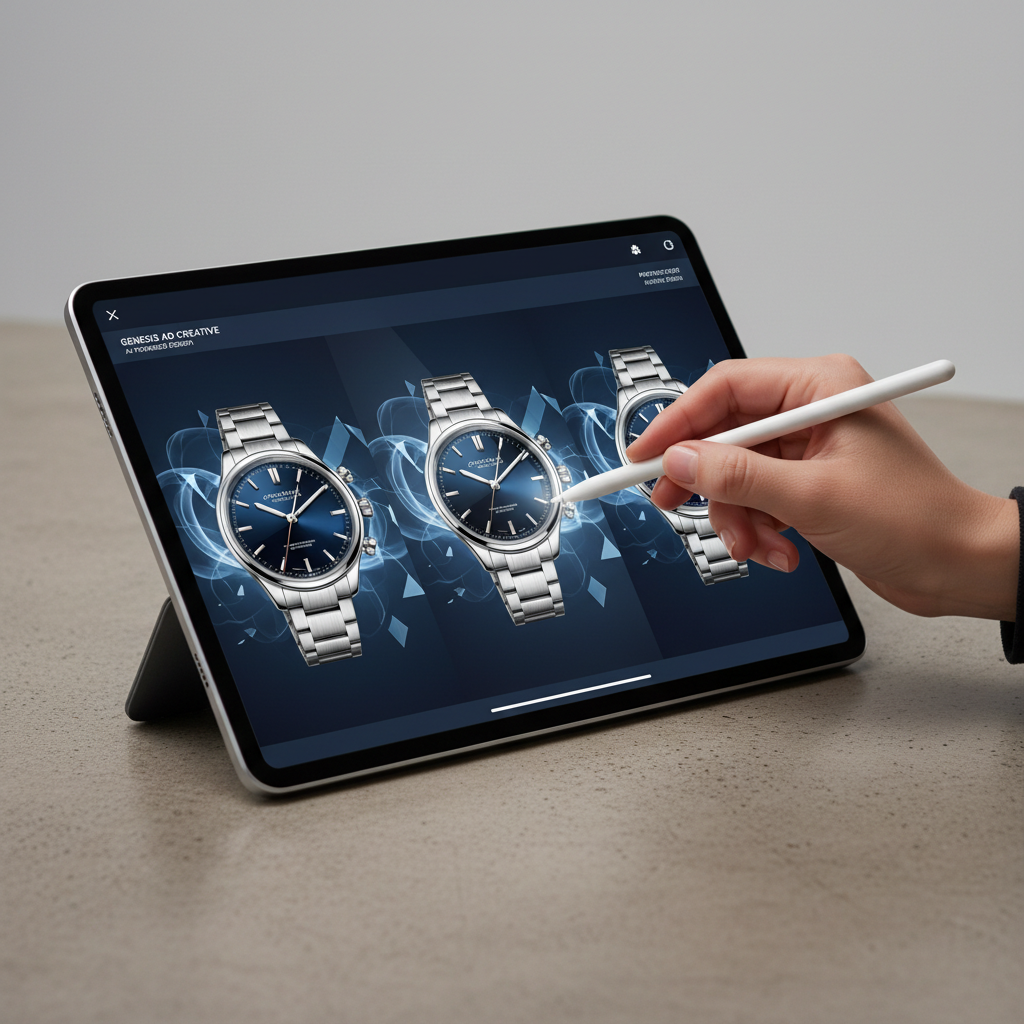 What PixVerse Actually Shipped (and Why It Matters)
PixVerse didn’t just bolt on “another model.” They’ve been integrating aggressively—adding options like Sora 2/Pro, Veo 3.1 Standard/Fast, Seedance 2.0, and others throughout February. Nano Banana 2 fits the larger play: make PixVerse the place where creators choose the best model for each step of production.
With Nano Banana 2 now inside PixVerse, the value shows up in three practical areas:
- Speed and iteration: Flash-tier models are built for throughput. Faster generations mean more experiments, more variations, and more chances to land the exact frame you need.
- Precision editing and subject consistency: PixVerse is pitching “perfect subject consistency,” which is what ad teams, filmmakers, and designers need when a character or product has to match across scenes.
- Access and incentives: PixVerse emphasized availability—highlighting “unlimited” use for Premium and Ultra members, plus a short promo credit giveaway that helped pull attention fast.
Phrased differently: PixVerse treats model upgrades like product features, not research milestones. If you ship content on deadlines, that difference matters.
Nano Banana 2 in Plain English: The Upgrade Is About Production Costs
Nano Banana 2 (Gemini 3.1 Flash Image) is built to make image generation faster and cheaper while keeping output quality high enough for real production work—not just showcase demos.
Several capabilities are especially relevant to day-to-day creative workflows:
- 4K output options, depending on settings and credit usage
- Multiple reference images (roughly 9+ inputs) to improve identity and style continuity
- Improved text rendering, which matters more than most people admit (packaging, titles, storefront signage, UI mockups)
- Better aspect ratio flexibility, from square to widescreen
- Grounding support through Google’s ecosystem in certain implementations, useful when teams need more factual alignment than “close enough” outputs
Google’s pricing messaging around Nano Banana 2 points to what the real competition has become: not “can AI generate?” but “can it generate quickly and cheaply enough to become standard operating procedure?”
Why an Image Model Can Still Make Video Pipelines Faster
The hype cycle often misses the real bottlenecks. Video models aren’t the only thing that slows teams down.
Even with strong text-to-video tools, creators still get stuck on:
- character drift between shots
- product details changing frame-to-frame
- inconsistent wardrobe, logos, typography, or backgrounds
- endless “close but not quite” iterations before adding motion
That’s why Nano Banana 2 matters inside PixVerse. If you can lock character design, nail keyframes, and make precise edits quickly, the handoff into PixVerse’s video tools becomes smoother—and the final result looks deliberate instead of lucky.
So when coverage frames this as “Nano Banana 2 makes PixVerse video 40% faster,” a more accurate version is:
Nano Banana 2 cleans up the inputs—more consistency, fewer wasted generations, fewer revisions, less rework. That’s where the speed gain actually comes from.
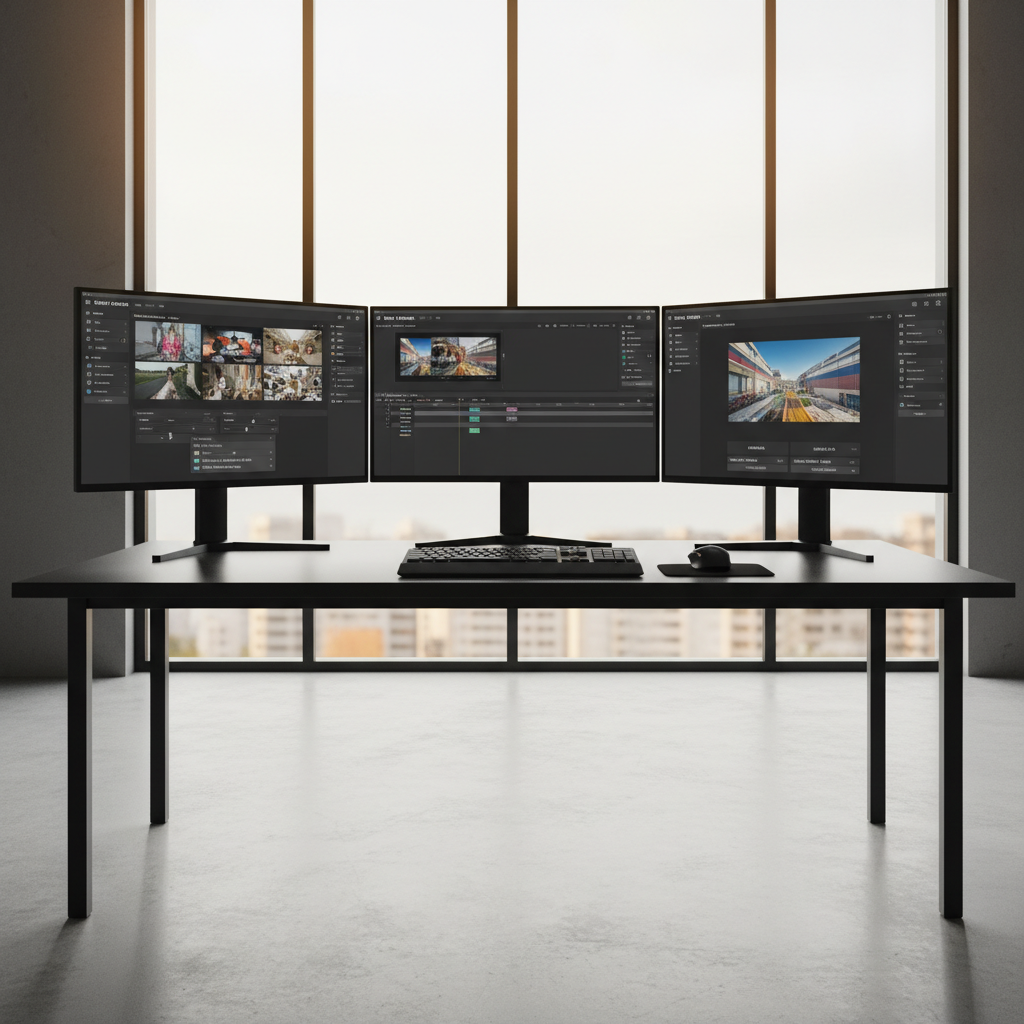 PixVerse’s Bigger Play: The Model Zoo Becomes the Product
PixVerse is moving past the single-model era. It’s turning into a full-stack creative platform where:
- PixVerse’s own real-time system (like PixVerse-R1) can sit alongside external best-in-class models
- creators choose the right engine per task (image, video, editing, upscaling, multi-shot)
- agencies and teams can standardize workflows instead of jumping between apps
This strategy has fuel behind it. PixVerse’s parent company, AISphere, has raised major funding rounds and appears to be using that capital to expand globally and integrate quickly. In a market expected to grow rapidly over the next few years, the winners won’t just be the labs with the best benchmarks—they’ll be the platforms that remove friction.
What I’d Do With This Update (If I’m Building Ads or Content at Scale)
If you run performance creative or high-volume content production, here’s a practical way to use Nano Banana 2 inside PixVerse:
- Generate consistent product/character reference packs (multiple angles, lighting setups, wardrobe variants)
- Use precision edits for brand-critical details (logos, text, packaging, UI labels)
- Create keyframe-style images for each scene beat
- Feed those into image-to-video workflows for motion, transitions, and multi-shot continuity
- A/B test variations quickly because iteration costs drop
That’s the real advantage: lower iteration cost, higher creative throughput, and consistency strong enough that the output doesn’t feel like “AI roulette.”
Conclusion: Speed Wins—But Only If Your Workflow Can Keep Up
PixVerse integrating Nano Banana 2 on Day 0 is a signal that the edge in AI content isn’t just raw quality anymore. It’s how fast you can iterate and how reliably you can keep assets consistent across a campaign or storyline. If you’re serious about shipping creatives that convert—not just experimenting—you need a workflow that connects generation to performance feedback. For a pipeline built around iteration speed and ROI, ROAS Suite is a practical place to start when you want creative output tied directly to results.