OpenClaw 3.11 AI Update Introduces 1M Token Context and Free AI Agents
I’ve been watching the AI agent space move quickly for a while, and OpenClaw 3.11 feels like one of those releases that actually shifts the conversation. This is more than a routine version bump with a few interface changes and backend tweaks. It’s a meaningful step forward for anyone building, running, or scaling AI agents without taking on heavy costs or setup headaches.
With version 3.11, OpenClaw introduced free AI agent models with massive 1 million token context windows, better local-first deployment through Ollama, multimodal memory upgrades, and important security hardening. For developers, operators, marketers, and solo founders, that combination stands out.
 Why OpenClaw 3.11 Matters
OpenClaw has already built a strong reputation as an open-source, self-hosted AI agent platform that connects messaging apps, models, workflows, and automation in one system. Its rise has been fast, evolving from its earlier Clawdbot identity into one of the most talked-about open-source AI projects around.
What makes version 3.11 different is how directly it goes after the two biggest barriers in agentic AI:
- cost
- setup friction
That’s why the update is getting so much attention. Free models with huge context capacity lower the cost of experimentation right away, while the new Ollama onboarding flow makes local or hybrid deployment much easier to approach.
Put simply, OpenClaw 3.11 makes advanced AI agents cheaper and easier to run.
The Headline Feature: 1M Token Context
The biggest headline is the integration of Hunter Alpha and Healer Alpha through OpenRouter. These models reportedly offer around 1 million tokens of context, which is a major jump in practical working memory for agent workflows.
That changes what AI agents can realistically handle in a single session.
Instead of aggressively chunking documents, compressing inputs, and constantly working around prompt limits, users can load much larger knowledge bases into the system. Entire books, large documentation libraries, long transcripts, full courses, or sprawling business records become far easier to process within one working context.
That matters because context size isn’t just a flashy spec. It has a direct effect on workflow quality. Larger context means:
- better continuity across long tasks
- less information loss between steps
- fewer manual workarounds
- more reliable multi-step reasoning
- stronger research and analysis performance
For teams building AI-driven operations, that’s a real upgrade, not just an impressive number on a product page.
Free AI Agents Shift the Economics
The other major story is that these new model options are free, at least in the current OpenRouter rollout. That may not last forever, but even temporary access can change adoption patterns.
For many users, the idea of running an AI workforce runs into the same problem: ongoing API costs. OpenClaw 3.11 lowers that barrier in a meaningful way. If users can combine free models with local or hybrid deployment, they can test multi-agent workflows at a fraction of the usual cost.
That opens up new possibilities for:
- solo founders building one-person AI businesses
- agencies automating client delivery
- developers prototyping multi-agent systems
- marketers scaling research and content operations
- operations teams testing internal assistants
That’s why reactions to this release have been so strong. It isn’t only about new features. It’s about making agent systems feel financially realistic for far more people.
Ollama Integration Makes Local AI More Realistic
One of the smartest parts of the 3.11 update is the first-class Ollama onboarding wizard. This is the feature that makes the release feel practical, not just ambitious.
Running models locally has always sounded appealing: better privacy, less reliance on external APIs, and more control. The problem is that local AI setups often become messy fast, especially for less technical users.
OpenClaw’s improved Ollama integration helps fix that. It gives users a more guided path into local or hybrid operation, including hardware-aware setup decisions. That matters because local-first AI becomes much more appealing when it no longer feels like a weekend engineering project.
The benefits are clear:
- stronger privacy controls
- lower long-term operating costs
- reduced reliance on cloud providers
- greater flexibility in model selection
- easier experimentation with hybrid workflows
This also fits a larger market trend. AI infrastructure is slowly moving away from total cloud dependence toward local-first or hybrid setups, especially for businesses that care about margin, speed, and control over data.
Multimodal Memory Is a Quietly Powerful Upgrade
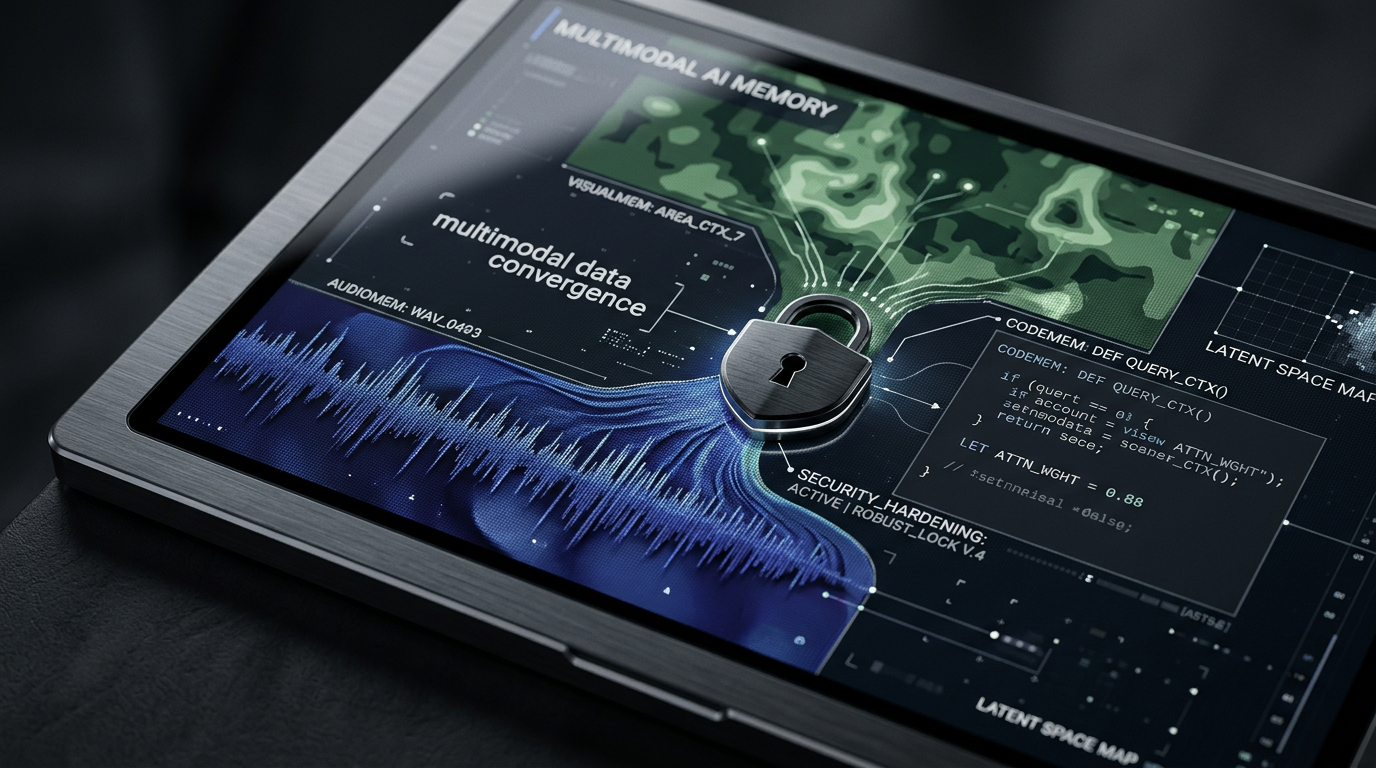
Another feature that deserves more attention is multimodal memory. OpenClaw 3.11 expands memory capabilities for images and audio using Gemini embeddings, which means the platform is getting better at remembering and retrieving more than just text.
It may sound like a secondary enhancement, but the long-term implications are significant.
AI agents become far more useful when they can work across formats instead of staying confined to text chat. Businesses don’t operate on written notes alone. They deal with screenshots, recordings, voice messages, product images, documents, charts, and mixed media.
With multimodal memory, OpenClaw moves closer to becoming a real operating layer for digital work rather than just another text-based assistant. That opens the door to richer use cases such as:
- visual analysis workflows
- audio note recall
- media-enhanced research
- customer support context tracking
- knowledge systems that span multiple file types
For anyone building serious automation, this kind of infrastructure improvement tends to compound over time.
 Security Improvements Make the Release More Credible
One of the most important details in this update is also one of the least flashy: security fixes.
Version 3.11 included a critical patch for WebSocket origin validation, and the releases immediately after it added more security hardening. That signals maturity. Open-source AI tools often get attention for rapid innovation, but production use depends on whether they can also protect users and systems.
This is what separates experimental tooling from infrastructure teams can build around. If OpenClaw wants to become a true AI operating system for teams, agencies, and enterprises, security has to be part of the foundation.
The fact that security improvements arrived alongside major feature expansion makes this release more credible as a platform milestone.
Why the Market Is Paying Attention
The momentum around OpenClaw didn’t appear by accident. The project has already seen strong GitHub growth, a rapidly expanding contributor base, and rising visibility among creators and operators across the AI ecosystem.
What 3.11 did was turn curiosity into urgency.
It gave the market a simple, easy-to-grasp story:
- massive context
- free agents
- easier local setup
- stronger multimodal capability
- better security
That’s a compelling mix. It speaks to technical builders and business-minded users at the same time. It also lines up with the broader push toward leaner, smarter, and more autonomous operations.
If this trajectory continues, OpenClaw won’t be viewed as just another open-source AI project. It will be taken more seriously as an AI OS layer for modern work.
What I Think Happens Next
OpenClaw 3.11 may end up being remembered as the release that made agentic AI feel accessible to a much wider audience. It lowered practical barriers and made sophisticated workflows feel achievable for smaller teams and independent builders.
The next phase depends on a few things:
- whether these free model options remain available or change over time
- how stable large-context workflows prove to be in production
- how well OpenClaw continues improving orchestration and security
- whether local-first deployments become easier for mainstream users
- how quickly businesses turn experimentation into dependable systems
Still, the direction is pretty clear. Small teams are getting closer to deploying capable AI agents across research, content, operations, support, and internal knowledge work without enterprise-sized budgets.
That isn’t a minor change. It’s a structural one.
FAQ
What is the biggest feature in OpenClaw 3.11?
The standout feature is access to AI models with around 1 million tokens of context through OpenRouter, giving agents far more working memory for complex tasks.
Are the new OpenClaw AI agent models free?
They are currently available for free in the present OpenRouter rollout, though that could change later.
Why does a 1M token context window matter?
It allows agents to work with much larger amounts of information in a single session, reducing the need for aggressive chunking and helping preserve continuity across long workflows.
What does the Ollama integration improve?
It makes local or hybrid AI deployment easier to set up, with a more guided onboarding experience and hardware-aware configuration decisions.
What is multimodal memory in OpenClaw 3.11?
It’s an expanded memory system for images and audio, powered by Gemini embeddings, helping agents retrieve and work with more than just text-based information.
Were there security improvements in this release?
Yes. Version 3.11 included a critical WebSocket origin validation patch, followed by additional security hardening in subsequent releases.
Conclusion
OpenClaw 3.11 is one of the more important recent updates in open-source AI because it brings together scale, accessibility, and practical utility in a way that matters. The 1M token context window is impressive, but the bigger story is what it enables: cheaper experimentation, more capable agents, easier local deployment, and stronger foundations for real-world automation. And if you want to turn that kind of AI momentum into measurable marketing performance, it helps to use tools built around efficiency and return. ROAS Suite is a strong option for teams looking to connect AI-powered execution with real growth outcomes.