OpenAI Plans to Integrate Sora AI Video Generator into ChatGPT
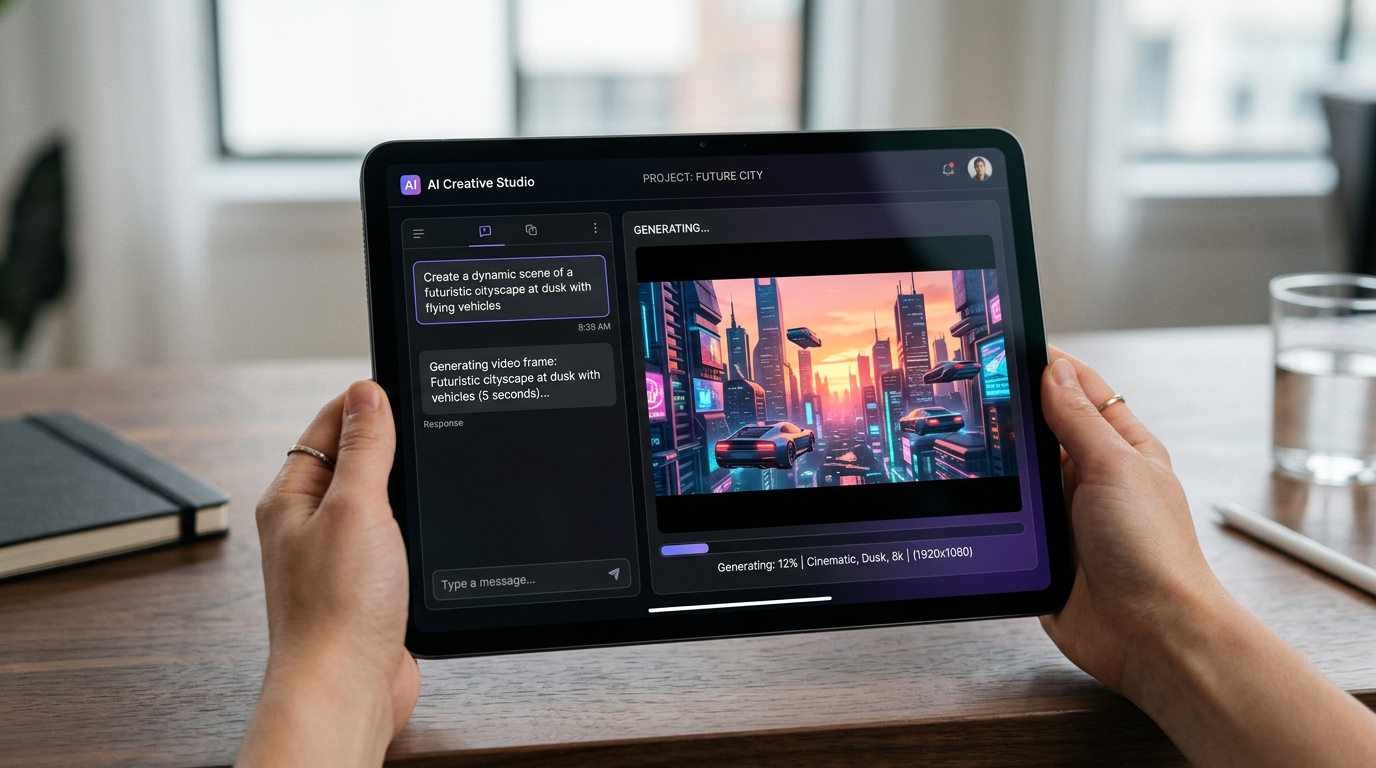
OpenAI’s latest reported move could mark a major turning point for AI-powered content creation: bringing its Sora video generator directly into ChatGPT.
If that happens soon, as reports suggest, it would be more than a routine product update. It would signal where AI is heading next—away from disconnected creative tools and toward a single multimodal workspace where text, images, and video come together in one conversation.
 Why This Matters
Sora has already earned a reputation as one of the most compelling AI video models on the market. When OpenAI first previewed it in early 2024, the response was immediate. The demos showed unusually realistic motion, cinematic scenes, and stronger physical coherence than most people expected from generative video at the time.
Since then, Sora has moved beyond the hype of a standalone tool and become a more strategic product. OpenAI released it to users, improved realism, strengthened multi-shot consistency, expanded mobile access, and kept pushing it toward broader adoption. Now, recent reporting suggests the company wants to bring that capability into ChatGPT itself.
That makes a lot of sense.
ChatGPT already has the scale, user base, and daily engagement that a separate Sora app may struggle to maintain on its own. If OpenAI wants AI video generation to become a habit rather than a novelty, ChatGPT is the obvious place to do it.
From Standalone Tool to Built-In Creation Engine
The timeline is revealing.
Sora started as a breakthrough text-to-video model, then expanded through public access and later through Sora 2, which added better physics, stronger controls, sound and dialogue syncing, and character insertion tools. OpenAI has clearly treated it as a serious creative platform.
But standalone apps run into a familiar problem: attention fades. Early excitement doesn’t always last, especially when usage caps, credits, or generation limits slow momentum. ChatGPT, on the other hand, already sits inside millions of daily workflows.
That’s why this reported integration feels less like a surprise and more like the next logical step. OpenAI appears to be pulling its best creative capabilities into its flagship interface. We saw part of that strategy with image generation. Video looks like the next layer.
What ChatGPT Could Become
If Sora arrives natively inside ChatGPT, the platform becomes far more than a chatbot.
It starts to look like a true multimedia co-creator.
A user could brainstorm a campaign concept, generate ad copy, create images, request a product demo video, revise scenes, adjust tone, add narration, and keep refining the creative direction without leaving the chat window. That kind of workflow compression matters—especially for marketers, creators, e-commerce brands, and in-house teams trying to move faster with fewer tools.
The real value isn’t just video generation. It’s video generation in context.
The AI already understands the prompt history, the target audience, the campaign goal, the visual direction, and the messaging strategy. Instead of bouncing between separate platforms, users could move from idea to asset in one place.
The Competitive Pressure Is Real
This move also fits the broader AI race.
Google is pushing multimodal creation through Gemini and Veo. Meta is building its own generative media stack. Anthropic continues gaining attention as users compare AI assistants on usefulness, trust, and integration.
In that environment, distribution matters as much as model quality.
Even if Sora is technically impressive, OpenAI still needs the widest and easiest delivery channel possible. ChatGPT gives it exactly that. Integrating Sora would help OpenAI deepen engagement, improve retention, and strengthen ChatGPT’s position as the default front door for AI work.
Strategically, this is about more than video. It’s about turning ChatGPT into the operating system for creative productivity.
 The Opportunities for Marketers and Brands
Marketers should be paying close attention.
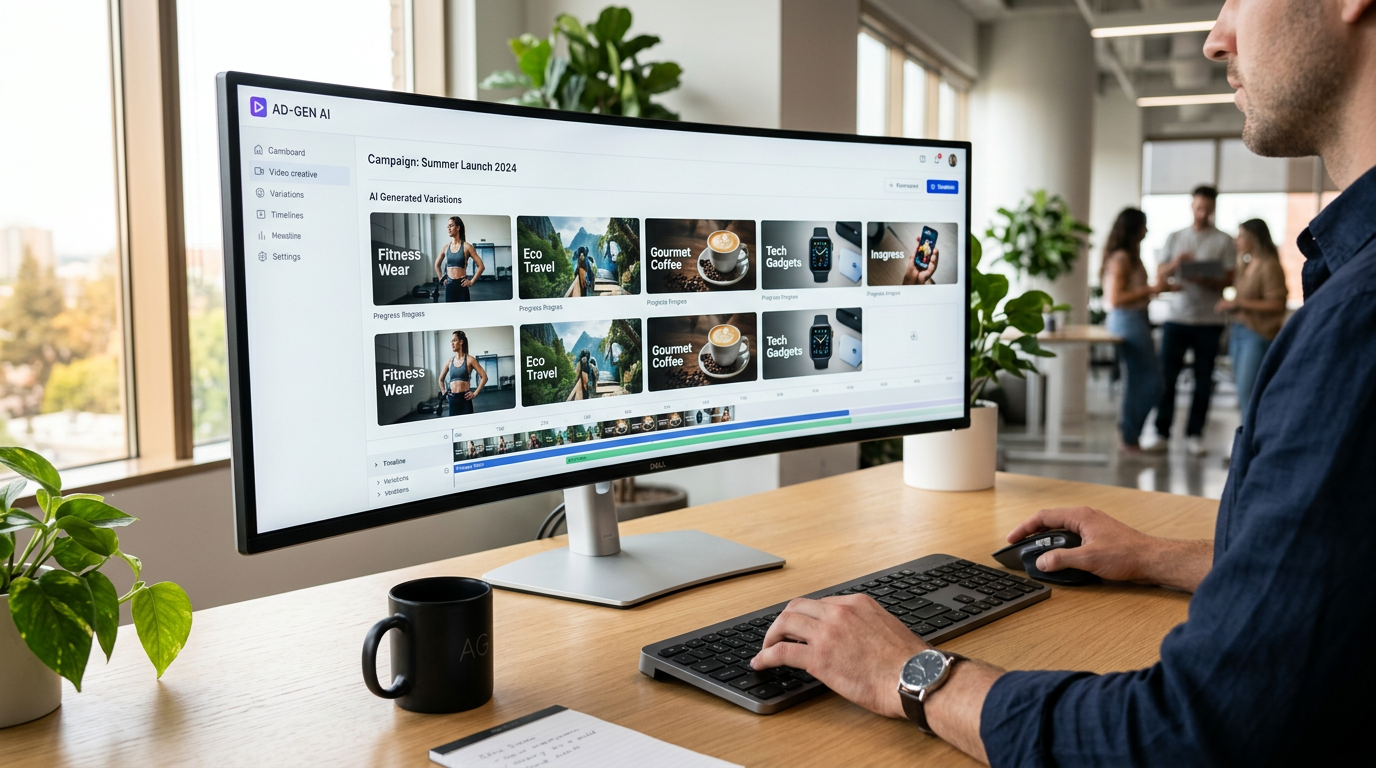
If Sora becomes available directly inside ChatGPT, teams could dramatically speed up creative production. Product explainers, social media clips, concept videos, ad variations, and storyboards could all become easier to generate, test, and refine at scale.
That creates clear advantages:
- faster campaign ideation
- cheaper creative experimentation
- more personalized content
- quicker turnaround for paid media assets
- easier testing across channels
For performance marketers, this could be especially valuable. Video is often the most expensive and time-consuming format to produce, yet it remains one of the most effective. If AI lowers that barrier, the volume and speed of testing could rise sharply.
Of course, more output doesn’t automatically mean better results. Better tools can also create more noise. The edge will go to teams that know how to tie creative production to actual performance outcomes.
The Risks OpenAI Still Has to Manage
For all the upside, this isn’t a purely optimistic story.
Video generation is expensive—far more expensive than text and often more demanding than images. If OpenAI rolls it out broadly inside ChatGPT, infrastructure costs could climb fast. That may mean tighter limits, higher pricing tiers, or more aggressive monetization.
Then there’s safety.
As AI video moves deeper into the mainstream, pressure will increase around misinformation, copyright, likeness protection, and deepfakes. Even with watermarks and policy guardrails, abuse remains a real concern. Broader access almost always expands both creative opportunity and misuse.
That tension will shape what comes next. OpenAI wants to widen creative access, but it also has to stop the platform from becoming a machine for deceptive or low-quality content.
What Happens Next
At the time of reporting, OpenAI has not formally confirmed the move. But if the plan is real, the company will likely frame it as the natural evolution of ChatGPT into a fully multimodal platform.
That’s the bigger takeaway.
AI systems are moving beyond answering questions. They generate assets, shape campaigns, support storytelling, and take part directly in production workflows. Text came first. Images followed. Video may be the layer that pulls everything together.
For anyone in content, media, advertising, or e-commerce, this is more than a trend to watch. It’s a capability shift that could change how creative work gets done.
FAQ
Has OpenAI officially confirmed Sora integration into ChatGPT?
No. At the time of reporting, OpenAI has not formally confirmed the move.
Why would OpenAI put Sora inside ChatGPT?
Because ChatGPT already has the scale, engagement, and daily usage that can turn AI video generation into a regular workflow rather than a standalone novelty.
Who benefits most if this rollout happens?
Marketers, creators, e-commerce brands, media teams, and in-house creative departments could benefit the most by producing and testing video content faster and more cheaply.
What are the biggest risks?
The main concerns are infrastructure cost, misinformation, copyright issues, likeness misuse, and deepfake abuse.
Conclusion
OpenAI’s reported plan to bring Sora into ChatGPT looks like a strategic move with significant implications for creators and marketers. It points to a future where ideation, production, and optimization happen inside one AI-powered environment. As that future gets closer, the brands that stand out will be the ones that pair creative speed with real performance insight. If you want to connect fast-moving AI content production to measurable marketing outcomes, ROAS Suite is a smart place to start.