OpenAI GPT Image 2 / Edit Launches on Mina Labs for Marketing Creatives
Whenever an AI image model moves beyond the hype cycle and into everyday creative work, it deserves attention. That is what makes the arrival of OpenAI’s GPT Image 2 / Edit on Mina Labs worth watching. For marketers, designers, agencies, and brand teams, this is less about another model integration and more about a practical step toward faster, cleaner, and more usable visual production.
OpenAI introduced GPT Image 2 on April 21, 2026, calling it its most advanced image generation and editing model to date. Early reactions suggested it was more than a routine upgrade. Better text rendering, stronger prompt adherence, improved photorealism, more capable editing, and more flexible image composition quickly made it part of serious creative discussions. Then, on July 12, 2026, Mina Labs added those capabilities to its platform with a clear focus on marketing creatives.
 Why GPT Image 2 Stands Out
GPT Image 2 matters because it addresses several of the weaknesses that made AI-generated visuals harder to trust in production.
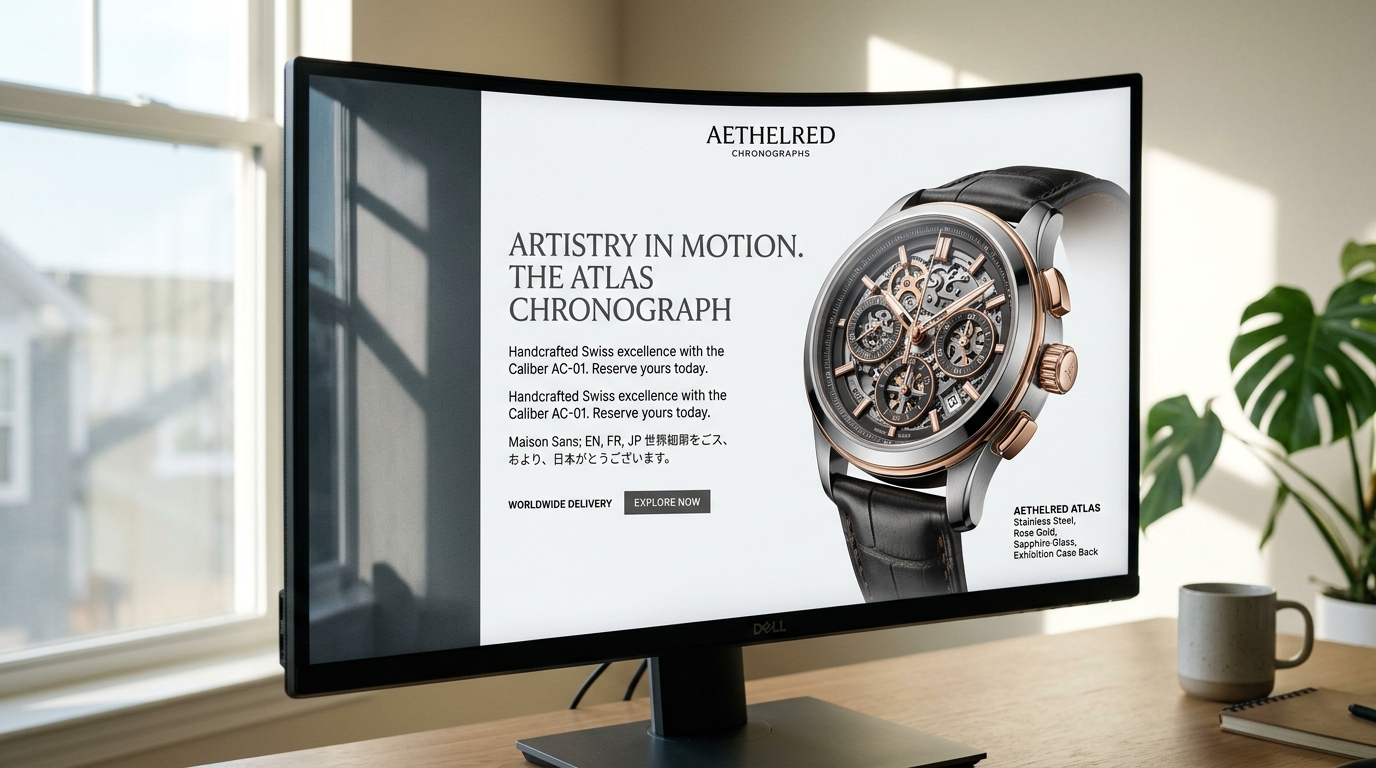
The biggest improvement is text. Anyone who has used earlier image models knows typography was often the breaking point. Product labels, ad headlines, poster designs, and social graphics could look fine at first glance, then fall apart under closer inspection. GPT Image 2 changes that by producing much more accurate text rendering, including dense and multilingual layouts. For marketing teams, that alone makes it far more useful.
The next advantage is photorealism. Product images, branded mockups, and campaign visuals need to look polished, not almost convincing. GPT Image 2 appears to produce more refined output with fewer obvious AI artifacts. In performance marketing, that matters because image quality shapes perception, click-through rates, and ultimately return on ad spend.
Then there is editing, which may be the most practical upgrade of all. Instead of generating from scratch every time, teams can revise existing assets, combine visual references, and refine product shots through prompt-based edits. That makes iteration faster and fits much better into real campaign workflows.
Why Mina Labs Is a Smart Home for the Integration
What stands out here is not just that GPT Image 2 is available, but where it is available. Mina Labs is built around a straightforward idea: creative teams do not want to bounce between disconnected tools.
The platform works as an aggregator, giving users access to multiple leading AI models in one workspace. That includes image generation, editing, and broader creative tools across logos, banners, mockups, videos, and brand assets. So when Mina Labs adds GPT Image 2 / Edit, it is not placing a powerful model on its own. It is putting it inside a workflow-oriented environment built for professional output.
That distinction matters. A strong model has value on its own, but a strong model inside an organized, marketer-friendly interface is where adoption really grows. Mina Labs seems to understand that, positioning GPT Image 2 as part of an all-in-one creative system rather than a standalone novelty.
What This Means for Marketing Creatives
For marketing creatives, the immediate use cases are easy to see.
- Product concepting: Teams can create product photography concepts without waiting for a full shoot.
- Social creative production: Marketers can generate social assets with cleaner layouts and stronger on-image copy.
- Faster campaign development: Agencies can move from brief to first draft more quickly.
- More creative testing: In-house teams can test more variations without adding production bottlenecks.
- Streamlined asset creation: Concept art, ad design, promotional graphics, and branded mockups become easier to create and revise in one cycle.
There is also a broader shift here in who can produce high-level work. As prompt-based generation and editing become more intuitive, the bottleneck moves away from technical design execution and toward creative direction. That is a meaningful change. Smaller teams, solo marketers, and lean brands can produce work that looks much closer to enterprise-level output.
 The Bigger Industry Picture
This integration fits a larger pattern. Since OpenAI launched GPT Image 2, the model has spread quickly across major platforms and partner ecosystems. That points to two things.
- OpenAI’s image stack is becoming central to modern creative software.
- The winning platforms will be the ones that make top models easiest to use inside real workflows.
Mina Labs appears to understand that well. Its quick rollout of GPT Image 2, followed by continued additions of other advanced models, reflects a clear aggregator strategy. Rather than forcing users into a single model ecosystem, it is building a creative hub where professionals can choose the right tool for the job.
That approach feels especially relevant for marketing, where speed, flexibility, and output quality all matter at the same time.
FAQ
What is GPT Image 2 / Edit?
GPT Image 2 / Edit is OpenAI’s advanced image generation and editing model, designed to improve text rendering, prompt accuracy, photorealism, composition, and prompt-based image editing.
Why is this launch important for marketers?
It gives marketing teams a more practical way to generate and edit campaign visuals, product concepts, social creatives, and branded assets with fewer workflow interruptions.
Why does Mina Labs matter in this launch?
Mina Labs provides a multi-model creative workspace, so users can access GPT Image 2 / Edit alongside other AI tools in a single workflow rather than switching between separate platforms.
What are the most useful features for creative teams?
The biggest advantages are cleaner text rendering, stronger photorealism, and the ability to edit or refine existing visuals instead of starting from scratch each time.
Conclusion
The launch of OpenAI GPT Image 2 / Edit on Mina Labs is a strong signal of where creative production is heading. AI image generation is no longer limited to experimentation or inspiration boards. It is becoming a real production asset for marketing teams that need quality visuals, fast iteration, and fewer workflow disruptions.
For brands and performance marketers trying to turn stronger creative into better business results, the bigger opportunity is pairing tools like these with systems that measure what actually works. If you want the creative side of AI to connect more directly with campaign performance, consider exploring ROAS Suite as part of a smarter, more scalable marketing workflow.