New Review Highlights Top AI Image Generators for Ad Creatives and E-commerce
The latest review of AI image generators makes one thing clear: this category has moved well beyond novelty. What once looked like a stream of impressive demos is now becoming a real production layer for advertisers, e-commerce teams, and performance marketers who need scalable visual output quickly.
That shift matters. In ad creative and online retail, speed is no longer just helpful. It is a competitive edge. The brands pulling ahead are often the ones that can test more concepts, launch more variations, and refresh visuals before creative fatigue starts hurting results. That is why this new review of the top AI image generators feels especially timely.
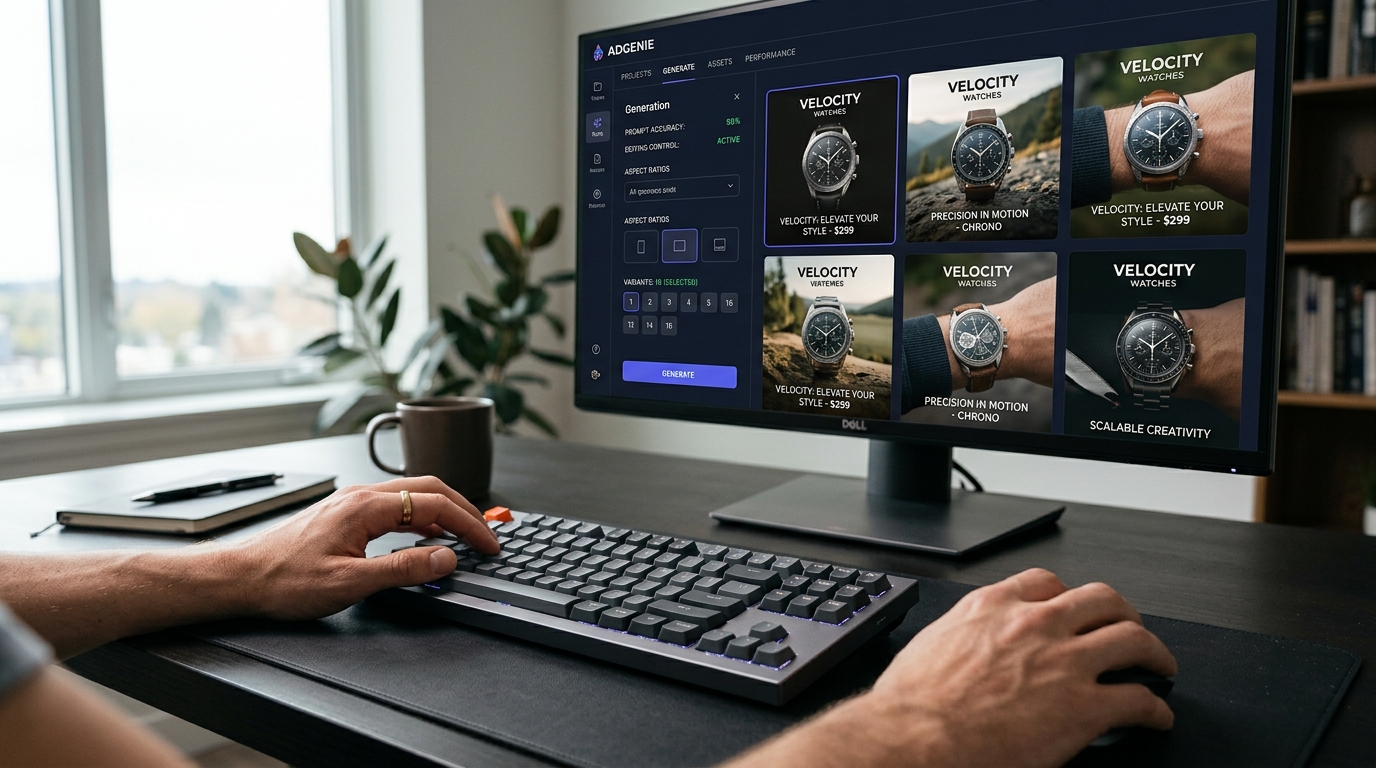 AI image generation is now about workflow, not wow factor
One of the strongest points in the review is its framing: the best AI image generator is not simply the one that creates the prettiest image. It is the one that fits into an actual business workflow.
For ad creative and e-commerce teams, that means judging tools by practical factors such as:
- prompt accuracy
- editing control
- text rendering
- commercial safety
- speed at scale
- cost per usable image
- consistency across variations
That is a smarter way to evaluate the category. The real value of AI image generation is not getting one stunning image after twenty attempts. It is getting to a strong, usable asset fast enough to improve campaign velocity.
The top tools each serve a different kind of team
One of the most useful takeaways from the review is that there is no universal winner. Different tools are emerging as the best fit for different jobs.
ChatGPT / OpenAI for practical marketing output
For general creative production, ChatGPT and OpenAI’s image capabilities are becoming increasingly useful. They seem particularly strong for marketers who need prompt adherence, iterative revisions, inpainting, and ad-ready composites.
This makes them a good fit for teams that want reliable output and controlled editing without giving up too much speed. They may not always produce the most dramatic artistic flair, but for ads and content production, reliability often matters more than spectacle.
Midjourney for high-style visuals
Midjourney still stands out for rich, cinematic, visually striking imagery. If the goal is moodboards, premium brand concepts, or artistic campaign inspiration, it remains one of the strongest options available.
The tradeoff is familiar: it can be less literal with prompts and weaker when text precision matters. For performance marketers, that means it may be better suited to concept generation than final conversion-focused assets.
Adobe Firefly for brand-safe business use
Adobe Firefly remains one of the more practical choices for businesses that prioritize licensing confidence and tight integration with existing Adobe workflows.
That matters more as AI-generated commercial content scales. Legal and brand-safety concerns are now part of the buying decision. Firefly’s advantage is not that it creates the boldest images. Its strength is that it fits into professional production environments where compliance and workflow integration matter.
Canva AI for speed and accessibility
For non-designers and fast-moving teams, Canva AI has obvious appeal. It makes social content creation and lightweight branded graphics much easier, especially for teams that need quick turnaround without deep technical expertise.
It is also one of the clearest signs that AI is becoming operational. For many businesses, the best tool is not the one with the most advanced controls. It is the one the team will actually use consistently.
Ideogram for text-heavy creative
Ideogram gets attention for a reason marketers care about: readable text inside images.
That makes it especially useful for posters, product callouts, ad mockups, and packaging concepts. It still benefits from a human design pass, but the progress in text rendering is a major reason tools like this are gaining traction in e-commerce and ad production.
FLUX and Stable Diffusion for maximum control
Open-model ecosystems like FLUX and Stable Diffusion remain attractive for teams that want deep customization, fine-tuning, and even local deployment.
The drawback is complexity. These are not the easiest options for teams that need quick onboarding. But for advanced operators, agencies, or brands with strict style-control needs, they can unlock a level of precision that closed tools do not always offer.
Leonardo for experimentation
Leonardo continues to appeal to creators who want presets, quick variations, and room to experiment. It seems better suited to exploratory creative work than tightly managed team workflows.
That is a useful reminder that experimentation still matters. Not every creative workflow begins with strict production rules. Sometimes teams need room to explore before they standardize.
Why this matters for ad creatives
The ad world runs on testing. The more variations a team can produce, the better its chances of finding a winning angle, visual hook, or conversion-driving format.
AI image generators are changing that equation by making it possible to create more assets without relying on full photoshoots or slow manual design cycles. That includes:
- multiple aspect ratios for paid social
- product lifestyle scenes
- promotional graphics
- seasonal refreshes
- landing page visuals
- concept variations for A/B testing
This matters even more in performance marketing, where creative value often compounds through testing volume. A tool that helps a team produce 50 useful variations can be far more valuable than one that produces a single beautiful image.
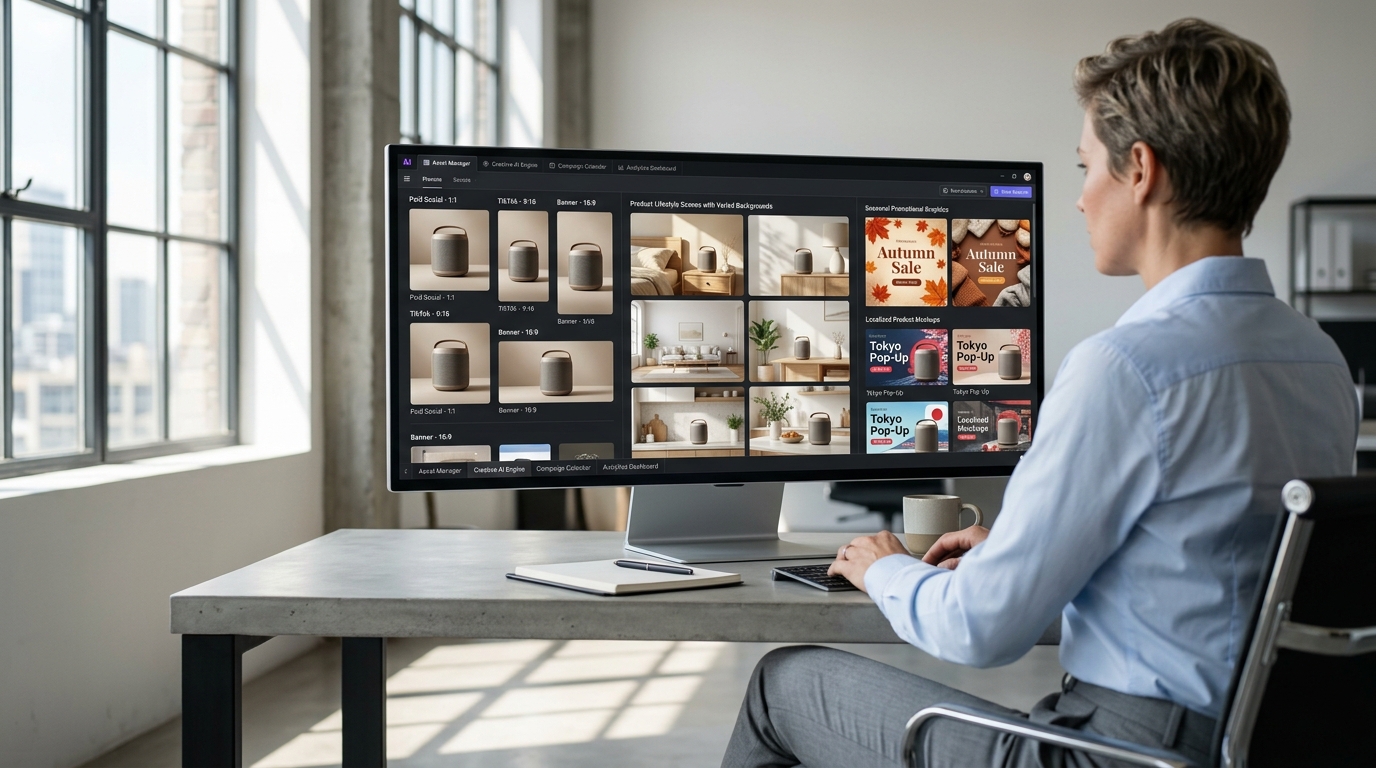 Why e-commerce brands are paying attention
For e-commerce, the implications are just as significant. Product marketers need visual assets for listings, ads, bundles, promotions, and retargeting campaigns at a pace traditional production often cannot match.
AI image tools can reduce the burden of creating:
- product mockups
- lifestyle imagery
- background replacements
- promotional banners
- packaging concepts
- localized or seasonal variants
Used well, these tools can help brands scale content output while cutting cost and turnaround time. But the review also reinforces an important point: the real cost is not just the subscription fee. It is the total effort required to prompt, refine, discard, and finalize usable assets.
That is why operational fit matters so much.
The industry is shifting toward integrated creative systems
The broader direction of the market is just as interesting. The future is not only standalone image generation. It is integrated creative production.
Brands increasingly want systems that connect image generation to ad creation, testing, and deployment. In other words, they do not just want an image tool. They want a pipeline.
That is what makes this conversation especially relevant for advertisers and online stores. The platforms that win will not just generate strong visuals. They will make visual creation part of a repeatable, scalable performance marketing workflow.
FAQ
What should marketers look for in an AI image generator?
Marketers should focus on prompt accuracy, editing control, text rendering, commercial safety, speed, consistency, and the cost per usable image. The best-looking output is not always the most useful in production.
Which AI image generator is best for ad creatives?
That depends on the job. OpenAI works well for practical marketing output, Midjourney is strong for high-style visuals, Ideogram stands out for text-heavy creative, and Canva AI is useful for fast, accessible content production.
Why are e-commerce brands adopting AI image tools?
Because they need more visual assets, faster. AI tools can help create product mockups, lifestyle scenes, promotional graphics, and seasonal variants without the time and cost of traditional production.
Are AI image generators ready for commercial use?
Many are, but the answer depends on the platform, licensing model, and workflow. Tools like Adobe Firefly are often preferred when brand safety, compliance, and integration are top priorities.
Conclusion
This review does a solid job of showing where AI image generation is heading. The leaders are no longer defined only by artistic quality. They are defined by how well they help teams produce usable, scalable, brand-appropriate assets for real campaigns and real storefronts.
In ad creative and e-commerce, operational speed and consistency matter just as much as visual quality. If the goal is not just to generate images but to turn those assets into performance-ready campaigns faster, it makes sense to look at platforms that connect creative generation directly to execution. For brands ready for that next step, ROAS Suite is worth keeping on the radar.