New Generative Engine Optimization Guide Emphasizes Topical Authority and Citations
Search is shifting fast, and traditional rankings are no longer the whole story. Viacon’s Generative Engine Optimization (GEO) guide, published June 15, 2026, makes that clear. Its message is straightforward: if brands want to stay visible in AI-powered search, keyword targeting and backlinks are no longer enough. They need topical authority, clean structure, and content strong enough to earn citations from generative engines.
That matters because more people now get direct answers from platforms like ChatGPT, Perplexity, Google Gemini, Claude, and Google AI Overviews without ever visiting a website. In that environment, ranking still matters, but being cited inside the answer may matter even more.
 GEO Is Not Replacing SEO—It’s Expanding It
One of the strongest points in Viacon’s guide is that GEO is an extension of SEO, not a substitute for it. That distinction matters. Traditional SEO still drives discovery, traffic, and domain authority. GEO adds a second goal: making content easy for AI systems to understand, trust, and reference.
That changes what marketers are optimizing for. It’s no longer just about blue-link rankings. Now the question is whether your content is likely to show up in a synthesized answer. Viacon describes this as a move from link-based visibility to citation-based visibility, which feels like a fair description of where search is headed.
Why Topical Authority Is Becoming the Core Signal
The guide puts heavy emphasis on topical authority, and for good reason. This is no longer about publishing volume for the sake of volume. It’s about showing deep, consistent, credible expertise in a subject area.
Generative engines build answers from sources they see as reliable and contextually relevant. That makes thin, keyword-matched articles far less useful than in-depth resources that fully satisfy user intent. Viacon connects this to broader changes across search, including Google’s 2025 updates that rewarded more complete, user-focused content.
In practical terms, topical authority comes from a mix of factors:
- covering a subject in meaningful depth
- organizing content clearly around related subtopics
- keeping information fresh and accurate
- reinforcing expertise through strong E-E-A-T signals
- aligning brand information consistently across the web
This marks a real shift away from isolated content production and toward building a full knowledge ecosystem. Brands need clusters of trustworthy information, not just standalone pages.
Citations Are the New Visibility Layer
The second major takeaway is the growing importance of citations. In generative search, a citation is more than a mention. It’s a signal of trust. When an AI platform uses your content as a source, your brand becomes part of the answer itself.
That’s why the guide puts so much weight on credible references, factual support, and formatting that makes information easy to extract. AI systems tend to favor material that is structured, specific, and verifiable. The clearer your page is about what it knows and where that knowledge comes from, the more citable it becomes.
That lines up with what much of the industry has been seeing through 2025 and 2026. GEO is increasingly about producing source-worthy content, not just rank-worthy content.
Structure, Semantics, and Entity Signals Matter More Than Ever
Another reason this guide lands well is that it doesn’t reduce GEO to a writing trend. It ties content quality to technical clarity and entity authority.
The recommendations are familiar, but they carry more weight now:
- use logical headings and subheadings
- include bullet points, summaries, and FAQs
- implement schema markup
- keep HTML clean and readable
- strengthen entity signals across platforms like LinkedIn, Crunchbase, and Wikidata
- ensure brand details are consistent everywhere they appear
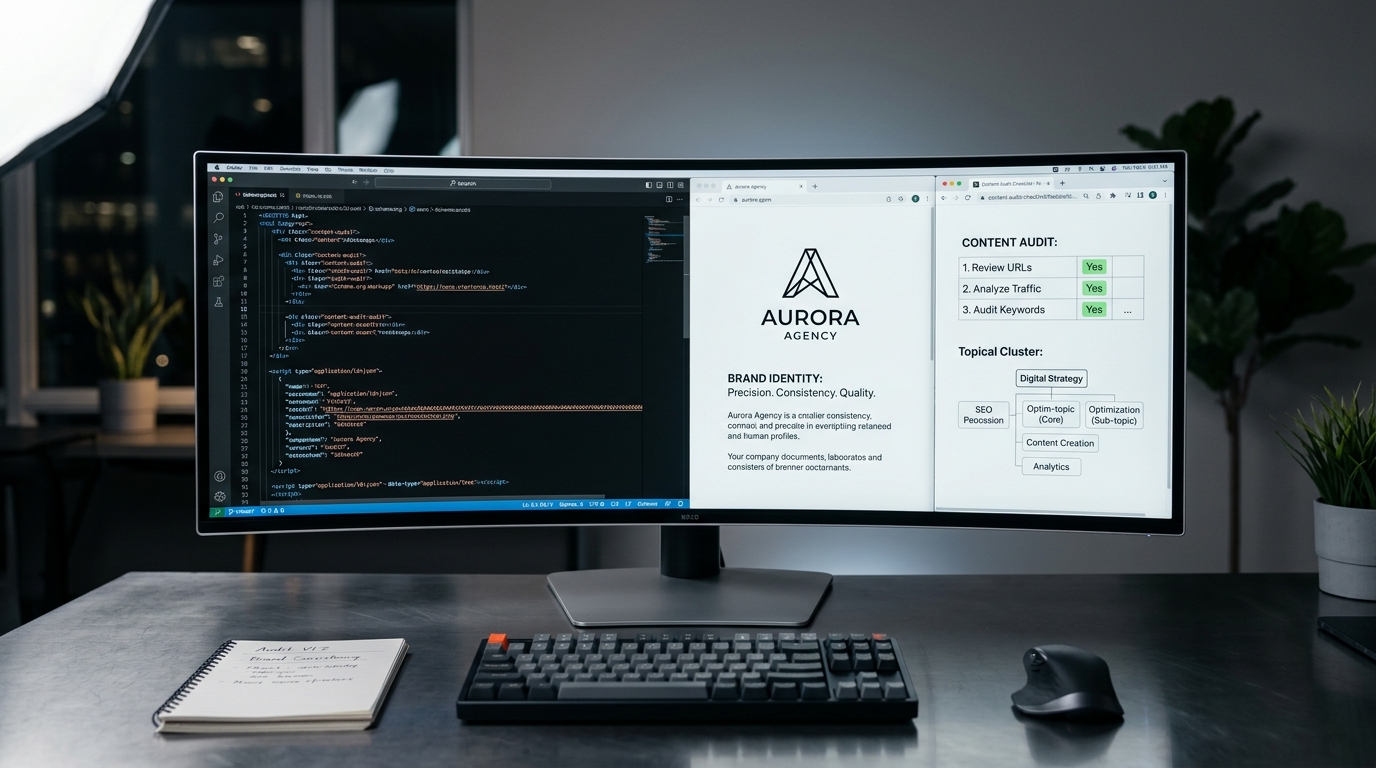
This is where some companies will adapt quickly and others will lag. AI systems are not simply scanning pages for keywords. They are parsing relationships, identifying entities, and judging whether a brand appears credible across multiple touchpoints.
 The Broader Industry Shift Is Already Underway
Viacon’s guide didn’t appear out of nowhere. It arrives in the middle of a larger GEO movement that has been building since late 2025. Agencies, consultants, and technical SEO specialists have all been publishing frameworks for optimizing content for AI-generated search results. Google’s rollout of AI Overviews and its growing focus on intent satisfaction only sped things up.
What makes this guide notable is how directly it treats GEO as a strategic priority for 2026. That feels accurate. This is no longer an experimental discipline for early adopters. It’s becoming part of the standard search and content playbook.
The takeaway for marketers is simple: search success is now measured by more than traffic and rankings. Visibility inside AI-generated answers, citation frequency, and prompt-driven discovery are becoming meaningful performance indicators too.
What Brands Should Do Next
If this guide were translated into an action plan, five priorities stand out:
- Audit existing content for depth, relevance, and citation value.
- Build topical clusters instead of publishing disconnected articles.
- Add references, supporting evidence, and clearer source attribution where appropriate.
- Improve structure with schema, FAQs, summaries, and modular formatting.
- Strengthen brand entity consistency across major digital profiles and publications.
Brands that move early will have an edge because generative visibility can compound. Once a company becomes a recognized source in a topic area, it has a stronger chance of being cited again.
FAQ
What is Generative Engine Optimization?
Generative Engine Optimization, or GEO, is the practice of making content easier for AI-driven search systems to understand, trust, and cite in generated answers.
Is GEO replacing SEO?
No. GEO builds on SEO rather than replacing it. SEO still matters for discovery and rankings, while GEO focuses on visibility inside AI-generated responses.
Why are citations so important in generative search?
Citations make your brand part of the answer. In AI search environments, that kind of visibility can be as valuable as, or even more valuable than, a traditional click-through.
What helps content become more citable?
Depth, accuracy, clear structure, factual support, schema markup, and consistent entity signals all increase the chances that AI systems will use and reference your content.
Conclusion
The biggest lesson from Viacon’s new GEO guide is clear: the future of search will favor brands that can demonstrate expertise, not just target relevance. Topical authority, trustworthy citations, and content built for AI interpretation are quickly becoming the foundation of modern visibility. If you want a smarter way to create content that supports that shift, consider AIuthority as part of your GEO strategy.