Neil Patel Team Hosts Webinar on AEO/GEO vs. Traditional SEO
I’ve watched search evolve for years, and the latest webinar from Neil Patel and the NP Digital team underscored a simple truth: traditional SEO is no longer the whole playbook.
On June 2, 2026, Neil Patel joined Luke Olirri and Rob Tendulla from NP Digital for a live session titled “AEO/GEO vs. SEO: What’s Different, What Overlaps, and What Actually Works.” The conversation focused on a shift many marketers are already seeing firsthand: search behavior is splintering, AI platforms are changing how people discover information, and brands can’t count on Google rankings alone to stay visible.
 Why This Webinar Matters Right Now
The timing was spot on. AI-generated answers, Google AI Overviews, ChatGPT, Gemini, Perplexity, and even social platforms are changing how people find information. Instead of clicking through a list of links, users are increasingly getting what they need straight from an answer engine or generative AI interface.
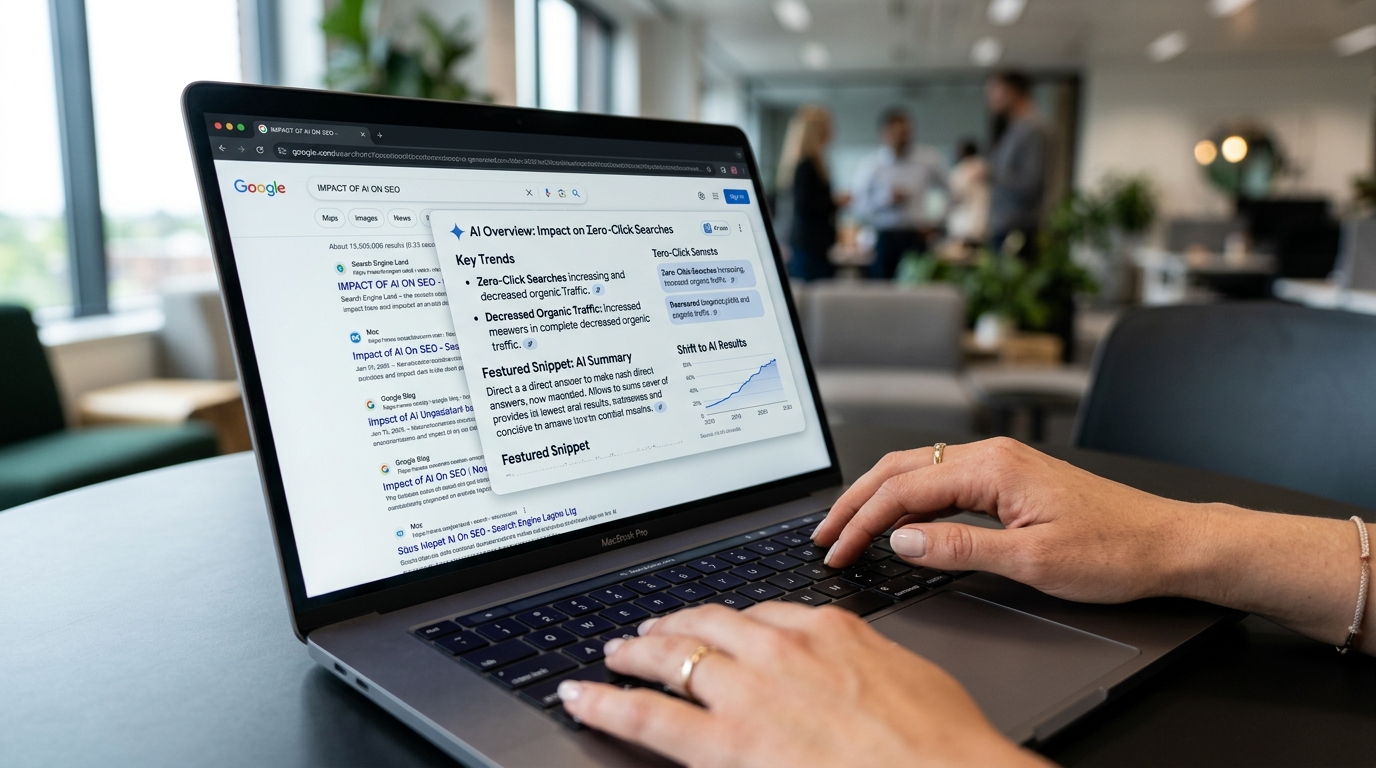
That shift has real consequences. The webinar highlighted several notable trends: a growing share of searches now end without a click, AI Overviews are cutting into organic click-through rates, and analysts expect traditional organic traffic to keep declining over the next few years. For brands still judging success only by rankings and sessions, that should be a wake-up call.
What stood out was that NP Digital didn’t pitch this as “SEO is dead.” Their point was more grounded: SEO still matters, but the definition of winning has changed.
AEO, GEO, and SEO: What’s the Difference?
One of the strongest parts of the webinar was how clearly the team separated these ideas.
Traditional SEO is still about improving visibility in search engines through content relevance, technical performance, authority, internal linking, and backlinks. It’s still the foundation.
AEO, or Answer Engine Optimization, is about making your content the direct answer. That includes optimizing for featured snippets, voice search, and AI systems that pull concise responses from trusted pages.
GEO, or Generative Engine Optimization, focuses on helping your brand and content become citable within AI-generated outputs. It’s not just about ranking a page; it’s about becoming a trusted source that large language models and AI search experiences reference in summaries and recommendations.
That distinction matters. SEO helps you get discovered. AEO helps you get chosen as the answer. GEO helps you get cited in AI-generated experiences.
The Rise of “Search Everywhere Optimization”
A major theme from Neil Patel’s team was the idea that SEO is expanding into something broader: what they call “Search Everywhere Optimization.”
It’s a useful frame for the current landscape. Search no longer happens only on Google. It happens across ChatGPT, Gemini, YouTube, TikTok, Reddit, LinkedIn, Instagram, podcasts, forums, and AI-assisted interfaces layered into all of them. Visibility now is less about dominating one channel and more about building authority across the many places where people ask questions and make decisions.
That changes how marketers need to think about content. A blog post written only to rank for a keyword may still help, but it may not be enough to earn AI citations or become the best direct answer. Content now needs clarity, structure, sourcing, trust signals, and real expertise behind it.
 What Brands Should Take From the Webinar
One of the most practical parts of the session was that it moved past buzzwords. AEO and GEO are often talked about like future-facing extras, but NP Digital framed them as immediate strategic priorities backed by campaign data.
Here’s the clearest takeaway for brands:
- Don’t abandon SEO foundations. Technical health, crawlability, authority, and strong content still matter.
- Structure content for answers. Clear headings, concise explanations, FAQs, and direct responses improve visibility in answer-driven experiences.
- Build citation-worthiness. Original insights, expert commentary, statistics, and transparent sourcing increase the chances of being referenced by AI systems.
- Measure more than traffic. Mentions, citations, assisted conversions, branded search lift, and revenue matter more in a zero-click environment.
- Diversify discovery channels. If your audience is researching on AI platforms, social search, and community sites, your content strategy should reflect that.
This was the broader industry shift the webinar captured: marketers are moving from ranking-centric thinking to visibility-centric thinking.
The Future Is Integrated, Not Either/Or
If there was one central message from Neil Patel’s team, it was this: this isn’t a battle between SEO and AI optimization. It’s an integration challenge.
The strongest brands won’t choose between traditional SEO, AEO, and GEO. They’ll combine all three in a single strategy. Traditional SEO creates the base. AEO improves answer visibility. GEO increases the likelihood of AI citations and recommendations. Together, they create a more durable approach to digital discovery.
That integrated mindset will matter even more as traffic patterns keep shifting. There may be fewer clicks overall, but the visitors who do arrive may be better informed, higher intent, and more likely to convert. In that environment, quality visibility matters more than vanity traffic.
FAQ
What is the main difference between SEO, AEO, and GEO?
SEO focuses on ranking in traditional search engines, AEO focuses on becoming the direct answer in answer-driven experiences, and GEO focuses on being cited in AI-generated outputs.
Does AEO replace traditional SEO?
No. Traditional SEO still provides the foundation. AEO builds on that foundation by making content easier for answer engines and AI systems to extract and present.
Why does GEO matter now?
As users turn to AI tools for research and recommendations, brands need content that can be referenced and trusted inside those generated responses.
What should brands prioritize first?
Start with strong SEO fundamentals, then improve content structure, sourcing, and authority so it can perform well across search engines, answer engines, and AI platforms.
Conclusion
This webinar felt like more than a routine industry update. It was a clear sign that search strategy has entered a new phase. Brands that adapt early will be in a stronger position to earn attention across AI platforms, search engines, and everything in between. If you’re looking for a smarter way to create authority-driven content for this landscape, AIuthority is a natural place to start.