Meta Launches Muse Image AI Generator for Instagram, WhatsApp, and Advertisers
Meta’s launch of Muse Image is one of the clearest signs yet that generative AI is moving out of standalone tools and into the platforms people already use every day. Instead of asking users to leave Instagram, open a separate design app, or rely on third-party image models, Meta is bringing AI image generation directly into Instagram Stories, WhatsApp chats, and soon its broader advertising stack.
That shift matters.
Muse Image, officially rolled out on July 7, 2026, is Meta’s first in-house image generation model from Meta Superintelligence Labs. On the surface, it looks like a creative tool: text-to-image prompts, image editing, sketch-based modifications, photo blending, room redesigns, and cleaner text rendering. Underneath that, it signals something bigger: Meta is building platform-native AI that shapes how users create, communicate, and shop across its ecosystem.
 What Muse Image Actually Does
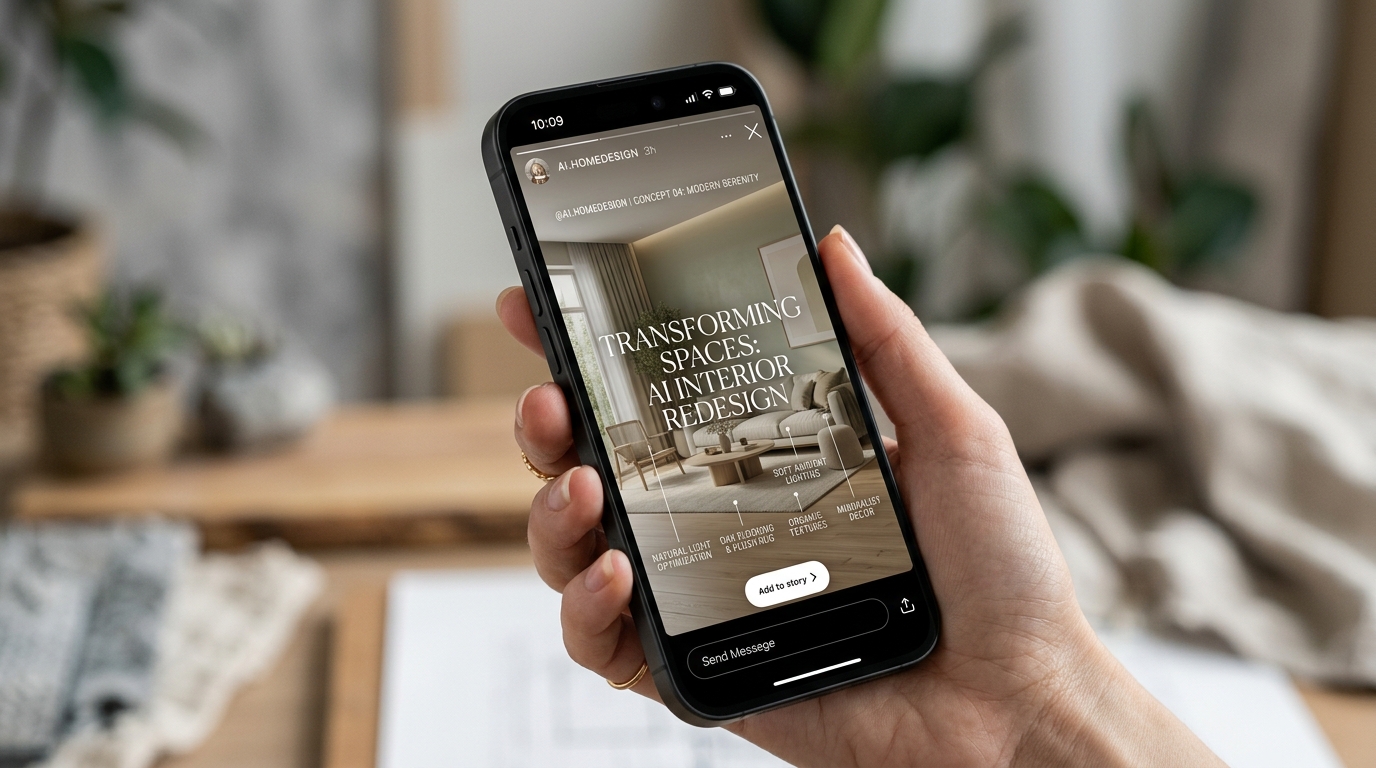
From a product standpoint, Muse Image is built to feel less like a separate AI destination and more like a built-in creative assistant. Users can generate images from prompts, edit visuals with markups, combine multiple photos into a single composition, and even use public Instagram context through @mentions to influence results.
Meta is also pushing practical use cases, not just novelty. The model can help redesign a room using real products, generate visual concepts with more accurate text, and create assets that are more usable in real campaigns. In Instagram Stories alone, Meta is adding more than 30 new AI effects powered by Muse Image, while WhatsApp is getting a limited rollout of AI image generation inside chats.
This is a meaningful step forward. The AI is no longer sitting in a separate tool. It’s in the feed, the story composer, the chat thread, and eventually the ad manager.
Why This Launch Is Strategically Important
Muse Image stands out because it’s not just another image model entering a crowded market. Meta already has something most AI competitors don’t: massive built-in distribution.
Instagram, WhatsApp, Facebook, Messenger, Meta AI, and its advertiser ecosystem give the company immediate surfaces for real-world adoption. That means Meta doesn’t have to win on model benchmarks alone. It can win by making AI the default creative layer across products billions of people already use.
This launch also reflects a deeper shift away from outside dependencies. Meta has previously relied on third-party models for some generative features, but Muse Image shows the company is serious about owning more of the stack. Combined with Muse Spark, the reasoning-focused model introduced in April 2026, Meta is building a broader agentic AI system that can plan, search, refine, and generate in more coordinated ways.
So this isn’t only about image generation. It’s part of a much larger product strategy.
The Advertising Angle Could Be Huge
For marketers, the biggest near-term impact may come from Advantage+ integrations expected in the coming weeks. Meta is positioning Muse Image as a tool for generating on-brand ad assets, hero visuals, and creative variants much faster than traditional workflows allow.
That could be a major advantage for performance teams.
The biggest AI winners in advertising likely won’t be the companies that simply generate more content. They’ll be the ones that connect content generation to measurable outcomes. If Muse Image helps brands test more creative variations inside Meta’s ad ecosystem, it could improve campaign speed, shorten iteration cycles, and potentially boost return on ad spend.
Of course, that also raises the bar for governance. More creative volume does not automatically mean better creative. Advertisers will still need strong review processes, brand safety standards, and clear rules around what source material can be used.
Even so, the upside is clear:
- Faster asset production
- Fewer creative bottlenecks
- More personalized ad development at scale
Meta’s Technical Differentiator: Context and Reasoning
One of the more interesting parts of Meta’s rollout is how Muse Image is being positioned. This is not just a basic prompt-to-image tool. Meta says the model can use search for grounding, code execution for accuracy in areas like charts or QR codes, and self-refinement to improve outputs before they’re shown to users.
That’s a different approach from earlier consumer image generators, which often looked impressive but were less dependable.
If Meta delivers on those claims consistently, Muse Image could be more useful for commercial applications than many novelty-first generators. It also fits naturally with Meta’s social context advantage. Pulling in public Instagram content through @mentions creates a level of personalized relevance that outside platforms will have a hard time matching.
From a competitive standpoint, this may be where Meta has a real edge: not just model quality, but context, placement, and workflow integration.
 The Privacy Backlash Is Real
That said, it’s impossible to talk about this launch honestly without addressing the privacy concerns.
A major flashpoint is Muse Image’s ability to use public Instagram photos through @mentions. Critics argue that the default setup places too much burden on users to opt out instead of requiring explicit opt-in. Privacy groups, creators, and industry advocates have already criticized the feature as invasive, especially when likeness, consent, and creative ownership are involved.
Meta has pointed to exclusions for private accounts and users under 18, along with opt-out controls under sharing and reuse settings. But the criticism goes beyond technical controls. It gets at a broader trust issue: should public content automatically become training or source material for generative AI systems?
That tension isn’t going away. It will follow not only Meta, but the broader AI industry.
Muse Image is a strong example of the tradeoff AI platforms now face: the more context-aware and personalized a tool becomes, the more questions it raises about consent, transparency, and user expectations.
What Comes Next
Muse Image is likely just the start. Meta has already previewed Muse Video, which is expected to bring similar capabilities to video generation with a focus on fidelity, prompt adherence, temporal consistency, and native audio. If that rollout goes well, Meta could quickly become one of the most important consumer-facing AI media platforms.
For users, that means AI-assisted creation may soon feel native across every major Meta surface. For advertisers, it points to a future where asset generation, testing, and optimization happen in a much tighter loop. For regulators and privacy advocates, it opens a new battleground around data use and digital consent.
The bigger picture is straightforward: Muse Image is impressive, strategically smart, and potentially transformative. But it also puts real pressure on Meta to prove that faster innovation does not come at the expense of trust.
FAQ
What is Meta Muse Image?
Muse Image is Meta’s first in-house AI image generation model from Meta Superintelligence Labs, designed for use across Instagram, WhatsApp, and eventually Meta’s advertising products.
Where is Muse Image available?
Meta has rolled out Muse Image in Instagram Stories with new AI effects and is also testing limited AI image generation inside WhatsApp chats. Broader ad integrations are expected soon.
How can advertisers use Muse Image?
Advertisers are expected to use Muse Image through Advantage+ integrations to create on-brand assets, hero visuals, and creative variations faster for campaign testing and optimization.
Why is Muse Image controversial?
The main controversy centers on privacy and consent, especially around using public Instagram photos through @mentions. Critics say users should have to opt in rather than opt out.
What makes Muse Image different from other AI image generators?
Meta is positioning Muse Image as more than a prompt-based image tool. Its differentiators include built-in distribution across Meta’s apps, social context from Instagram, and features like search grounding, code execution, and self-refinement.
Conclusion
Meta’s Muse Image launch is a defining move in the race to embed AI directly into the products people use most. It has real upside for creators, everyday users, and especially advertisers looking to speed up visual production and testing. Whether it succeeds long term will depend on how well Meta balances convenience with ethics, consent, and user control. For teams that want to turn faster creative output into measurable performance insights, ROAS Suite is a smart place to start.