MarketingProfs Reports GEO Surge Driving Brand-Media Partnerships
MarketingProfs captured one of the most significant shifts in digital marketing with its coverage of the recent GEO surge driving brand-media partnerships. This is not just SEO with a new label. It marks a deeper change in how brands earn visibility as AI increasingly shapes discovery.
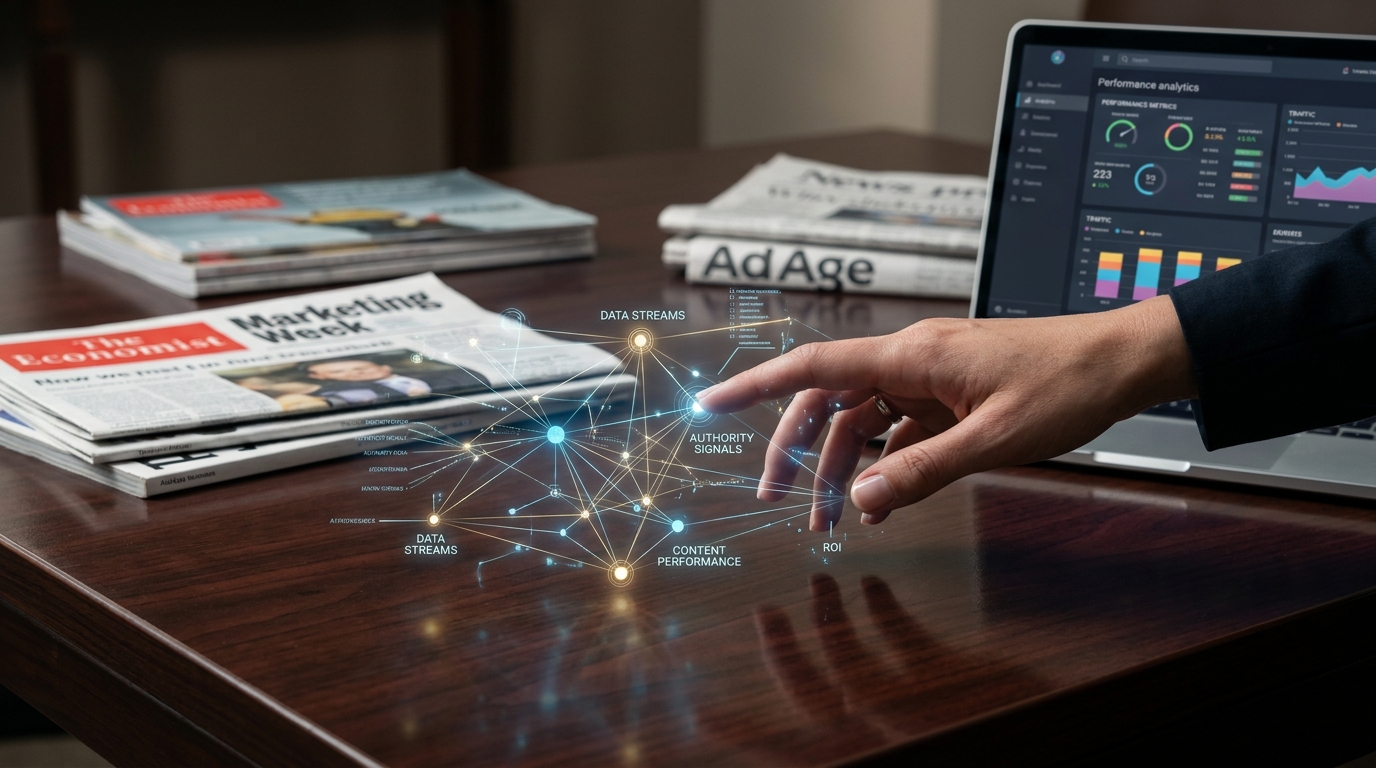
Generative Engine Optimization (GEO) is becoming essential because AI search tools work differently from traditional search engines. Rather than relying mainly on owned content, backlinks, and keyword targeting, AI systems are more likely to surface brands through trusted third-party mentions, publisher citations, and broader authority signals. The loudest brand does not automatically win anymore. The advantage goes to the brand others mention consistently and credibly.
That helps explain why companies are treating media partnerships and even media acquisitions as strategic growth infrastructure. HubSpot is one of the clearest examples. After earlier media moves involving The Hustle and Mindstream, it expanded again in 2026 with acquisitions such as Starter Story and Futurepedia. These were not random content purchases. They were part of a deliberate effort to own trusted audience ecosystems that shape discovery, education, and pipeline. As HubSpot leadership has suggested, impressions now do double duty: they build brand awareness and create direct revenue opportunities.
MarketingProfs framed the trend well: as AI search and chat interfaces reshape how buyers find information, marketers are shifting investment toward earned media, partnerships, and content ecosystems. The logic is straightforward. AI engines appear to give more weight to external validation than to self-published marketing pages. Industry research supports that view, with earned media distribution showing major gains in AI brand citations.
This also helps explain the rapid growth of companies like Stacker. Their model gives brands a way to expand visibility across third-party publisher networks without the cost, complexity, and reputational risk of buying a media company outright. When a brand increases the number of credible places where it is mentioned, it improves the odds that AI engines will recognize, cite, and recommend it.
 What This Shift Means for Marketers
The implications are hard to miss. Marketing is moving from keyword ownership to authority ownership. SaaS companies are becoming publishers. Media companies are becoming distribution channels inside broader revenue strategy. And marketers are being pushed to think beyond rankings and traffic toward citation frequency, entity recognition, and AI presence.
- Owned content alone is no longer enough
- Third-party mentions carry more weight in AI discovery
- Media partnerships are becoming part of core growth strategy
- Authority and trust now influence visibility as much as technical optimization
The Trust Tension
There is a clear tension in all of this. As more brands buy or partner with media properties, questions around editorial independence and trust become more pressing. That skepticism is warranted. If GEO turns into a race to manufacture authority without protecting credibility, the value of these ecosystems will weaken quickly.
Trust remains the scarce asset. In an AI-first environment, it may be the most valuable one.
 What Comes Next
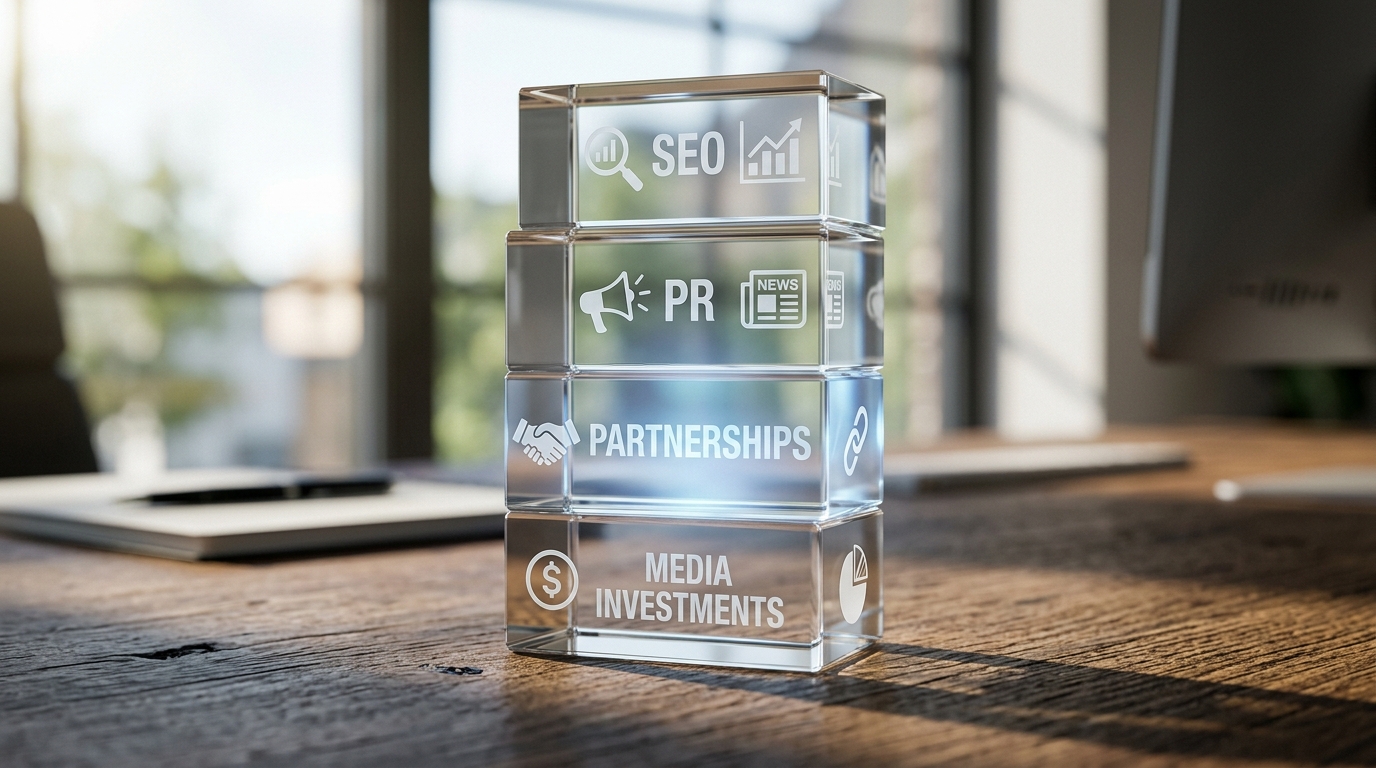
The next phase of content strategy will likely be defined by how brands combine SEO, digital PR, partnerships, and media investments into a single visibility strategy. The winners will not just optimize pages. They will build ecosystems of mention, reputation, and relevance across the wider web.
For marketers, the takeaway is simple: if AI engines are becoming the front door to discovery, third-party authority is no longer optional. It is now part of the core growth stack. And if you want a smarter way to adapt your content and authority strategy for this environment, AIuthority is a natural place to start.
FAQ
What is GEO?
GEO, or Generative Engine Optimization, is the practice of improving how brands appear in AI-driven search and chat platforms.
Why are media partnerships becoming more important?
Because AI systems often rely on third-party citations, publisher mentions, and authority signals when surfacing brands.
How is GEO different from traditional SEO?
Traditional SEO focuses heavily on rankings, keywords, and owned pages. GEO places more emphasis on credibility, external mentions, and overall brand authority across the web.
Why does trust matter so much in GEO?
If brands try to manufacture authority without maintaining editorial credibility, AI systems and audiences may place less value on those signals over time.
Conclusion
GEO is changing how visibility is earned. Brands that invest in credible mentions, strong partnerships, and trusted content ecosystems will be better positioned as AI becomes a primary discovery layer. The future belongs to companies that build authority others recognize—not just authority they claim for themselves.