MarketerMilk Lists 30 Best AI Marketing Tools for Competitive Edge in 2026
AI in marketing has moved from flashy demos to behind-the-scenes infrastructure. MarketerMilk captured that shift with a timely roundup: “30 best AI marketing tools I’m using to get ahead in 2026.” Published Feb 26, 2026 by founder Omid Ghiam, the post isn’t a speculative wish list. It reads like a working stack—tools he’s actively testing and using, with a clear bias toward speed, scale, and measurable results.
With more companies treating AI fluency as table stakes (Shopify is the example everyone cites), lists like this matter for one reason: they cut the time it takes to separate “interesting” from “ready to ship.”
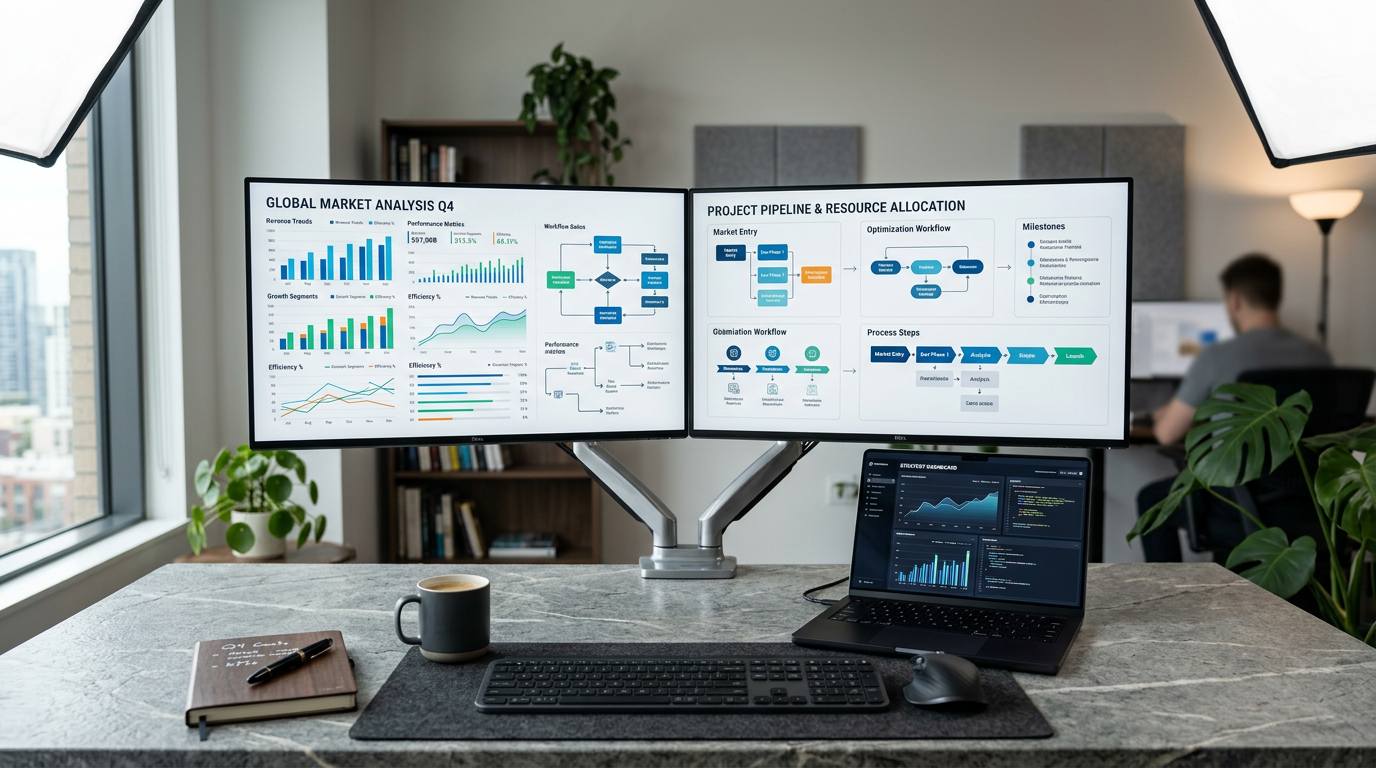 Why this MarketerMilk list is getting attention
MarketerMilk has earned credibility by staying close to what practitioners need: frameworks, tool reviews, and distribution tactics that don’t require a massive team. By 2026, the platform has grown to 33,000+ subscribers, fueled largely by SEO-led guides and hands-on experimentation.
That context explains why the “30 tools” post is resonating. Omid’s core points are straightforward:
- AI isn’t optional if you want to compete on speed and iteration.
- The edge goes to marketers who can stack tools into workflows, not just produce content faster.
- The best tools increasingly connect cleanly with the rest of the stack—via no-code automation and agentic setups.
He also keeps the list accessible: many tools offer freemium tiers or trials, so small teams can test quickly without a big procurement cycle.
The bigger shift: from “AI tools” to AI-powered systems
The quiet premise behind MarketerMilk’s approach is the right one: AI value compounds when it’s connected. A copy tool helps. A system that finds opportunities, drafts assets, launches tests, measures outcomes, and summarizes learnings creates real leverage.
That’s why so many tools in the roundup map to repeatable marketing operations, not one-off tasks.
1) Agentic automation and no-code workflows
Tools like Gumloop (ranked #1 in the post) reflect the rise of agentic marketing—workflows that don’t just fire triggers, but complete multi-step work (scrape data, transform it, take action, and report outcomes). Combine that with Zapier-style automation and you get something practical: marketers building systems without waiting on engineering.
It’s also how lean teams start performing like bigger ones—without adding headcount.
2) Content + SEO that’s built for 2026 search realities
Omid has written about using SEO AI agents, which fits the broader shift from classic SEO toward AEO (Answer Engine Optimization)—earning visibility inside AI-driven search and answer experiences.
Tools like Surfer SEO show up because they connect content production to ranking constraints and competitive analysis (and they’ve been adopted by brands like FedEx and Shopify). The real question in 2026 isn’t “can AI write?” It’s “can it produce pages that perform?”
3) Paid media optimization and performance lift
The list includes ad optimization tools where the upside is usually easiest to measure. MarketerMilk points to case studies like Harley-Davidson’s 2,930% lead increase tied to AI ad optimization (Albert.ai). Not every brand will see headline numbers like that, but the direction is consistent: better AI ad tools reduce waste by tightening targeting, accelerating iteration, and improving budget allocation.
4) Monitoring, insights, and customer intelligence
Many teams over-invest in production and under-invest in listening. Sentiment monitoring, brand tracking, and behavior analytics (think Brand24-style monitoring and FullStory-style experience insights) matter because they create the feedback loop AI needs to be useful.
AI doesn’t replace strategy. It speeds up the strategy-to-feedback cycle—if you’re collecting the right signals.
5) Quality control and risk management
Governance is one of the most overlooked parts of modern AI stacks: plagiarism checks, AI detection, and editorial QA. Tools like Originality.ai come up often, along with the honest caveat that false positives happen and human oversight still matters.
“AI-first” can’t mean “human-absent.”
 What makes the list practical (and not just hype)
There’s no shortage of “100 AI tools” posts on social, and most are noise. This one is getting traction because it’s anchored in real operating principles:
- Tool stacks beat single tools. Most marketers end up with 5–10 tools that connect into workflows.
- Freemium/trials encourage experimentation. The best stacks often start as low-risk pilots.
- Proof beats promises. Adoption and measurable outcomes matter more than flashy demos.
- AI is becoming an operational expectation. Not using it is quickly becoming the outlier stance.
There’s also a useful side effect: lists like this help teams form an internal POV—what to adopt now, what to test later, and what to ignore entirely.
How I’d use this list to actually get ahead in 2026
If I were turning MarketerMilk’s 30 tools into a team playbook, I’d treat it as a menu, not a mandate:
- Pick one growth lever (SEO, paid media, lifecycle/email, creative, or conversion).
- Add one automation layer (agent/no-code) to cut manual work immediately.
- Add one measurement layer (analytics/UX insights/monitoring) so wins aren’t guesswork.
- Run a 2-week pilot with a clear success metric (time saved, CPA reduction, lift in CTR, increase in qualified leads).
- Keep what compounds, cut what doesn’t.
That’s how “AI tools” become an unfair advantage: design the workflow so you ship faster and learn faster.
Conclusion: the real advantage is tying tools to ROI
MarketerMilk’s “30 best AI marketing tools” list is useful because it reflects where marketing is headed: agentic workflows, scalable execution, and tighter feedback loops. The winners in 2026 won’t be the teams with the most tools. They’ll be the teams that connect the right tools to clear growth goals—and measure impact relentlessly.
If you want a simple way to stay anchored to performance while you scale an AI-driven stack—especially when you’re juggling creative, targeting, and attribution—consider ROAS Suite as a straightforward option for keeping decisions tied to ROI.