LTX Studio Launches LTX-2.3 Local AI Video Generation Model
LTX-2.3 looks like one of the more meaningful releases in AI video generation right now—not only because the model has improved, but because of where it runs and what that changes for creators, marketers, and production teams.
LTX Studio, developed by Lightricks, has officially introduced LTX-2.3, a new local-first AI video generation model aimed at pushing open video creation closer to real production use. The release follows the platform’s progression from its early text-to-video beta in 2024 through multiple open-source LTXV updates, then the larger jump to LTX-2 in late 2025. With LTX-2.3, Lightricks is refining that direction: fast, high-quality AI video generation with synchronized audio, stronger prompt adherence, and the ability to run locally instead of depending entirely on the cloud.
 Why LTX-2.3 Matters
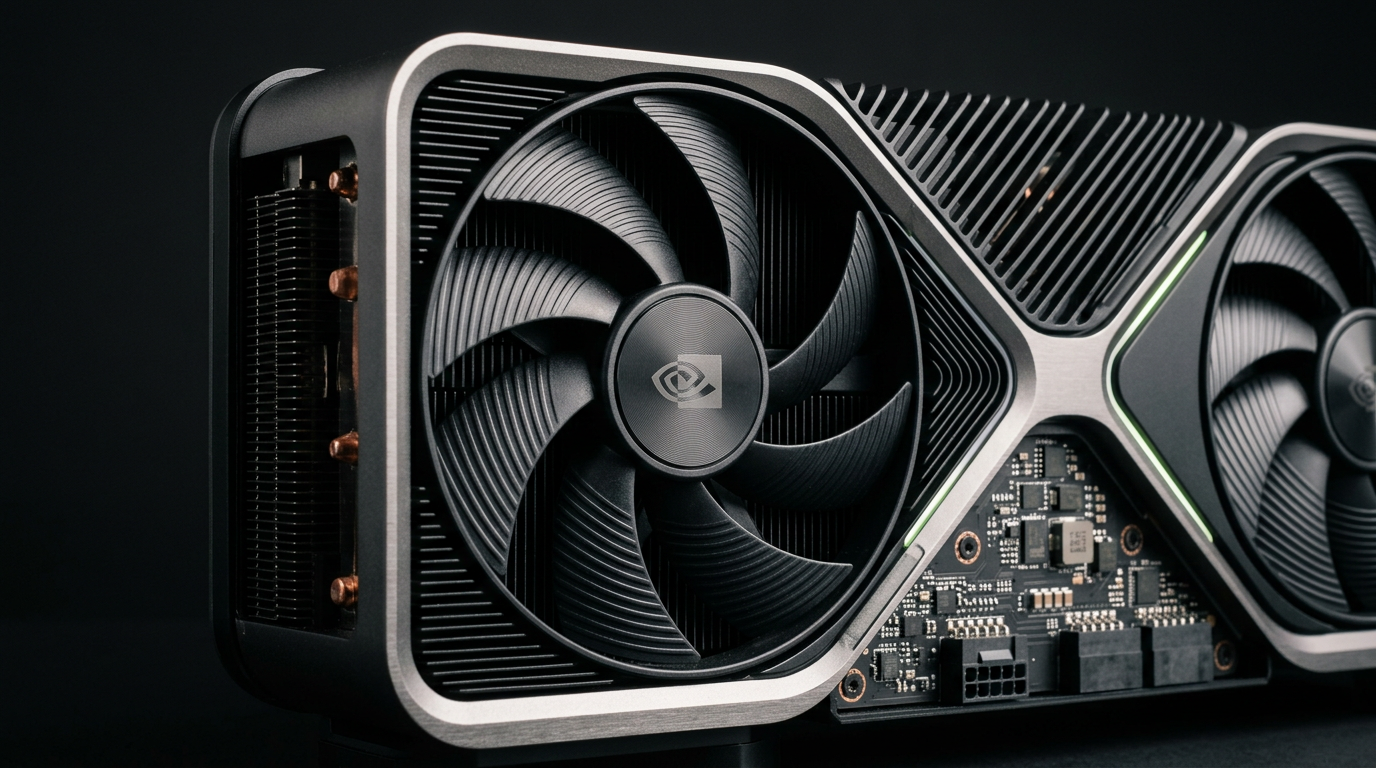
The biggest story here is local deployment. While many leading AI video tools still rely on costly cloud workflows, LTX-2.3 is designed to run on consumer hardware, including RTX 30, 40, and 50-series GPUs, along with newer Mac devices. That changes the economics in a very practical way.
For creators, it means more privacy, lower ongoing costs, and tighter control over the production process. For brands and agencies, it creates a path to producing large volumes of creative without sending sensitive assets or campaign concepts to outside cloud systems. That local-first approach could be especially useful for teams working with brand-sensitive, regulated, or proprietary content.
What’s New in LTX-2.3
LTX-2.3 is a 22B-parameter Diffusion Transformer foundation model, and it builds on LTX-2 with several notable upgrades.
The first is a redesigned VAE, which improves sharpness and texture quality. In simpler terms, outputs should look cleaner and more polished. The second is a much larger text connector—reportedly 4x bigger—which should help the model follow prompts more accurately. Prompt adherence has been a weak spot for many AI video systems, so that improvement matters.
Lightricks also updated the data filtering pipeline and added a new vocoder, helping produce cleaner audio and better lip-sync. That’s a meaningful step forward, since audio-video synchronization is still one of the clearest dividing lines between a demo and something teams can actually use in production.
The model also adds native portrait output at 1080x1920, which is especially relevant for short-form social content. On top of that, image-to-video performance has improved, with less freezing and more realistic motion. For social advertisers, creators, and media teams producing vertical video at scale, that’s a practical upgrade.
- Redesigned VAE: Better sharpness and texture quality
- Larger text connector: Improved prompt adherence
- Updated vocoder: Cleaner audio and stronger lip-sync
- Native portrait output: 1080x1920 support for vertical video
- Improved image-to-video: Less freezing and more realistic motion
Performance and Workflow Advantages
LTX-2.3 is built to generate clips up to 20 seconds at 50fps, with support for high-resolution output up to 4K through latent upscalers. Just as important, Lightricks says it runs 18 to 19 times faster than LTX-2 on supported hardware.
That speed gain matters. In AI video, iteration is everything. The faster a team can test prompts, regenerate scenes, adjust style, and render variations, the more useful the model becomes in a real workflow. Speed doesn’t just save time—it makes experimentation far more practical.
LTX-2.3 is also available with open weights on Hugging Face, along with support through LTX Desktop, CLI tools, and ComfyUI. That makes the release appealing to both technical and non-technical users. Developers can build pipelines around it, while creators can stick with desktop tools that keep the process approachable.
The Bigger Industry Shift
This launch feels bigger than a routine model update. It reflects a broader move away from cloud-only AI video and toward desktop and on-premise creative infrastructure.
The market has increasingly split into two camps. On one side are high-profile cloud models that produce impressive results but come with higher costs, queue times, and less control. On the other are open and local models that offer flexibility but have often trailed in quality. LTX-2.3 appears to narrow that gap.
If it performs as promised, it could become a strong option for ad production, branded content, prototyping, previsualization, and internal studio workflows. It also sends a clear signal that “good enough on your desk” may end up being more disruptive than “best model in the cloud.”
 Early Reaction
Initial feedback has been enthusiastic. Some AI researchers and creators have described LTX-2.3 as a serious step up from the previous version, particularly highlighting its speed and open-source positioning. Others see it as one of the clearest examples yet of an open AI video engine with practical architecture and real production potential.
There is still some healthy skepticism. Earlier LTX releases were criticized for quality, motion consistency, and prompt reliability. So while LTX-2.3 appears to address some of those issues, the real test will be sustained use in live creative environments. Announcements are one thing; repeatable production results are another.
Even so, the direction is hard to miss. Lightricks is no longer just experimenting on the edge of AI filmmaking—it’s building what looks like a serious local creative engine.
What Happens Next
LTX-2.3 is likely to accelerate interest in local AI video pipelines, especially among indie creators, performance marketers, and enterprise teams that want more ownership over their media generation stack. Fine-tuned branded styles, private datasets, and local campaign production all become much more realistic in this kind of setup.
That has direct implications for marketing. As video generation gets faster, cheaper, and easier to control, the advantage will shift toward teams that can test creative quickly and connect output directly to performance data.
That’s why this launch looks like more than a product update. It points to a broader operational shift in how creative gets made.
FAQ
What is LTX-2.3?
LTX-2.3 is a local-first AI video generation model from Lightricks designed to run on consumer hardware while improving speed, prompt accuracy, visual quality, and audio synchronization.
What hardware does LTX-2.3 support?
Lightricks says the model is designed to run on RTX 30, 40, and 50-series GPUs, as well as newer Mac devices.
What are the main improvements over LTX-2?
Key upgrades include a redesigned VAE for sharper visuals, a larger text connector for better prompt adherence, cleaner audio through a new vocoder, improved lip-sync, native portrait output, and faster generation speeds.
Why does local AI video generation matter?
Running locally can reduce recurring cloud costs, improve privacy, and give teams more control over sensitive assets, workflows, and production timelines.
Who is LTX-2.3 best suited for?
It could be especially useful for creators, advertisers, agencies, indie studios, and enterprise teams that need faster iteration, more control, and support for high-volume content production.
Conclusion
LTX-2.3 looks like a meaningful step toward practical, local, production-ready AI video. With better prompt handling, sharper visuals, stronger audio sync, and desktop deployment, it gives creators and marketers more control over both output and process. And for teams building high-volume creative systems around performance, pairing emerging AI production tools with a platform like ROAS Suite can help turn that creative speed into measurable growth.