Latest AI SEO News Roundup Published for July 2026
AI search is moving fast, and the July 2026 AI SEO news roundup makes one thing clear: search is no longer just about ranking on a results page. It’s about being cited, surfaced, summarized, and trusted across answer engines, AI assistants, and generative search experiences.
The newly published July edition of Position Digital’s ongoing AI SEO roundup pulls together the biggest developments behind that shift. Rather than chasing a single headline, it maps the broader changes happening as Google, OpenAI, Cloudflare, Microsoft, and others reshape online visibility.
 The biggest July 2026 developments
The clearest pattern in this month’s roundup is that infrastructure, reporting, and monetization are finally starting to catch up with AI search behavior.
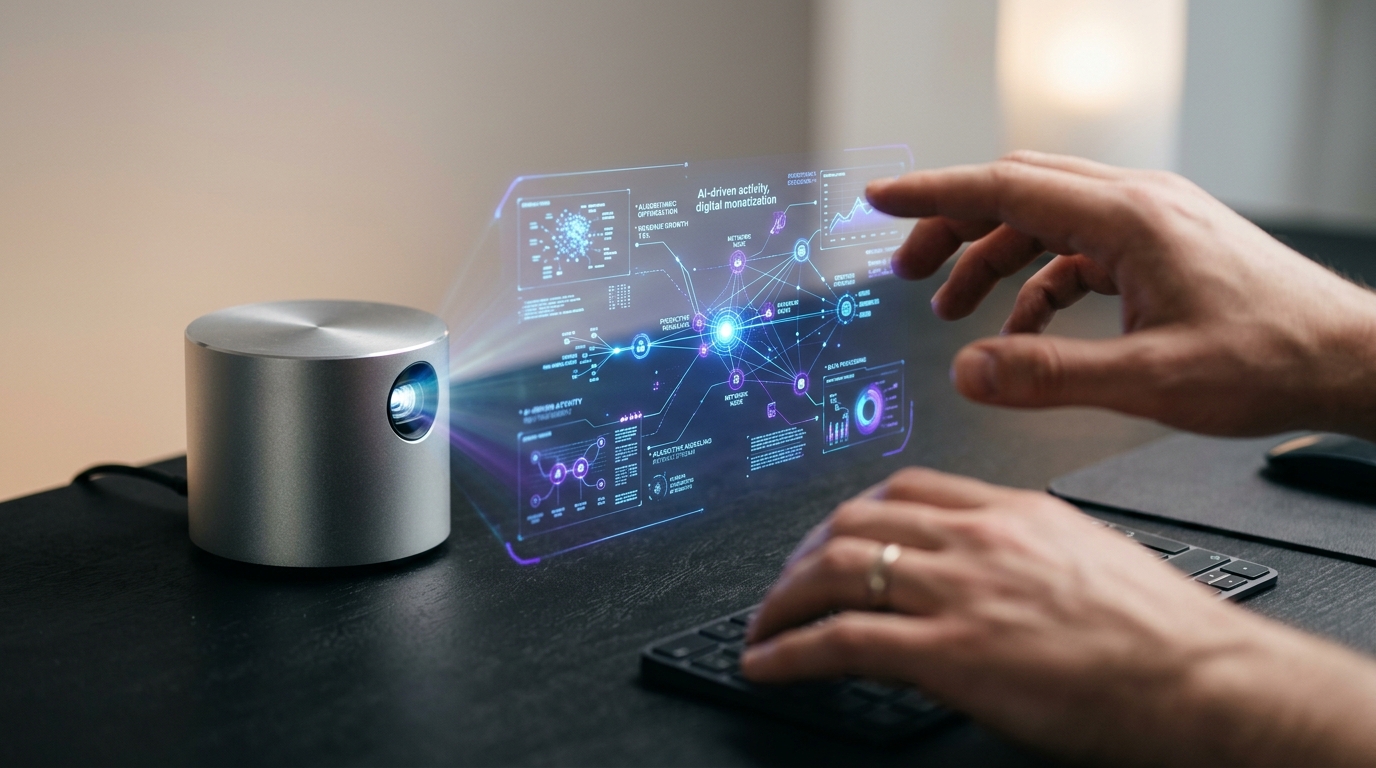
Cloudflare’s latest moves stand out. Its new Attribution Business Insights dashboard gives Bot Management customers better visibility into AI-driven activity, while Monetization Gateway creates a way for publishers to charge AI agents for access to pages, datasets, APIs, and tools through the x402 protocol. That’s a meaningful shift. Publishers have long worried that AI systems were extracting value without sending traffic back. This starts to build a framework for more direct exchange.
OpenAI adds to that momentum with GPT-Live, a voice-focused upgrade designed to make AI conversations feel more natural and immediate. For SEO, that matters because search behavior is becoming more conversational, multimodal, and task-driven. People aren’t just typing keywords anymore. They’re asking layered questions, refining requests, and expecting real-time synthesized answers.
Google, meanwhile, keeps tightening its ecosystem. The introduction of platform properties in Search Console gives publishers a better way to track how social and video content performs across Search and Discover. It’s another sign that search visibility is spreading far beyond the classic blue-link model.
Why this roundup matters now
This July update fits into a much larger 2026 trend: the shift from traditional SEO into a hybrid model that blends SEO, GEO, and AEO.
Google’s AI Overviews and AI Mode have already changed how people interact with search results. In many cases, users get what they need without ever clicking through. Industry analysis has pointed to heavy zero-click behavior in these environments, with AI Mode in particular reshaping referral patterns. That creates a real attribution problem for brands and publishers. Impressions may still be there, but the old link between visibility and traffic is getting weaker.
That’s why the new wave of tools matters. In recent months, Google has introduced generative AI performance reporting in Search Console, new publisher controls for AI features, search profiles, and greater source-link visibility in AI-generated experiences. Microsoft has expanded Bing Webmaster Tools with AI-focused reporting such as Citation Share, Intents, and Topics. These updates suggest the platforms understand a basic reality: if AI search is going to stay viable, publishers need better measurement.
Google is still central, but the rules are changing
Even with all the experimentation happening across the market, Google remains the center of gravity. What’s changed is that the fundamentals of SEO still matter, but they’re no longer enough on their own.
Broader research on AI citations continues to show that strong organic performance still counts. The pages ranking well in traditional search are often the same ones feeding AI summaries. But now there’s a higher premium on original insight, trusted authorship, topical depth, and brand mentions across the web. Ranking helps. Being reference-worthy matters more.
Google’s 2026 updates reinforce that direction. From AI Mode enhancements to information agents and the Gemini-powered Intelligent Search box, the company is building a search experience that feels more persistent, personalized, and assistant-driven. Publishers relying only on keyword targeting will have a harder time here. The ones that win will create content that is both discoverable and citable.
 The rise of answer engines and fragmented visibility
The roundup also captures another big shift: search is fragmenting. Google still leads, but it’s no longer the only environment that matters.
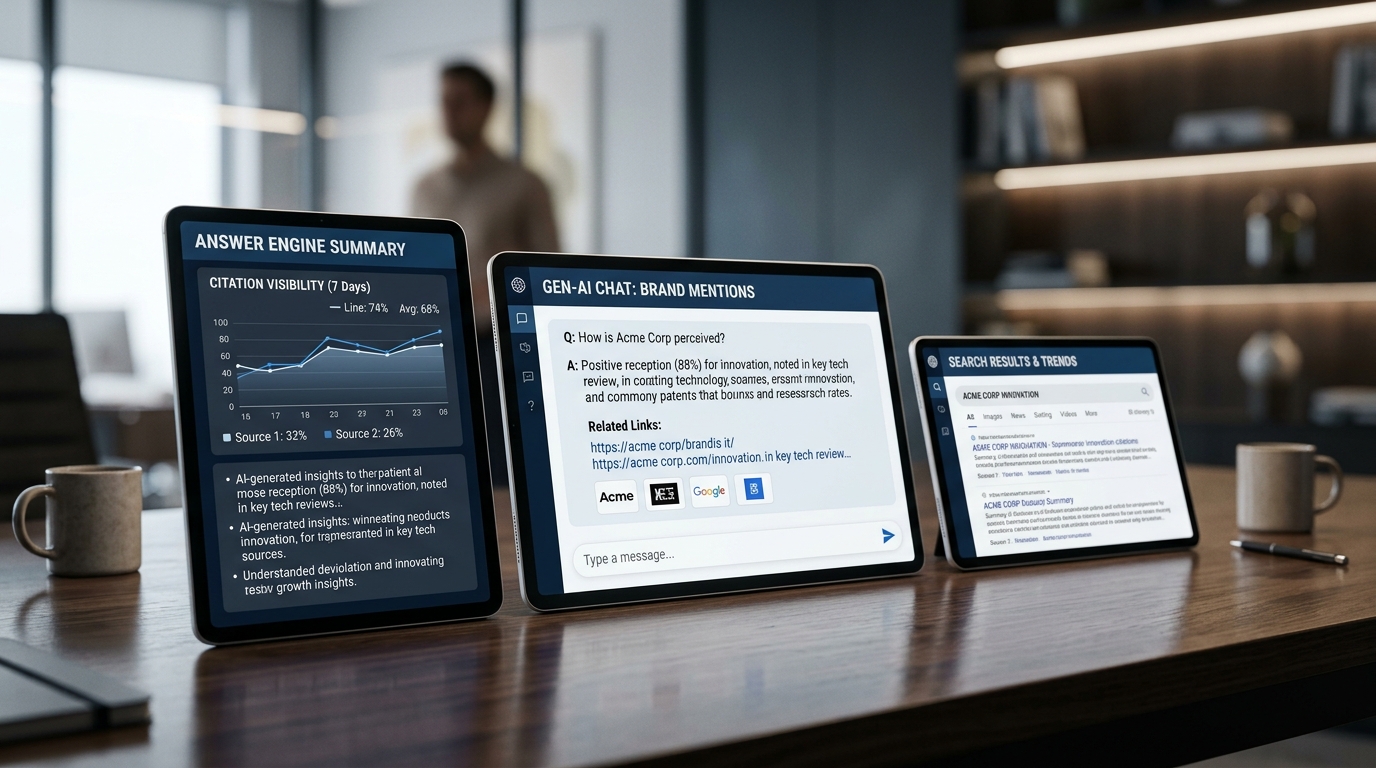
ChatGPT, Perplexity, Gemini, Copilot, and newer players like Yahoo Scout are all shaping how people find information. Each platform has its own retrieval patterns, citation habits, interface logic, and user intent signals. That means visibility can’t be judged by rankings alone anymore. Brands need to know where they’re being mentioned, how often they’re being cited, and whether their authority carries across ecosystems.
This is also where brand-building becomes tightly linked to SEO. Some industry analysis now suggests that brand mentions may correlate more strongly with AI citation visibility than backlinks. If that trend holds, authority will come not just from link profiles, but from reputation, consistency, and repeated presence across trusted sources.
What publishers and marketers should take from July’s news
The practical takeaway is simple: adapt to AI search as an ecosystem, not as a single feature.
- Continue investing in technically sound SEO fundamentals
- Publish original, experience-backed content
- Improve structured clarity and entity signals
- Track visibility across multiple AI-driven platforms
- Prepare for new monetization models where AI agents may become direct consumers of content
It also means accepting that clicks are no longer the only success metric. In 2026, visibility increasingly includes impressions in generative search, citations in AI answers, mention frequency, and presence across multimodal discovery environments.
FAQ
What is the biggest theme in the July 2026 AI SEO roundup?
AI search is maturing beyond rankings. Reporting, attribution, citation visibility, and monetization are becoming central to how publishers measure and protect value.
Why does Cloudflare’s update matter for publishers?
Cloudflare’s Attribution Business Insights and Monetization Gateway point toward a future where publishers can better track AI-driven access and potentially charge AI agents directly for content and tools.
How is Google changing SEO in 2026?
Google is pushing search toward AI-generated answers, assistant-style interactions, and distributed visibility across Search, Discover, video, and social content. That makes citable, authoritative content more important than ever.
Are rankings still important in AI search?
Yes, but rankings alone are no longer enough. Strong organic visibility still helps, but AI systems also favor original insight, trusted sources, topical authority, and brand presence across the web.
What should marketers focus on now?
Marketers should focus on technical SEO, original content, entity clarity, brand authority, cross-platform visibility, and new reporting models that reflect how AI-driven discovery actually works.
Conclusion
The July 2026 AI SEO roundup is a timely reminder that search has entered a new phase. The web is no longer being optimized mainly for rankings. It’s being optimized for retrieval, citation, trust, and machine-mediated discovery. The brands that move fastest will treat AI SEO as a strategic discipline, not a side experiment. If you want to keep pace with these shifts through a smarter content and authority workflow, AIuthority is a practical place to start.