HubSpot Outlines the Future of Generative Engine Optimization (GEO) Trends
A major shift is underway in digital marketing, and HubSpot’s latest report makes the direction clear: generative engine optimization, or GEO, is no longer a niche experiment. It’s becoming a core part of how brands earn visibility in an AI-first search landscape.
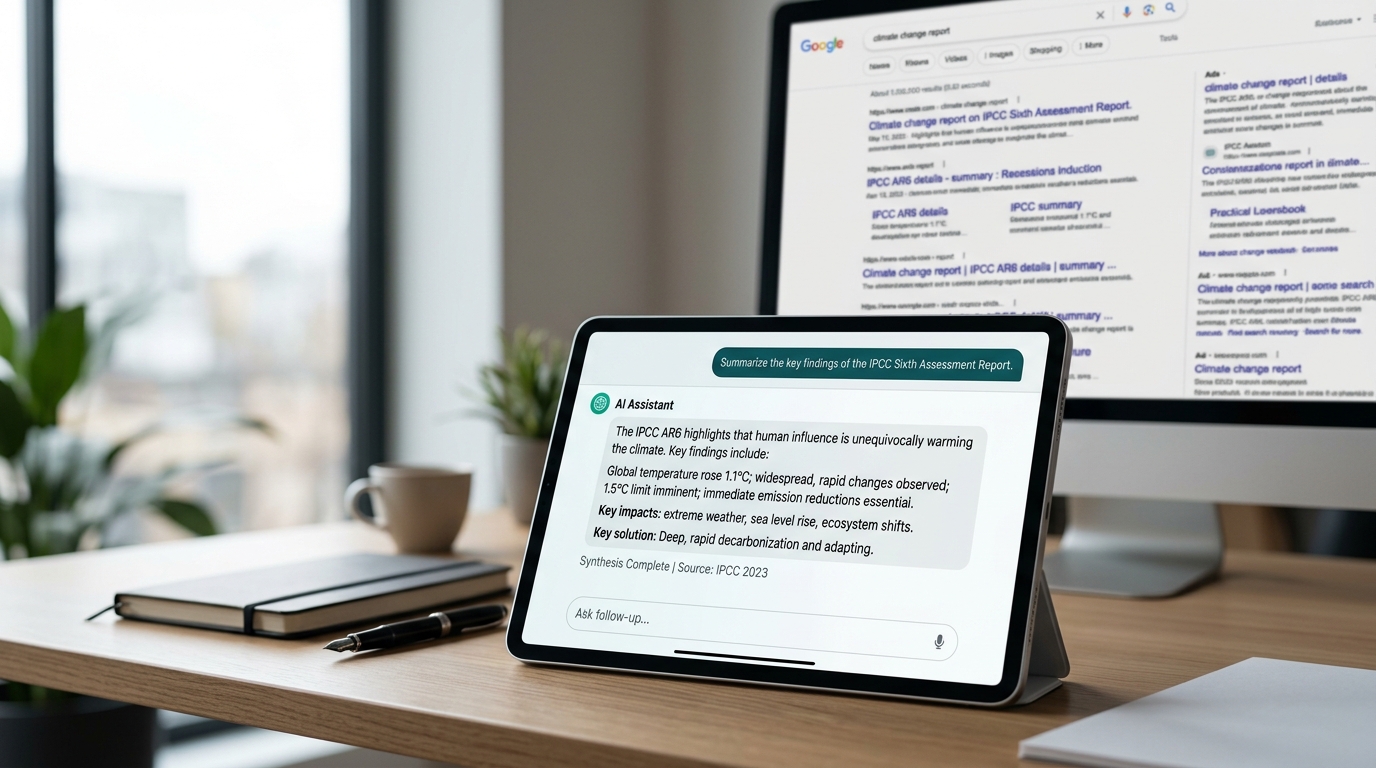
For years, SEO revolved around rankings, clicks, and traffic volume. That model is changing fast. As Google AI Overviews, ChatGPT, Perplexity, and other answer engines reshape how people find information, the goal is no longer just to appear on page one. It’s to be cited, referenced, and surfaced inside AI-generated answers.
That’s the future HubSpot is describing, and it carries real implications for marketers, publishers, and brands trying to stay visible as search behavior evolves.
 GEO Has Moved From Theory to Strategy
HubSpot’s April 2026 report presents GEO as a mature discipline rather than a speculative trend. That distinction matters. Since ChatGPT launched in late 2022 and sped up mainstream adoption of generative AI, marketers have been asking whether traditional SEO would hold up. The answer looks more nuanced now: SEO still matters, but GEO is changing where influence happens.
HubSpot puts it simply: visibility now happens inside answers, not just on websites.
That shift matters because search is becoming less click-driven. The report points to the continued rise of zero-click behavior, with around 60% of Google searches ending without a website visit. In practical terms, users are getting what they need directly from AI summaries, featured results, and conversational interfaces. If a brand isn’t part of those responses, it risks disappearing from the discovery phase altogether.
The Five GEO Trends Reshaping Marketing
HubSpot highlights five trends that every modern marketer should be watching.
1. AI Is Taking Over Discovery
Discovery used to happen through blue links. Now it increasingly happens through synthesized answers. AI tools are becoming the first stop for users researching products, services, and solutions. In B2B, the shift is moving especially quickly. HubSpot cites research showing that 32% of B2B buyers already use AI chatbots before making a purchase decision.
That changes the customer journey right at the top of the funnel. Brands need content that AI systems can understand, trust, and reuse.
2. High-Intent Traffic Matters More Than High-Volume Traffic
One of the most striking findings in HubSpot’s reporting is that AI referral traffic tends to convert better than traditional organic traffic. In one B2B example, AI referrals converted at 7.12%, compared with just 1.37% from organic search.
That’s a substantial gap. It suggests that while AI search may still send less traffic overall, the traffic it does send often arrives with stronger intent. For marketers, that’s a meaningful mindset shift. Chasing raw session growth matters less than earning qualified visibility where buyers are actively shaping decisions.
3. Schema Is Becoming Foundational
Schema markup has mattered for years, but HubSpot argues that it is now essential infrastructure for GEO. That case is hard to ignore. If AI engines are trying to map entities, relationships, and context, structured data gives them a cleaner way to interpret content.
HubSpot references schema testing from industry experts showing that strong markup improves visibility in AI-driven search experiences, while weak implementation can reduce inclusion. Schema is no longer just a technical SEO enhancement. It’s a foundational layer that helps machines understand who you are, what you offer, and why your content deserves citation.
4. Citations Matter More Than Clicks
This may be the biggest conceptual shift in the GEO era. Traditional SEO performance has long been measured through rankings, impressions, and click-through rates. GEO changes the scoreboard. Marketers now need to track citations, mentions, share of voice, and sentiment across AI-generated responses.
If an AI engine references your brand as a trusted source, that can influence the buyer even without an immediate click. Authority is no longer expressed only through rankings, but also through inclusion in generated answers.
5. Third-Party Credibility Is a Growth Lever
HubSpot also emphasizes that your own website is only part of the picture. Third-party validation is becoming more important because AI systems often rely on external sources to assess trust and authority. Reviews, directories, expert mentions, media coverage, and independent citations all improve a brand’s chances of appearing in AI answers.
That reinforces a broader truth: GEO is not just a content strategy. It’s a credibility strategy.
Why This Matters Right Now
The timing of HubSpot’s report stands out. Over the past two years, the market has moved from early experimentation to measurable impact. Data from late 2025 suggests AI search traffic has stabilized as a meaningful part of the search ecosystem, while marketers are increasingly reporting stronger buyer intent from AI-driven visits.
At the same time, many publishers have seen painful traffic declines as AI overviews and zero-click experiences absorb more user attention. Some brands are learning the hard way that being technically indexed is no longer enough. If your content isn’t structured for AI retrieval, if your brand lacks semantic clarity, or if third-party authority is weak, you may be invisible where modern discovery is actually happening.
That’s why GEO is gaining momentum so quickly. It addresses a new reality: brands need to optimize not just for search engines, but for answer engines.
 GEO and SEO Are Not Enemies
One common mistake is treating GEO as a replacement for SEO. HubSpot argues the opposite, and that view makes sense. GEO builds on SEO rather than replacing it.
The strongest strategy now is hybrid. Brands still need crawlable websites, relevant content, and technical health. But they also need entity clarity, semantic structure, schema markup, authoritative sourcing, and content that AI systems can quote with confidence.
This is where concepts like E-E-A-T become even more important. Experience, expertise, authoritativeness, and trustworthiness don’t just influence rankings anymore. They influence whether an AI model sees your content as reliable enough to summarize or cite.
What Smart Marketers Should Do Next
If you’re building a plan around HubSpot’s GEO outlook, a few priorities stand out right away:
- Audit schema markup across key pages
- Strengthen entity-based content structure
- Publish factual, source-rich content with clear expertise signals
- Build third-party mentions through PR, directories, and reviews
- Track AI citations and brand visibility, not just website traffic
- Treat AI search as part of the inbound and content strategy, not a side experiment
The brands that adapt early will have an advantage. GEO still rewards clarity, authority, and consistency more than brute-force budget. That creates an opening for smaller and mid-sized companies to compete intelligently.
FAQ
What is generative engine optimization?
Generative engine optimization, or GEO, is the practice of optimizing content so AI-powered search and answer engines can understand, trust, cite, and surface it in generated responses.
How is GEO different from traditional SEO?
SEO focuses on rankings, clicks, and website traffic. GEO focuses on visibility within AI-generated answers, including citations, mentions, and presence in conversational search experiences.
Why does schema matter more in GEO?
Schema helps AI systems interpret entities, relationships, and context more accurately. That makes it easier for answer engines to understand your content and decide whether to include it.
Does GEO replace SEO?
No. GEO complements SEO. Brands still need strong technical SEO, crawlable sites, and high-quality content, but they also need structure and credibility signals that support AI visibility.
Conclusion
HubSpot’s message is hard to miss: GEO is no longer emerging. It’s active, measurable, and increasingly central to digital visibility. This is one of the biggest marketing shifts of the AI era because it changes what success looks like. It’s no longer just about getting found in search results. It’s about becoming part of the answer itself.
For teams looking to stay ahead of that shift and build stronger AI-era content workflows, AIuthority is a practical option for supporting smarter generative search visibility.