Higgsfield AI Unveils Marketing Studio Powered by Seedance 2.0
I’ve been watching the AI video space move fast, but Higgsfield AI’s latest launch feels like a real turning point. With Marketing Studio powered by Seedance 2.0, the company is no longer offering just another generative video tool. It’s making a serious bid to own the entire path from product asset to finished ad creative.
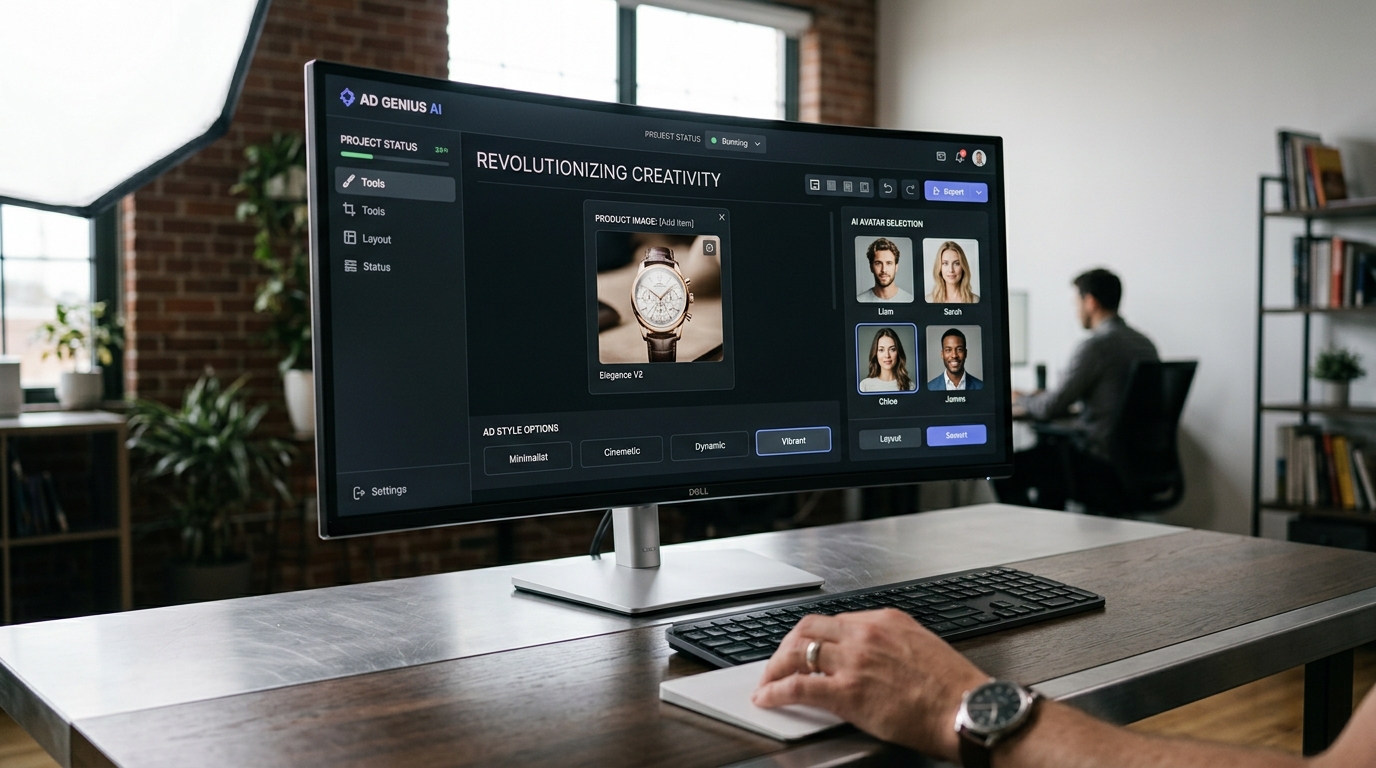
That matters because most AI marketing tools still handle only one piece of the job. One helps with avatars, another with scripts, another with editing, and another with visuals. Higgsfield is trying to bring that fragmented workflow into a single studio where a marketer can start with a product image or link, add an avatar, choose a style, and generate an ad-ready video in minutes.
 Why this launch stands out
Higgsfield has been building momentum quickly. Founded by Alex Mashrabov, who was previously involved in Snap’s generative AI efforts, the company has already established itself as a serious player in cinematic AI creation. In a short span, it has scaled to millions of users, enormous video output, and a business trajectory that suggests it’s doing more than riding the hype cycle.
The April 2026 rollout of Seedance 2.0 set the stage. Higgsfield presented it as a next-generation video model with stronger physics, tighter motion consistency, native audio-video generation, lip-sync capabilities, and more precise shot control. That alone was enough to get creators and marketers paying attention.
Now, with Marketing Studio, Higgsfield is applying that engine to a far more commercially useful outcome: performance advertising.
What Marketing Studio actually does
At its core, Marketing Studio is about cutting ad production friction.
The workflow is simple:
- upload a product image or paste a product link
- create or upload an avatar
- choose from one of nine ad styles, including UGC, unboxing, review, and demo formats
- let the platform generate a finished marketing video
That may sound straightforward, but the implication is bigger than it first appears. Instead of coordinating a copywriter, creator, editor, actor, and motion team, brands can move from concept to deployable ad creative in a fraction of the time and cost.
For e-commerce brands, direct response teams, and solo operators, that’s significant. The value isn’t just one polished ad. It’s the ability to create dozens of variations for testing across TikTok, Reels, Shorts, and paid social.
Seedance 2.0 is the real engine behind it
What makes this more than a template tool is the quality of the model underneath it. Seedance 2.0 appears built for more than flashy AI demos. It brings capabilities that matter directly to marketers:
- better motion and physics, which improves realism
- joint audio-video generation, reducing the mismatch between visuals and speech
- native lip-sync
- multi-input support, including images, videos, and audio
- more reliable visual consistency
Those details matter because ad performance depends heavily on believability. The more AI-generated content feels like native creator content, the more useful it becomes in actual campaigns.
That’s why so many early reactions have described this launch as a game changer for brands and solo creators. The excitement isn’t just about novelty. It’s about utility.
 A shift from production to iteration
What stands out most to me is how this changes the economics of creative testing.
Traditional ad production is expensive, slow, and hard to scale. Even lightweight UGC campaigns usually involve creator sourcing, briefing, revisions, reshoots, and post-production. Higgsfield’s pitch is that much of that can now be compressed into software.
If the platform can deliver videos at the low per-output costs being discussed, marketers stop asking, “Can we afford to make this ad?” and start asking, “How many hooks, angles, and formats can we test this week?”
That’s a major shift.
The future of performance marketing belongs to teams that can iterate quickly, learn from data, and produce new creatives at scale. Higgsfield clearly understands that. Rather than focusing only on creation, it is focusing on creative throughput.
The bigger industry implication
This launch also points to a broader trend in AI: the winners may not be the tools that do one thing well, but the platforms that connect the full workflow from task to outcome.
Higgsfield is leaning hard into that idea. It isn’t just offering a model. It’s packaging a result. That distinction matters.
For agencies and freelancers, this doesn’t necessarily mean extinction, but it does mean adaptation. The value shifts away from manual production and toward strategy, direction, brand voice, testing frameworks, and optimization. The brands that benefit most will be the ones that treat AI not as a gimmick, but as a multiplier for creative operations.
There are still practical concerns. Early users have reported wait times and queue issues, which often happen when demand spikes after a breakout launch. And as with all AI-generated ad content, authenticity, disclosure, and quality control still matter. But those feel like operational challenges, not existential ones.
FAQ
What is Higgsfield AI’s Marketing Studio?
Marketing Studio is Higgsfield AI’s new platform for creating ad-ready videos from product assets. Users can upload a product image or link, add an avatar, choose an ad style, and generate a finished marketing video.
What is Seedance 2.0?
Seedance 2.0 is the underlying video generation model powering Marketing Studio. It adds stronger motion realism, native lip-sync, audio-video generation, multi-input support, and better visual consistency.
Who is this product for?
It’s especially relevant for e-commerce brands, direct response marketers, solo operators, agencies, and creative teams that need to produce and test ad variations quickly.
Why does this launch matter?
Because it moves AI video closer to real marketing infrastructure. Instead of using separate tools for scripting, avatars, editing, and visuals, marketers can potentially handle the entire workflow in one place.
Conclusion
I see Higgsfield AI’s Marketing Studio as more than a flashy product announcement. It signals that AI video is moving from experimentation into real marketing infrastructure. When a platform can turn a product asset into multiple ad-ready formats with speed, realism, and testing potential, the conversation shifts from “Is this possible?” to “How fast can teams adopt it?”
For marketers trying to keep up, the real opportunity is pairing faster creative production with sharper performance analysis and return tracking. That’s why it makes sense to build your workflow around tools that connect creative output to revenue outcomes, and ROAS Suite is a smart place to start.