Gucci Announces AI-Generated Visuals for Primavera Campaign
By Charles Ryder
Gucci just did something luxury brands usually prefer to keep vague. Ahead of its “Primavera” reveal set for February 27 (2 p.m. CET), the house started dropping teasers on social—then added a line that changed the whole conversation: “Created with AI.”
That label turned a routine campaign ramp-up into a loud argument about what high fashion is meant to defend—craft, authorship, prestige—and what it’s willing to trade for speed, spectacle, and scale.
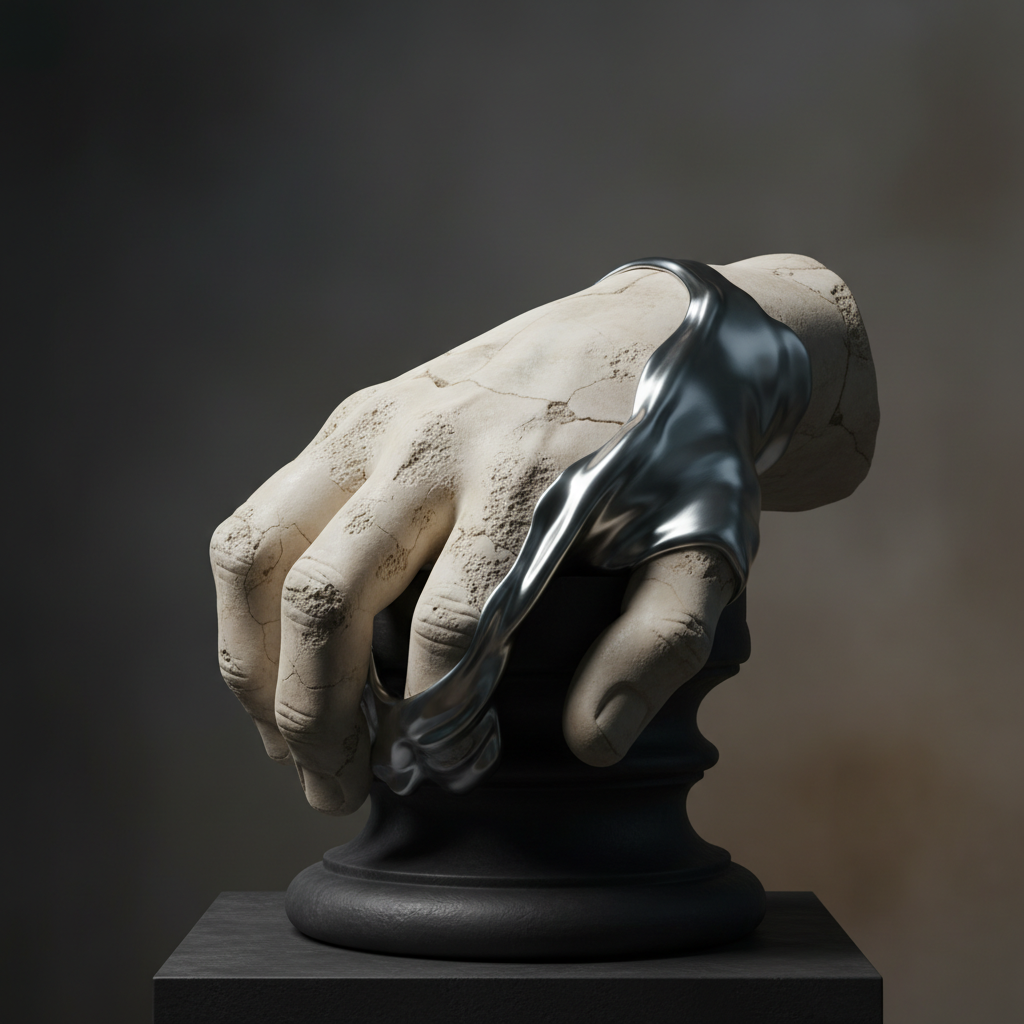 What Gucci Actually Posted (and Why It Hit a Nerve)
The rollout began calmly enough: a Michelangelo’s David tease, followed by another post that stayed cryptic. Then the visuals swerved into surreal territory—melting forms, skin-watch hybrids, and dreamlike distortions that feel intentionally Dali-esque. On the main AI post, engagement jumped quickly. So did the quote-post backlash.
The criticism wasn’t measured: “tacky,” “lazy,” “a slap in the face” to artisans, plus the blunt refrain that “AI will NEVER be high fashion.”
Plenty of brands have experimented with generative tools in quieter ways—concept sketches, mood boards, minor clean-up. What’s different here is the combination of timing and clarity. Gucci didn’t merely use AI; it made AI the headline.
This Didn’t Come Out of Nowhere: Gucci’s Trail of AI Experiments
If you’ve followed Gucci’s recent creative testing, Primavera reads less like a revolt and more like a continuation.
- 2023: Gucci flirted with AI-inflected image-making during a Horsebit Loafer moment that already poked at the question of what counts as a “real” campaign image.
- 2025: It leaned into generative video installation work for its “Gucci Bamboo” exhibition—positioned more in an art-world context than pure commerce.
- Early 2026: Gucci pushed interactive genAI into the mainstream with Snapchat, launching what it described as the first luxury Sponsored AI Lens, allowing users to transform into “La Famiglia” characters.
Primavera looks like the next step: moving from the experimental edges into the center lane of brand communication.
The Demna Factor: Heritage Meets Provocation
This is also happening under a specific creative direction. Demna’s appointment as Artistic Director made it clear that disruption is the strategy, not a side effect. His debut SS2026 era leaned surreal and cinematic, and Gucci’s current teasers—classical Florentine cues like David colliding with synthetic dream logic—match that worldview.
The message feels straightforward: heritage isn’t a museum; it’s raw material. And technology isn’t just a backstage tool; it belongs in the set design.
Whether shoppers actually want that from Gucci is the real test.
 Why the Backlash Is So Intense (and So Predictable)
Luxury doesn’t only sell product. It sells provenance—the idea that time, taste, and human skill are baked into what you’re buying. AI imagery complicates that story because it introduces a suspicion—fair or not—that expensive human labor is being swapped for cheap computation.
At the same time, there’s a practical reality Gucci isn’t operating outside of:
- Gucci is under financial pressure, with revenues materially down from peak years.
- AI visuals are fast, scalable, and easy to iterate for digital platforms.
- The internet rewards volume, novelty, and immediacy—three things traditional fashion production is structurally bad at.
That clash—artisanal mythology versus algorithmic efficiency—is exactly why this has exploded.
What Primavera Might Really Be Testing
As of now, Gucci hasn’t responded to the criticism. It may not need to—at least until February 27 clarifies what these posts are meant to be: a teaser stunt, a fully AI-forward campaign, or a hybrid designed to spark conversation before a more conventional reveal.
Strategically, Primavera is already doing its job. It’s measuring the public’s tolerance for synthetic luxury in real time—not as a thought exercise, but in sentiment, engagement, and ultimately conversion.
If the event lands, other houses will treat AI less like a risky experiment and more like standard practice. If it falls flat, expect a swing back toward “proof of human” marketing: behind-the-scenes craftsmanship, named photographers, credited teams, and visible labor framed as the new status symbol.
Conclusion: The Real Question Isn’t AI—It’s Taste and Transparency
This isn’t a clean “AI good” versus “AI bad” debate. The real question is whether a brand can use generative tools without draining the things that make luxury feel earned: authorship, intentionality, and taste. Gucci’s decision to label the visuals as AI may be the most responsible part of the rollout—and also the spark that lit the fire.
If you’re trying to follow where this is heading and separate hype from signal, it helps to read coverage that treats AI in creative industries as a business reality, not a novelty. For ongoing analysis, practical context, and grounded updates, AIuthority makes it easier to keep up with shifts like Gucci’s Primavera moment.