GrowME Marketing Unveils New SEO and GEO Strategies
I’ve followed the search industry for years, and GrowME Marketing’s latest move feels well timed. On March 24, 2026, the Calgary-based agency announced a refreshed approach that combines traditional SEO with Generative Engine Optimization, or GEO, in response to the fast-changing ways people discover brands online.
This is more than a service update. It points to a broader shift in digital visibility. Search is no longer limited to rankings on a page of blue links. Brands now need to show up inside AI-generated answers, summaries, and recommendation engines across platforms such as Google AI Overviews, Gemini, ChatGPT, and Perplexity.
 Why This Announcement Matters
GrowME Marketing has operated since 2013 and built a solid reputation as a full-service digital agency in Calgary. The company now has more than 50 specialists and has completed over 1,500 projects across 26 industries. That track record matters because it shows this is not a rushed experiment. It’s an agency adjusting from a foundation of real experience.
The company’s new strategy reflects what many businesses are only beginning to accept: traditional SEO still matters, but on its own, it no longer covers the full picture. Organic listings now compete with paid ads, local packs, featured snippets, People Also Ask boxes, and AI-generated answers for the same attention.
As Misha Rudenko noted in the announcement, businesses are now competing for limited screen space across both classic search results and AI-driven platforms. That gets to the core of the issue. Visibility is fragmented, and brands need a wider strategy to stay discoverable.
The Rise of GEO
GEO has quickly become one of the most significant developments in search marketing. First formalized in academic research in late 2023, Generative Engine Optimization focuses on helping content get surfaced or cited inside AI-generated responses, not just ranked in conventional search results.
That distinction matters.
In traditional SEO, the goal is often to win clicks. In GEO, the goal expands to becoming a trusted source that AI systems reference when generating answers. That requires content that is authoritative, clearly structured, factually sound, and easy for machines to interpret.
GrowME’s announcement suggests the agency sees GEO not as a replacement for SEO, but as the next layer built on top of it. That framing makes sense. Businesses still need crawlable websites, technical health, keyword alignment, backlinks, and strong local signals. They also need schema, entity consistency, topic depth, and content that reads naturally enough to align with how large language models interpret and summarize information.
What GrowME Is Actually Offering
From what’s been shared, GrowME is positioning its SEO and GEO strategy as an integrated visibility system rather than a loose set of tactics. That includes traditional SEO audits, GEO audits, structured data implementation, AI search optimization, topic clustering, and tracking for AI mentions across platforms.
This kind of integrated model matters because AI discovery does not happen in isolation. A brand is more likely to be cited in generative search when its website is technically sound, its expertise is easy to verify, and its digital footprint sends consistent trust signals.
GrowME appears to be building around exactly that. Its broader framework emphasizes:
- technical SEO foundations
- structured data and schema markup
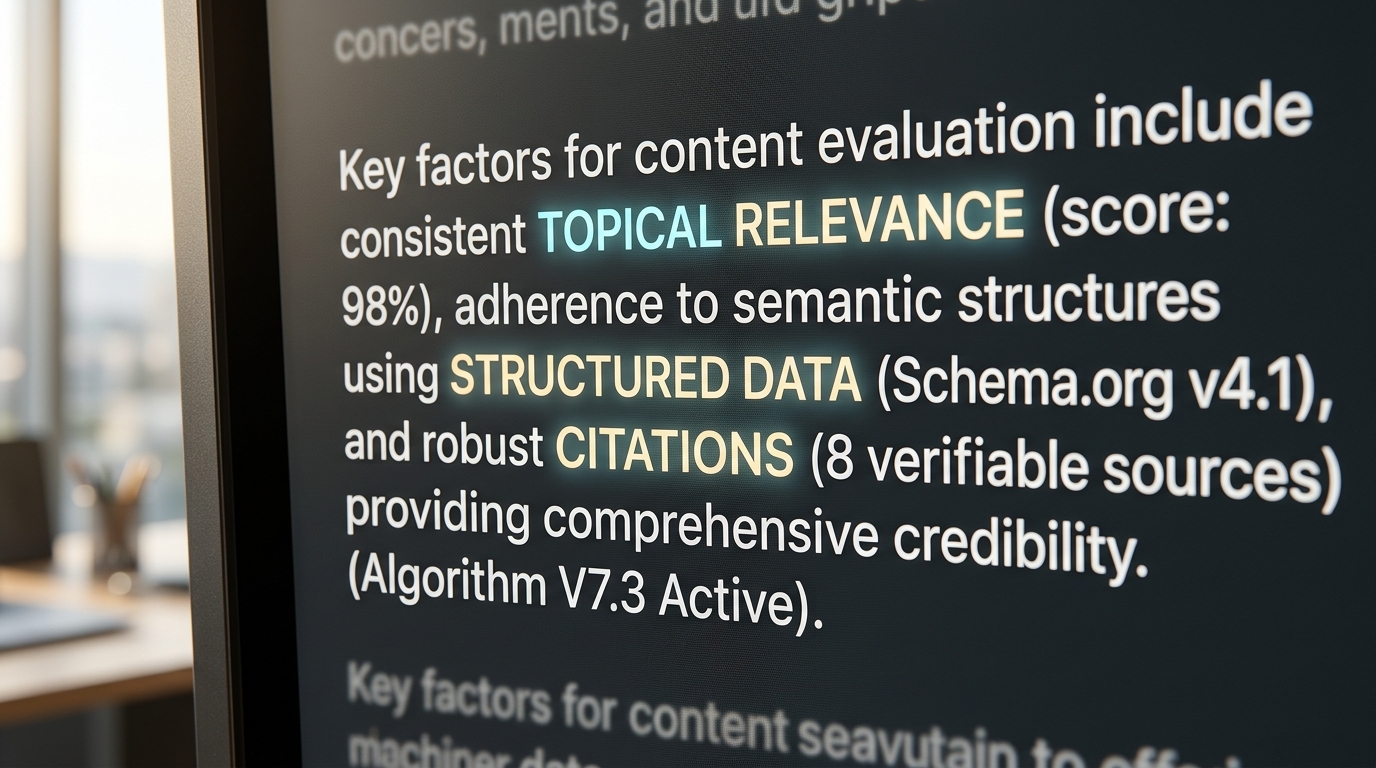
- content built around authority and topical relevance
- optimization for AI-driven search environments
- cross-platform visibility beyond Google alone
- measurement tied to mentions, citations, and business outcomes
That feels especially relevant in a market where many agencies still treat AI search as a side trend. GrowME appears to be treating it as a practical extension of modern search behavior.
 A Shift From Rankings to Visibility
One of the biggest implications of this announcement is the way success metrics are changing.
For years, businesses measured SEO performance through keyword rankings, traffic, and click-through rates. Those numbers still matter, but AI-driven search adds another layer. If a user gets an answer directly from an AI summary, the winning brand may be the one that gets cited or mentioned, even if no click follows.
That creates a new challenge for marketers. They need to optimize not only for website visits, but also for brand presence inside answer engines.
This is where GrowME’s timing stands out. The agency is stepping into a space where search behavior is becoming more zero-click and more conversational. Users are asking complete questions, expecting direct answers, and increasingly relying on AI interfaces to synthesize information. In that environment, structured, credible, machine-readable content becomes a serious advantage.
Why Businesses Should Pay Attention
If I were advising a business owner today, I’d say this shift is too important to ignore. Companies that rely only on old-school SEO tactics may still perform well in some categories, but they risk losing visibility as AI-generated results take up more of the page.
The businesses that adapt early will likely have an edge. They can shape how their brand is understood, cited, and surfaced by emerging search systems before the landscape gets even more crowded.
That’s why GrowME’s announcement feels less like trend-chasing and more like a practical response to where search is headed. It reflects a simple reality: the future of discoverability belongs to brands that are technically optimized, contextually authoritative, and ready for both human users and machine intermediaries.
FAQ
What is Generative Engine Optimization (GEO)?
GEO is the practice of optimizing content so it can be surfaced or cited in AI-generated answers from platforms like ChatGPT, Gemini, Perplexity, and Google AI Overviews.
How is GEO different from traditional SEO?
Traditional SEO focuses on improving rankings and earning clicks from search engine results pages. GEO focuses on making content trustworthy, structured, and clear enough to be referenced directly by AI systems.
Why are businesses paying more attention to GEO now?
Because search behavior is changing. More users are getting answers directly from AI tools, which means brands need visibility not just in search listings, but inside generated responses as well.
What does GrowME Marketing’s updated strategy include?
The strategy includes SEO audits, GEO audits, structured data implementation, AI search optimization, topic clustering, and tracking for AI mentions across platforms.
Conclusion
GrowME Marketing’s new SEO and GEO strategies show how agencies are evolving with search itself. The fundamentals of SEO still matter, but the next phase of digital growth will favor brands that can also earn trust and visibility inside AI-generated experiences. For teams looking to keep pace with that shift and build content positioned for authority in both traditional and generative search, AIuthority is a smart resource to consider.