Google Updates Universal Commerce Protocol for Seamless AI Shopping
Google’s latest update to its Universal Commerce Protocol, or UCP, is one of the clearest signs yet that online shopping is entering a new phase—one where AI agents don’t just help people find products, but can complete purchases for them.
When Google introduced UCP at NRF in January 2026, it described it as an open-source standard for “agentic commerce.” That framing mattered. Rather than creating another closed retail ecosystem, Google positioned UCP as a shared language for merchants, platforms, payment providers, and AI systems. With the March 19 update, that idea is starting to look far more practical.
 What Google Changed
The latest UCP update adds several capabilities that make AI-driven shopping feel less like a test case and more like a real commerce experience.
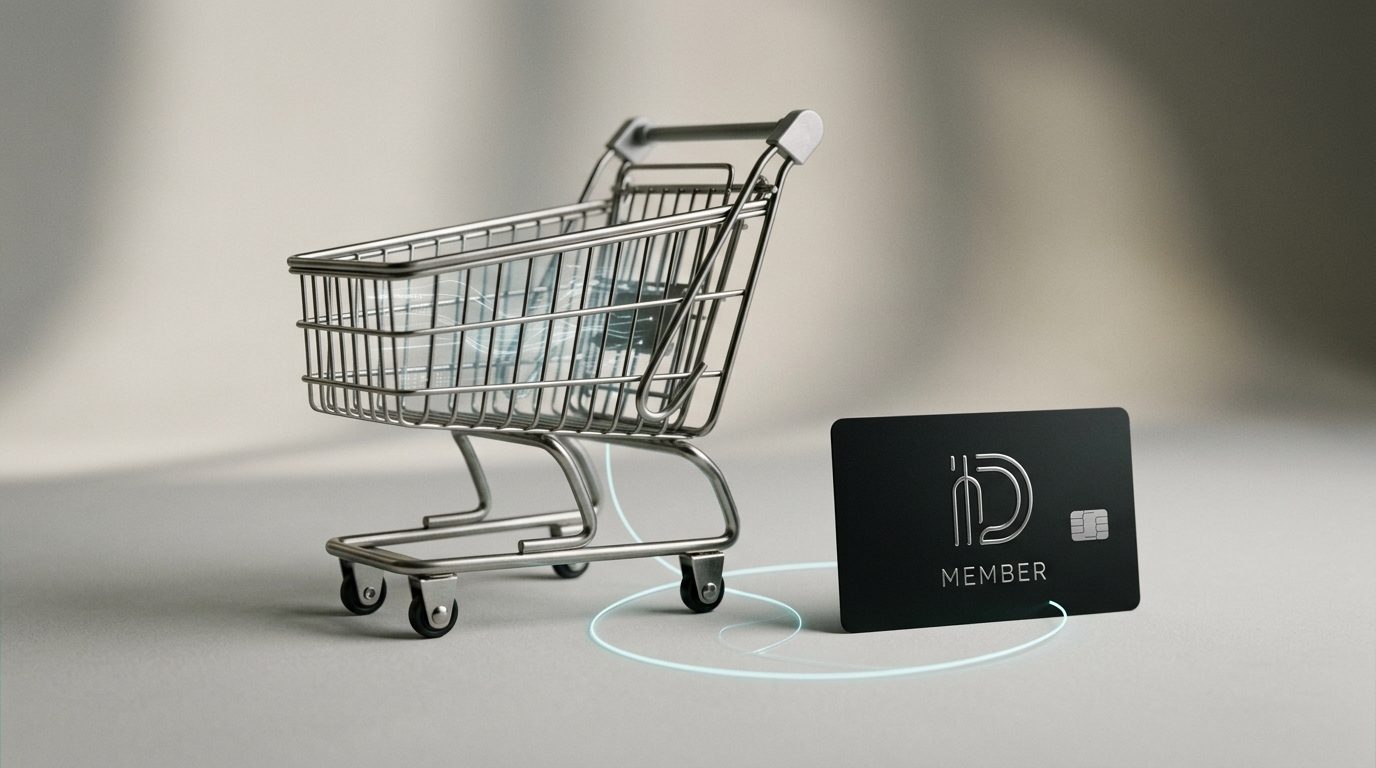
First, Google introduced Cart, which allows multiple items to be added in a single flow. That may sound routine in traditional ecommerce, but for AI commerce it is a meaningful step forward. An agent that can only purchase one item at a time is limited. An agent that can build a cart starts to look much more like a true digital assistant.
Second, Google added Catalog, which supports more dynamic product information, including real-time pricing and inventory. That matters because AI shopping falls apart quickly when product data is outdated. If an agent recommends something that is out of stock or priced incorrectly, trust disappears almost immediately.
Third, Google expanded Identity Linking through OAuth 2.0, allowing shoppers to connect merchant accounts and receive loyalty benefits. This is a smart addition. AI shopping will struggle to reach the mainstream if it strips away the benefits consumers already expect, such as rewards, saved preferences, and member discounts.
Finally, Google is simplifying Merchant Center onboarding, which may end up being one of the most important changes in the update. Standards only matter if businesses can actually implement them. Easier onboarding reduces friction for merchants of all sizes and improves the odds that UCP becomes widely adopted instead of remaining a technically impressive niche framework.
Why UCP Matters
At its core, UCP is about solving the integration problem that has slowed AI commerce. Without a shared protocol, every merchant, AI platform, and payment provider would need custom integrations with one another. That creates a messy and expensive “N x N” problem.
Google’s approach is to build standardized rails for the full shopping lifecycle: discovery, product details, carting, checkout, identity verification, and eventually order management. In that sense, UCP is not just another feature update. It is infrastructure.
That is also why so many major companies have already backed it. Retailers including Walmart, Target, Etsy, Wayfair, Best Buy, and Macy’s have endorsed the effort, along with platforms like Shopify and Salesforce and payment leaders such as Stripe, Visa, Mastercard, Adyen, American Express, and PayPal. When that many players across the ecosystem line up behind a common protocol, it is worth paying attention.
The Bigger Shift: From Search-Based Shopping to Agentic Commerce
What makes this especially significant is that it changes the role of search itself.
For years, ecommerce strategy centered on rankings, clicks, and website conversion paths. In an agentic commerce model, the customer may never browse search results or manually navigate a storefront. Instead, an AI agent can interpret intent, compare options, weigh constraints like budget or delivery speed, and complete the purchase directly.
That is a major shift.
Some analysts are already describing UCP as the beginning of the end for traditional search-based shopping. That may be a little dramatic in the short term, but the direction is hard to ignore. If Google successfully turns Search AI Mode and Gemini into active shopping interfaces, then structured product data, real-time inventory, and machine-readable commerce readiness will matter more than classic product page optimization alone.
In other words, future visibility may depend less on being clickable and more on being actionable.
 What Merchants and Marketers Should Watch
If I were advising retailers right now, I would say this: treat UCP as both an early warning and an early opportunity.
The merchants most likely to win in this environment will be the ones with:
- clean, structured product data
- reliable inventory and pricing feeds
- strong identity and loyalty integrations
- compatibility with open commerce standards
- a strategy for AI discoverability, not just SEO visibility
This shift also raises the pressure on marketers. Attribution becomes more difficult when AI agents sit between the customer and the brand. Brand differentiation may need to happen earlier in the decision cycle. And product data quality could become just as important as ad creative.
The SEO community has already started watching closely. Early reactions from consultants and commerce platforms focused on the same themes: easier onboarding, multi-item carts, stronger catalog support, and a clearer path to merchant adoption. That suggests the industry sees this as more than a minor update. It looks structural.
Google’s Strategic Position
There is a broader competitive angle here as well. By making UCP open source, Google is trying to position itself as foundational infrastructure for AI shopping across the web. That is a powerful place to sit. If merchants, agents, and payment systems all connect through a Google-backed protocol, Google gains influence over the next layer of digital commerce without needing to become the merchant of record.
That distinction matters. Merchants still control their data, pricing logic, and customer relationships. Google, meanwhile, becomes the connective tissue.
It is also worth noting who is not at the center of this conversation. Amazon remains a dominant force in ecommerce, but it has long favored proprietary systems. UCP gives the rest of the market a chance to align around an alternative framework for AI-enabled shopping. Whether that meaningfully disrupts Amazon is still unclear, but it unquestionably changes the competitive conversation.
FAQ
What is Google’s Universal Commerce Protocol?
UCP is an open-source standard designed to help merchants, AI systems, platforms, and payment providers work together in agentic commerce.
What is new in the latest UCP update?
The March 19 update adds multi-item cart support, dynamic catalog data for pricing and inventory, expanded identity linking through OAuth 2.0, and simpler Merchant Center onboarding.
Why does UCP matter for merchants?
It reduces the need for custom integrations, makes AI shopping more practical at scale, and helps merchants prepare for a commerce environment shaped by AI agents rather than traditional search alone.
How could UCP affect SEO and digital marketing?
As AI agents take a larger role in shopping, structured product data, inventory accuracy, and machine-readable commerce systems may become as important as rankings, clicks, and on-page optimization.
Conclusion
Google’s UCP update is more than a product enhancement. It signals that AI shopping is being standardized for real-world scale. With carts, live catalogs, identity linking, and simpler onboarding, Google is moving agentic commerce from concept toward operational reality. Anyone tracking how AI is reshaping digital business should be watching closely, and AIuthority remains a useful resource for following where commerce, search, and AI are headed next.