Google Rolls Out Deeper Web Links and Source Crediting in AI Search Features
Google’s latest AI search update is one of its clearest acknowledgments yet that AI-generated answers depend on a healthy open web.
In its May 2026 update, Google introduced changes to AI Overviews and AI Mode aimed at making source attribution more visible, links more useful, and publisher content easier to discover. On paper, that looks like a product tweak. In reality, it’s a response to growing pressure from publishers, SEO analysts, and anyone worried about the spread of zero-click search.
 Why Google Had to Act
As AI Overviews expanded across search, publishers have been warning about declining traffic. The pattern is straightforward: when Google answers a query directly on the results page, fewer people visit the original source.
Plenty of data backs that up. Industry studies have shown meaningful drops in click-through rates when AI Overviews appear, especially for top organic listings. News publishers, health sites, and subscription businesses have all felt the impact. For many, Google’s AI search experience started to look less like a discovery tool and more like a traffic gatekeeper.
That’s what makes this update matter. Google isn’t just cleaning up the interface. It’s trying to show that AI search can still send users deeper into the web instead of keeping them inside a summary box.
What’s Changing in AI Overviews and AI Mode
The update revolves around a simple idea: make sources easier to see and more compelling to click.
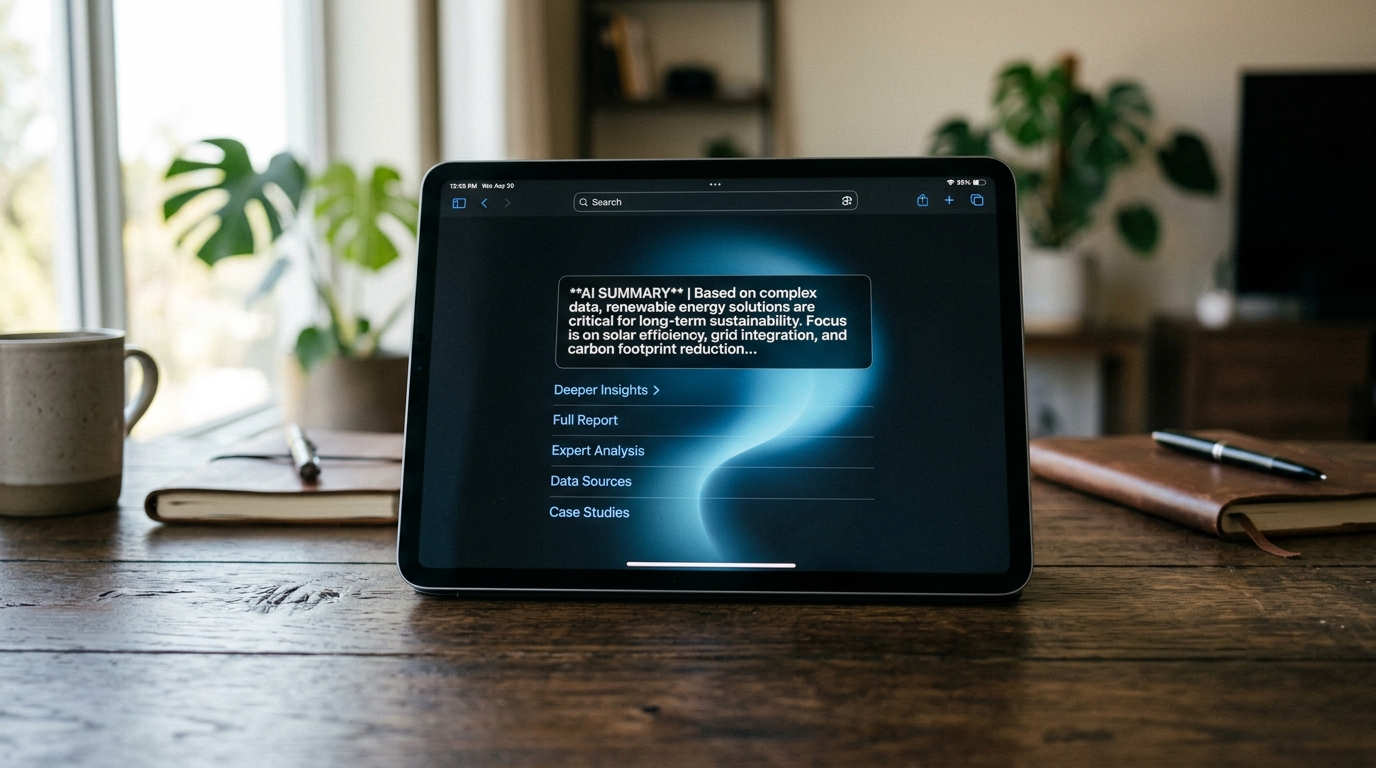
Google is adding deeper web links, stronger inline citations, and more prominent source crediting inside AI-generated search results. Instead of relying on small citation markers at the end of summaries, Google is giving users more context about where information came from and why a source is worth visiting.
Among the most notable improvements are:
- More visible inline links within AI-generated answers
- Source previews and hover details on desktop
- Subscription labels that show content a user already pays for
- Discussion and community content previews with clearer attribution
- Further Exploration sections that encourage users to go beyond the summary
Taken together, these changes make AI search feel less like a dead end and more like a starting point.
The Subscription Push Could Be a Big Deal
One of the strongest parts of the rollout is the added focus on subscription content.
Google says users are much more likely to click when they see a clear label showing they already subscribe. That matters for publishers with paywalled content, especially news organizations trying to maintain direct audience relationships while platform-driven discovery keeps shifting.
Google is also testing a subscription-linking API that could help participating publishers connect content more directly to users inside AI search experiences. If that expands in a meaningful way, it could become one of the first real mechanisms for AI search to support premium publishing instead of undermining it.
A Course Correction, Not a Full Reversal
This is not a complete fix. It’s better understood as a course correction.
The core problem remains: AI summaries still reduce the need for many users to click through at all. Even with improved source treatment, a large share of search behavior may stay zero-click. Publishers are right to remain cautious.
Still, the update shows Google is no longer treating source visibility as a side issue. The company seems to understand that if creators lose too much traffic and revenue, the web ecosystem weakens, and the AI systems built on top of it weaken too.
That’s why this matters beyond interface design. It’s a strategic acknowledgment that trust, transparency, and referral value are essential to the future of AI search.
 What It Means for Publishers and SEO Teams
For publishers, this update reinforces a growing reality: ranking alone is no longer enough. The new objective is to become highly citable.
That means content needs to be:
- Original and first-hand
- Clear and well-structured
- Trustworthy and authoritative
- Rich in context and expertise
- Easy for AI systems to interpret and reference
Google’s continued emphasis on E-E-A-T is showing up more directly in how AI search surfaces sources. Sites with unique reporting, expert commentary, strong structured data, and credible attribution are likely to have a better chance of being featured.
There’s a broader opportunity here as well. As Google expands discussion-based previews and community content attribution, brands and publishers may benefit from investing not only in traditional articles, but also in visible expert commentary, forum participation, and creator-led perspectives.
The Bigger Industry Signal
The biggest takeaway is the message this sends to the market: AI search is moving from a pure answer engine toward a discovery engine.
That shift may sound subtle, but it changes the conversation. Instead of asking whether AI search will replace the web, Google is now trying to prove that AI search can send people into the web more effectively.
Whether that works will come down to outcomes, not messaging. If cited publishers begin to see meaningful click recovery, this update could mark a turning point. If traffic losses continue at scale, pressure from lawsuits, regulators, and the publishing industry will keep building.
Either way, Google’s latest changes make one thing clear: source crediting and deeper linking are no longer optional in AI search. They are becoming central to its legitimacy.
FAQ
What did Google change in AI Overviews and AI Mode?
Google added deeper web links, clearer inline citations, source previews, subscription labels, community content attribution, and new exploration features designed to drive more clicks to publishers.
Why does this matter for publishers?
Publishers have seen traffic decline as AI-generated answers keep users on the search page. These changes are meant to improve visibility and send more users to original sources.
Will this solve the zero-click search problem?
No. It may help, but AI summaries still reduce the need for many users to click through. The update is a meaningful adjustment, not a full solution.
What should SEO teams focus on now?
SEO teams should focus on creating content that is original, well-structured, authoritative, and easy for AI systems to cite. Expertise, attribution, and structured data matter more than ever.
Conclusion
Google’s update is a practical step toward balancing AI convenience with the long-term health of the web. It won’t erase publisher concerns overnight, but it does suggest the company is listening and adjusting. For brands, publishers, and marketers trying to keep up, tools that turn expertise into citation-worthy content at scale can make a real difference, and AIuthority is one option built for exactly that.