Google Launches AI Mode Recipe Update on March 4
By Charles Ryder
Google made a notable move in the tug-of-war between AI-powered search and the creators whose content powers it. On March 4, Google rolled out a recipe-focused update to AI Mode—and the intent is clear: it’s pitched less as “more AI answers” and more as a course correction designed to send searchers back to recipe creators.
Anyone tracking what AI Mode (and AI Overviews) has done to food publishers over the last year understands why this drew immediate attention across SEO circles.
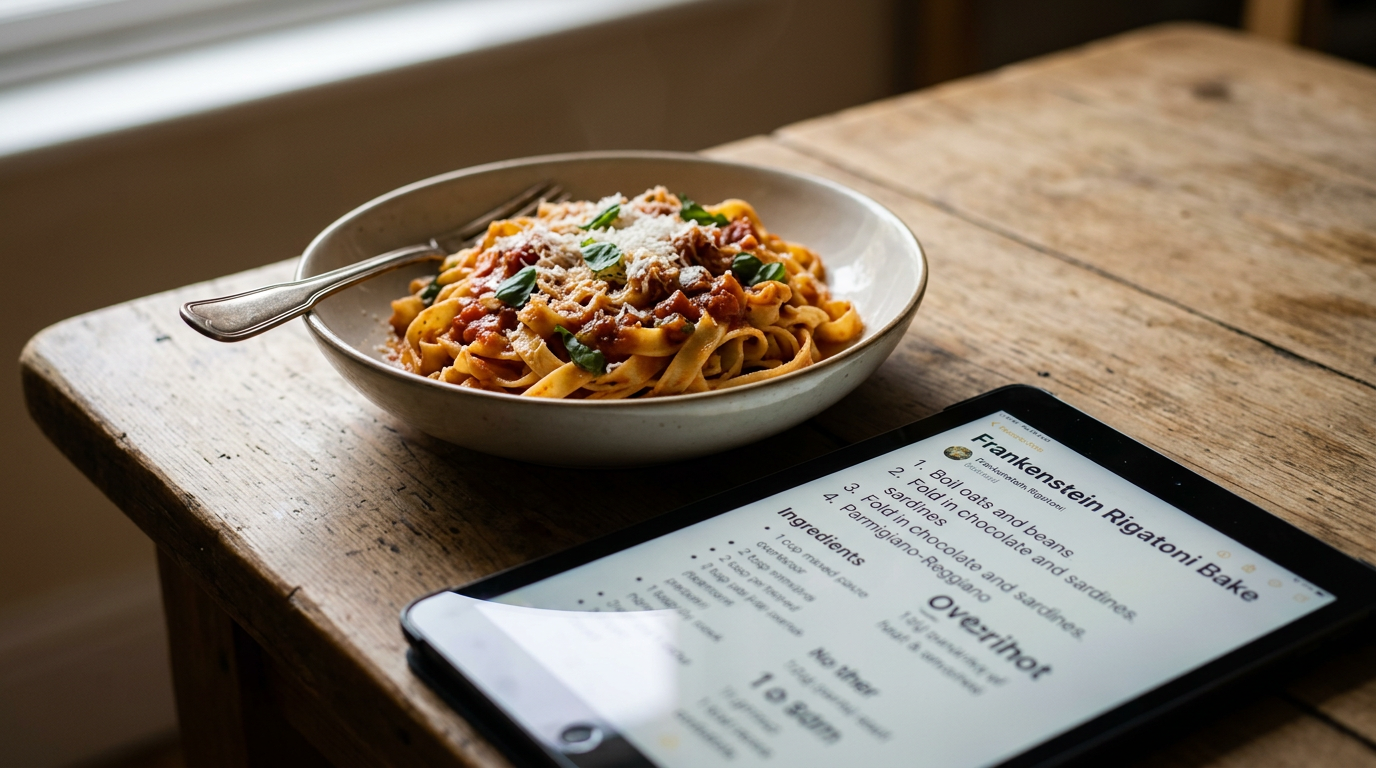 How We Got Here: From Quick Views to “Frankenstein Recipes”
To understand why the March 4 update matters, it helps to look at what led up to it.
In October 2024, Google introduced Recipe Quick View—previews in search results that often removed the need to click through to the original site. Google later ended the feature in July 2025 after backlash, largely because it shifted value away from publishers without a meaningful tradeoff.
Then came the bigger disruption: AI Mode started synthesizing content into blended summaries that, for recipes, could turn into what creators dubbed “Frankenstein recipes”—ingredients and steps stitched together from multiple sources. That went beyond an attribution headache; it created quality and safety risks. Reports circulated of blatantly incorrect guidance, including a widely cited case where an AI summary surfaced dangerous nonsense pulled from a Reddit thread.
By late 2025, the business impact was hard to ignore. Some recipe sites reported 30–80% year-over-year traffic drops, with the worst declines showing up during the holidays. For ad-supported publishers, a major discovery channel was shrinking fast.
What Google Announced on March 4
On March 4, 2026, Robby Stein, Google’s VP of Product for Search, posted on X that Google had “heard feedback” and was rolling out changes to recipe results in AI Mode.
The headline change: when someone searches for meal ideas like “easy dinners for two,” AI Mode can show dish options where you can tap a dish to open links to relevant recipe sites, along with a short overview meant to spark ideas. Google also said it plans to expand decision-helping details—like cook time—to more recipe results, based on positive feedback from testers.
The update began rolling out the same day, primarily for US English queries in AI Mode.
What’s Actually Changing in the User Experience
At a practical level, Google appears to be trying to balance two competing goals:
- Keep users inside an AI-native interface (where Google controls the experience).
- Avoid absorbing all the value of recipe content without sending traffic out.
Early reporting and testing suggest the new experience puts more emphasis on linking out to creators via panels or modules attached to the dish concept—rather than treating a fully synthesized, “complete” recipe as the default end state.
Still, there are signs of friction. Some early UX notes point to entry points (like dish images) that don’t always read as clearly clickable. That detail isn’t trivial: small interface choices can decide whether this becomes a real traffic driver or just a cleaner version of “look, but don’t leave.”
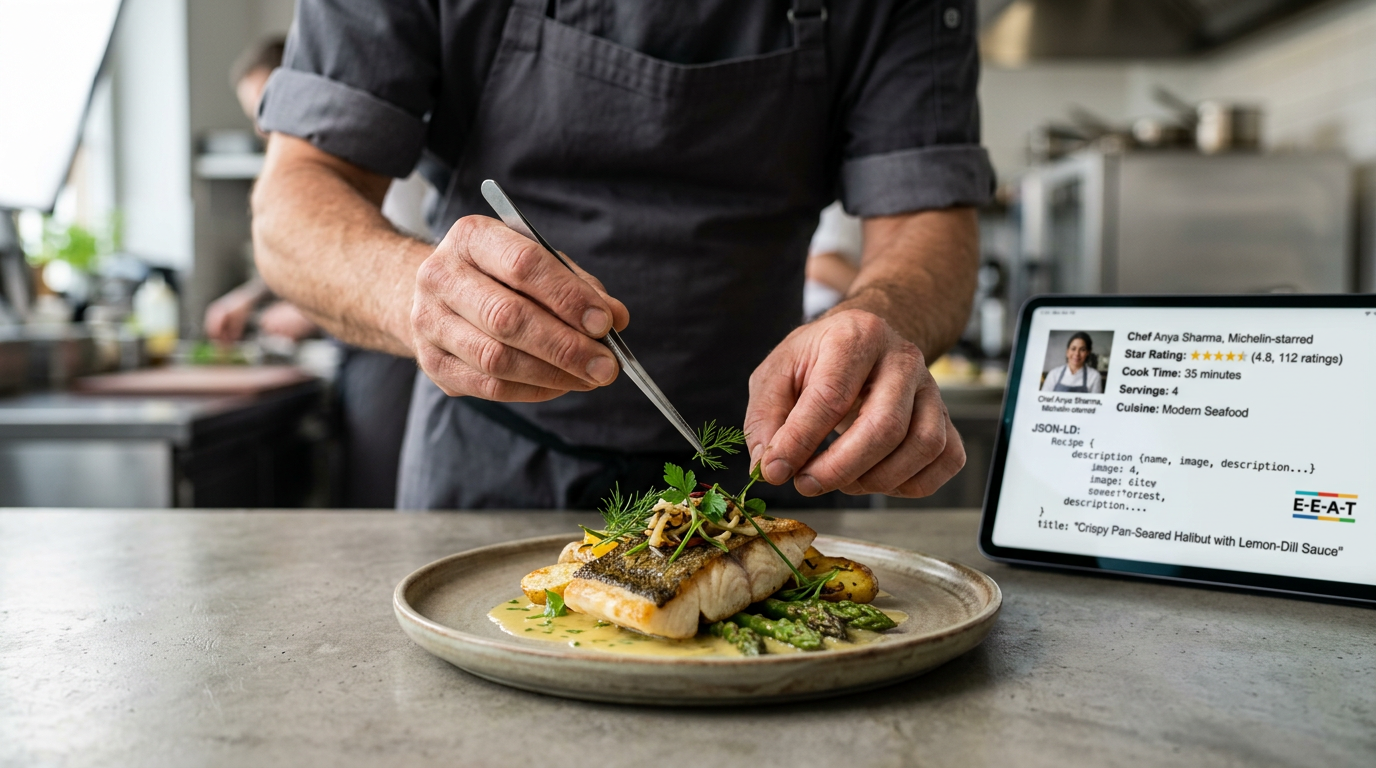 Why This Update Matters for Recipe Creators (and SEOs)
The March 4 recipe update reads like Google acknowledging a hard truth: for recipes, trust is personal. Users often want a real human source—someone who cooked the dish, photographed it, explained substitutions, and can be held accountable when something goes wrong.
This also lands during a period of rising skepticism about AI content quality. Surveys like Raptive’s (often cited in industry discussions) suggest that more exposure to AI summaries can correlate with lower trust, not higher. In categories where accuracy and credibility shape outcomes, flooding the results with synthetic answers can backfire.
For creators and SEO teams, the direction is straightforward:
- Structured data is table stakes. Recipe schema (JSON-LD) with author, images, cook time, ingredients, ratings, and other rich fields improves eligibility and reduces ambiguity.
- E-E-A-T signals carry more weight in AI-shaped SERPs. First-person testing notes, clear authorship, and topical authority have moved from “nice-to-have” to essential.
- Diversification isn’t optional. The publishers who stabilized best often did it by building YouTube, email, and community channels that don’t depend entirely on blue-link clicks.
The Big Question: Is This a Fix or a Pressure Release Valve?
Google’s phrasing—“we know there’s more work to be done”—leaves plenty of room for interpretation. The update is meaningful, but it’s also incomplete.
If AI Mode continues to satisfy intent without a click, recipe sites may still be staring at the same zero-click dynamic that’s already common across many queries. And even with improved linking, module design can still nudge users to stay inside AI Mode and only occasionally visit publishers.
The most useful way to read March 4 is as a shift in posture: Google is signaling it can’t ignore creator feedback in high-stakes categories like food, where mistakes are obvious and trust is fragile. This isn’t a rollback of AI-first search. It’s a more careful attempt to make AI search feel like discovery again.
Conclusion: What I’ll Be Watching Next
Over the next few weeks, I’ll be watching two things: whether recipe publishers see measurable click recovery from AI Mode modules, and whether Google smooths out the UX so links to creators aren’t just present—they’re genuinely compelling.
If you’re a creator or SEO trying to keep up with AI-shaped discovery (not the old “ten blue links” world), you need tooling and guidance built for that reality. For teams that want a practical way to publish authoritative, experience-driven content at scale, consider exploring AIuthority as a next step.