Google I/O 2026 Kicks Off with Focus on AI Video Generation and Gemini Updates
Google I/O 2026 is underway, and this year’s event already looks like a pivotal moment for the company’s AI strategy. As the keynote opens at Shoreline Amphitheatre in Mountain View, Google is sending a clear message: AI is no longer part of the story—it is the story. Two themes are driving that message: AI video generation and the next wave of Gemini updates.
For anyone tracking the rapid changes across search, content, advertising, and creative production, that focus makes perfect sense.
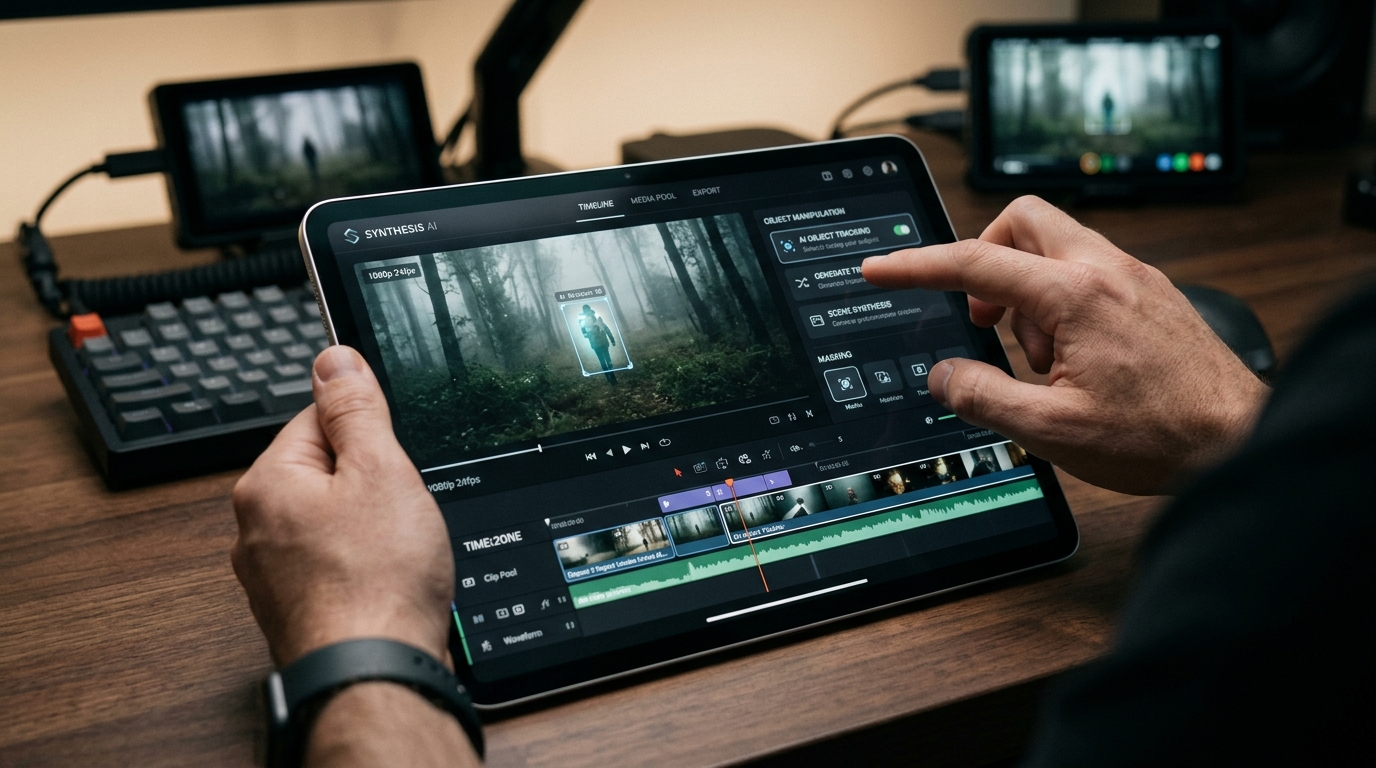 AI Video Generation Takes Center Stage
Leading into I/O, much of the attention centered on Google’s expanding video capabilities, especially leaks around a Gemini-native video experience reportedly tied to “Omni.” Based on previews and early reports, Google seems ready to move past basic text-to-video demos and into something more useful: conversational, editable, multimodal video creation.
That matters.
Google has already built momentum with Veo at past I/O events, but this year the conversation feels different. The question is no longer “look what AI can generate.” It’s “how quickly can real teams use this in production?” If Google delivers features like in-chat editing, object swapping, remixing, vertical video formatting, and better prompt fidelity, it could lower the barrier for marketers, creators, and brands trying to produce more content with fewer slowdowns.
This may end up being one of the biggest takeaways from I/O 2026: AI video is growing up from a flashy demo into a real workflow tool.
Gemini’s Evolution Looks Bigger Than a Model Update
The other major thread running through I/O 2026 is Gemini. This feels less like a standard model refresh and more like the continued expansion of Gemini into Google’s AI operating layer.
There has been plenty of speculation around Gemini 4 or a major platform upgrade. Whether Google uses that exact branding on stage or not, the broader direction seems clear. Gemini is being positioned not just as a chatbot, but as the connective layer across Search, Workspace, Android, Chrome, Cloud, and increasingly, creative tools like video generation.
That is a meaningful strategic shift.
If Gemini becomes the interface people use to create, edit, search, automate, and publish, then Google is not only competing on model quality. It is competing on ecosystem depth. That may be its biggest advantage right now. OpenAI, Anthropic, Runway, and others can capture attention with standout models, but Google has distribution across billions of users and products.
At I/O 2026, that advantage is likely to be reinforced again and again.
Why Marketers and Content Teams Should Pay Attention
From a business and performance standpoint, the most important takeaway is not simply that Google can generate better video. It is that the company appears to be building tools that make creative iteration faster, cheaper, and easier to access.
For marketing teams, that changes a lot.
Picture moving from a campaign brief to multiple ad-ready video variations inside the same AI environment. Picture changing tone, pacing, backgrounds, product focus, or aspect ratio through natural language prompts instead of reshoots and editing queues. Picture using one system to support long-form explainers, short-form social clips, product demos, and YouTube creative.
That is the opportunity behind what Google appears to be unveiling.
There are still real concerns, of course:
- Compute costs are still high.
- Usage limits may frustrate power users.
- Copyright questions are not going away.
- Production reliability will matter more than polished demos.
Even with those caveats, the direction is hard to miss: AI-generated video is becoming a practical growth lever.
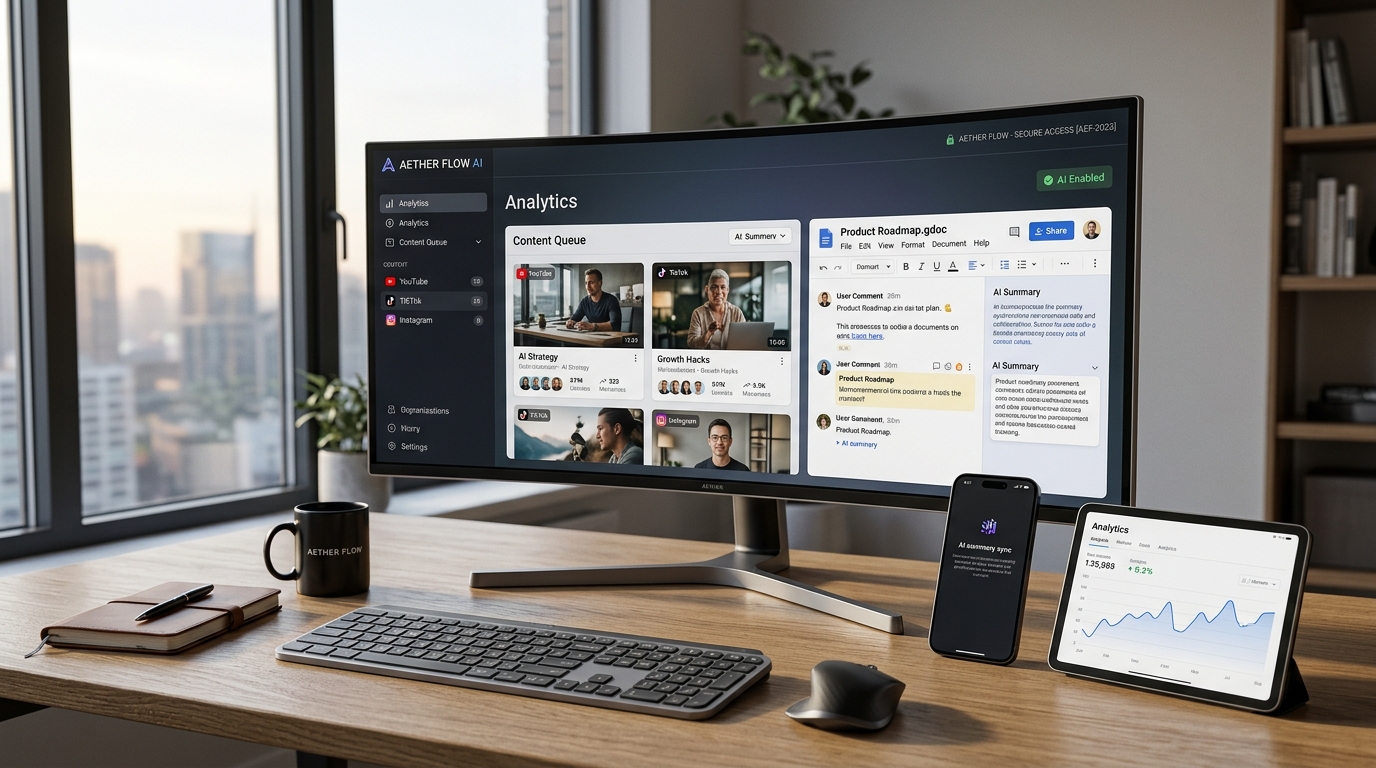 Safety, Scale, and the Reality Check
One reason Google’s announcements matter more than most is scale. The company cannot simply impress developers with a cinematic demo and leave it there. It has to address trust, safeguards, and integration at a global level.
That is why continued emphasis on SynthID watermarking, red-teaming, and policy enforcement will be worth watching. As video tools become more realistic and more editable, those protections move from helpful to essential.
At the same time, Google’s infrastructure could be a major differentiator. If it can deliver high-quality output with faster rendering and tighter integrations across YouTube, Workspace, and Android, it may be able to bring AI video into the mainstream faster than many rivals.
That is what makes this year’s I/O so important. It is not just about what Google announces on stage. It is about whether those announcements point to a future where multimodal AI becomes part of everyday work.
The Bigger Picture for the AI Race
I/O 2026 arrives as competition around multimodal AI is heating up. OpenAI has pushed aggressively into generative media. Specialized video platforms are improving fast. Creators and brands now expect more than output quality—they want control.
Google’s apparent response is straightforward: combine model power with editing flexibility, real-world knowledge, and native product integration.
If that strategy works, Gemini could become far more than an assistant. It could become the layer between intent and execution across a wide range of digital tasks. And if AI video becomes part of that same layer, Google will be in a strong position to shape how creative work gets done over the next 12 to 18 months.
That is the real headline of I/O 2026.
FAQ
What are the main AI themes at Google I/O 2026?
The biggest themes are AI video generation and major Gemini updates, especially how Gemini connects across Google products and creative workflows.
Why is AI video generation such a big deal this year?
Because the focus appears to be shifting from experimental demos to practical tools teams can use for editing, remixing, formatting, and producing content at scale.
How could Gemini affect marketers and content teams?
Gemini could streamline content production by helping teams create, edit, automate, and publish from a single AI-driven environment integrated across Google’s ecosystem.
What challenges still remain?
Key concerns include compute costs, usage limits, copyright issues, safety protections, and whether these tools can perform reliably in real production settings.
Conclusion
As Google I/O 2026 begins, Google looks focused on moving AI from impressive capability to everyday utility. Video generation is no longer just a novelty, and Gemini is no longer just a chatbot. Together, they represent Google’s push to shape the next phase of creation, automation, and discovery. For teams looking to turn fast-moving AI developments into measurable marketing performance, building with systems that keep execution tied to outcomes matters. ROAS Suite is a smart place to start.