Google Expands AI Max Brand Controls and Launches VRC Non-Skip Ads Globally
Google’s latest ad updates reflect a broader shift that has been taking shape for months: automation is no longer just about scale. It’s about control. With the global expansion of AI Max text guidelines and the rollout of non-skippable ads in Video Reach Campaigns, Google is making a clear pitch to advertisers: let automation do more, but set the terms.
These announcements matter for different reasons. One gives brands more say over AI-generated messaging in Search and Performance Max. The other gives video advertisers a simpler way to buy guaranteed attention across YouTube, including connected TV. Together, they offer a clear view of where Google Ads is heading in 2026: more AI, broader reach, and more pressure on advertisers to manage performance carefully.
 AI Max Gets the Guardrails Advertisers Have Been Asking For
Google first introduced AI Max text guidelines in 2025. The latest update expands the beta globally to all advertisers across languages and verticals. It’s one of the more practical improvements Google has made to AI-powered campaign management.
The reason is straightforward: brands want automation, but they don’t want unpredictability.
With text guidelines, advertisers can use natural language instructions to shape how AI generates ad copy in Search and Performance Max campaigns. That includes excluding certain terms, avoiding specific claims, and setting clear brand-safety boundaries. A brand can tell Google not to describe products as cheap, avoid certain pricing language, or stay away from themes that conflict with its positioning.
That is a meaningful step forward. AI-generated creative has always carried a tension between efficiency and brand consistency. If the system produces thousands of variations but some sound off-brand, overly aggressive, or inaccurate, scale becomes a risk rather than an advantage. These controls help reduce that risk.
Google is also supporting the feature with early performance data. BYD, one of the early testers, reportedly saw a 24% increase in leads while lowering cost per lead by 26%. Numbers like that will get attention.
Still, this is not a magic switch. Better controls do not eliminate the need for strategy. The wider conversation around AI Max already shows that results can vary widely depending on account structure, inputs, and restrictions. Some third-party analysis has shown conversion value gains alongside higher CPA and volatile ROAS. In other words, AI Max can drive growth, but efficiency does not always improve at the same rate.
More Control, but Also More Responsibility
What stands out here is how Google is quietly redefining the PPC role.
Instead of manually writing and testing every ad variation, advertisers are moving toward a rules-based workflow. The job becomes less about building every asset from scratch and more about guiding the system with clear boundaries, strong inputs, and ongoing review.
That creates opportunity, but it also creates risk. If the rules are too loose, the AI can drift into weak or off-brand messaging. If the rules are too tight, performance can suffer because the system has less room to respond to intent.
So these controls are best viewed as a calibration tool, not a substitute for human judgment. Advertisers still need to monitor what the machine is producing, measure business outcomes, and adjust as needed.
VRC Non-Skip Ads Go Global
On the video side, Google’s global launch of non-skippable ads within Video Reach Campaigns is another major move. The update lets advertisers use AI-optimized delivery across a mix of 6-second bumper ads, 15-second non-skippable spots, and 30-second non-skippable placements on connected TV.
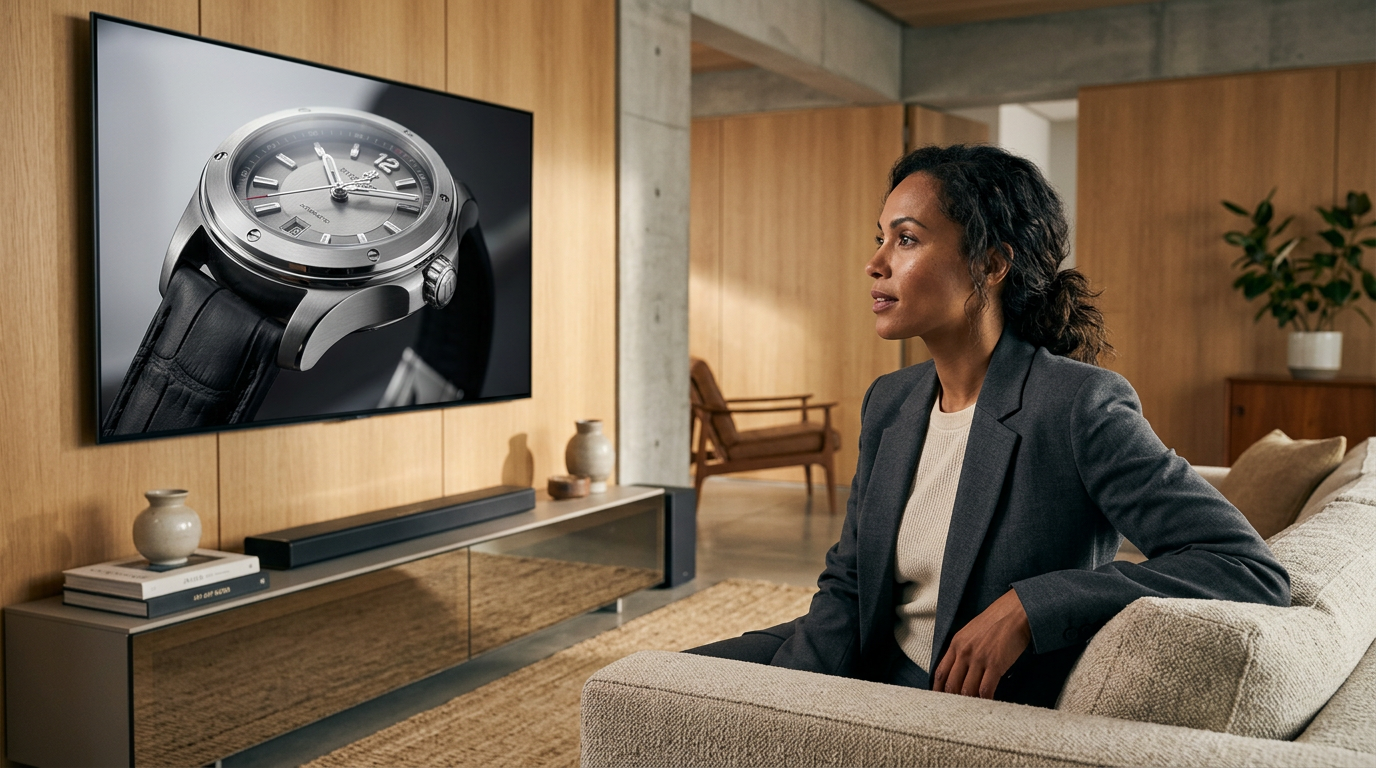
That matters because YouTube is no longer just a digital video platform in the old sense. It is increasingly functioning like premium TV inventory, especially in the living room. Google clearly sees that advertisers want TV-style reach with digital targeting and automation layered on top.
What VRC non-skip does well is simplify media buying. Instead of manually splitting budgets across formats and placements, advertisers can let Google optimize the mix based on audience and context. That reduces operational friction and makes YouTube more appealing for brands shifting budget away from traditional television.
This is especially important as connected TV continues to grow and more large advertisers look for scalable alternatives to linear TV. Non-skippable formats offer guaranteed exposure, which is valuable for brand campaigns focused on message delivery rather than optional engagement.
 The Creative Bar Just Got Higher
That said, non-skippable inventory comes with a clear challenge: if people have to watch the ad, the ad needs to earn that attention.
This is where many advertisers will either win or waste money. Forced views can lift completion rates, but they do not automatically improve brand outcomes. Weak creative can create fatigue quickly, especially in CTV environments where viewers expect polished, TV-quality storytelling.
So while the format expansion is a strong move from Google, success will depend heavily on:
- Creative quality
- Frequency management
- Campaign measurement
Reach is easy to buy. Positive impact is harder.
What These Updates Really Signal
Taken together, these launches show that Google is building an ad ecosystem where automation becomes the default, but controllable automation becomes the real advantage.
For Search and Performance Max, that means using AI to scale copy while protecting brand voice. For YouTube and CTV, it means using AI to assemble the most efficient mix of high-attention formats without forcing advertisers to manage every detail manually.
The upside is clear:
- More scale
- More personalization
- Potentially stronger performance
The tradeoff is just as clear. Advertisers need better systems for oversight. AI can move faster than teams can react when there are no guardrails in place.
That is the key point: these tools are growth levers, not set-and-forget efficiency engines. Used strategically, with the right inputs, testing, and measurement, they can unlock real gains. Treated as fully automatic solutions, they can just as easily create more volume with less control over profitability.
FAQ
What are Google AI Max text guidelines?
They are brand control settings that let advertisers use natural language instructions to guide AI-generated ad copy in Search and Performance Max campaigns.
Why do AI Max text guidelines matter?
They help advertisers reduce off-brand or risky messaging while still benefiting from automated copy generation at scale.
What are VRC non-skip ads?
They are non-skippable ad formats available in Video Reach Campaigns, including 6-second bumpers, 15-second non-skippable ads, and 30-second non-skippable connected TV placements.
Why is this launch important for advertisers?
It gives brands a simpler way to buy broad, guaranteed video attention across YouTube and CTV while letting Google optimize delivery across formats.
What is the main risk with these updates?
The biggest risk is overreliance on automation. Without strong inputs, creative oversight, and performance monitoring, advertisers can lose control of brand consistency and profitability.
Conclusion
Google’s expansion of AI Max brand controls and the global rollout of VRC non-skip ads both point to a maturing ad platform—one that wants to automate more while giving advertisers enough control to use that automation with confidence. The brands that benefit most will be the ones that pair Google’s systems with disciplined performance management, clear creative standards, and sharper ROAS visibility. If you want a better way to monitor and improve returns as these AI-driven campaign types evolve, ROAS Suite is a smart place to start.