Google Discover vs Traditional SEO: 2026 Strategy Pivot Revealed
I’ve watched SEO change for years, but 2026 feels like a genuine turning point. This is more than another algorithm tweak or ranking reshuffle. It looks like a structural split in how visibility works online. Traditional SEO was built to answer searches. Google Discover is increasingly built to anticipate interests. That difference matters a lot now.
The biggest catalyst is Google’s February 5, 2026 Discover Core Update, which many in the industry already see as a defining moment. Unlike standard core updates tied to Search, this one focused on Discover specifically. That alone suggests Google no longer sees Discover as a side channel. It’s becoming its own ecosystem, with its own rules, signals, and winners.
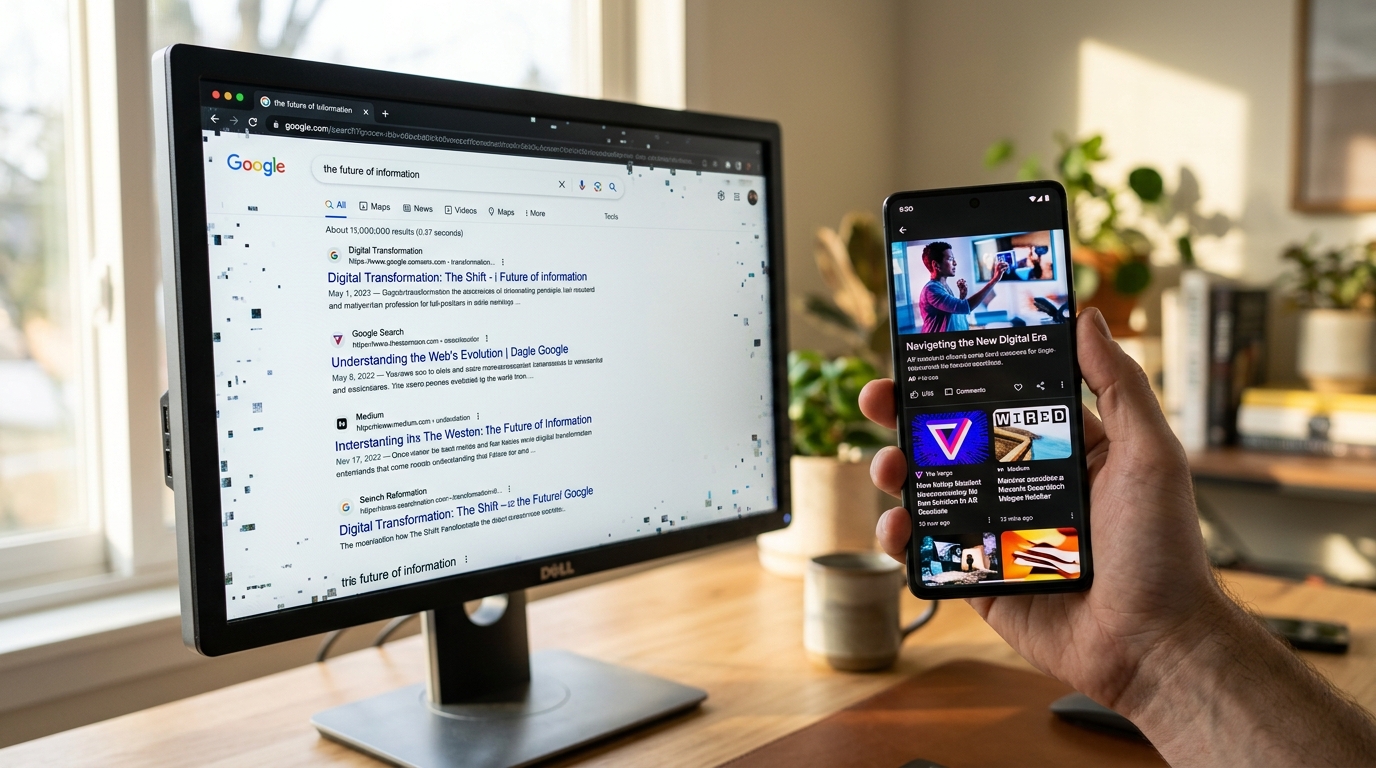 Why traditional SEO is losing ground
For years, the classic SEO model was simple: identify keywords, create pages, rank for queries, and capture clicks. That still works to a point, but it’s under pressure from two directions.
First, zero-click behavior keeps growing. With AI Overviews answering questions directly in search results, more users never visit a website at all. Some reports show that more than half of searches now end without a click, and that number jumps when AI Overviews appear. If your strategy relies entirely on ranking in search and waiting for traffic, you’re working inside a shrinking window.
Second, search is fragmenting. Discovery now happens across Google feeds, YouTube, TikTok, Instagram, Reddit, and AI assistants. Visibility is no longer just about blue links on a results page. It’s about whether your content gets surfaced, cited, or recommended before someone even decides to search.
What changed with the Discover update
The 2026 Discover Core Update made that divide official. Based on what I’ve reviewed, Google sharpened Discover around four major priorities:
- Less clickbait
- More local and contextual relevance
- Higher information gain
- Stronger technical and visual standards
The new clickbait classifier appears built to demote sensational, manipulative headlines. The old “you won’t believe what happened next” approach is quickly becoming more risky than effective.
The Local Anchor shift favors publishers with geographic alignment, which means relevance is no longer purely topical. It’s also situational and regional.
Then there’s Information Gain, one of the most important ideas in the update. Google seems to be rewarding content that adds something fresh, useful, or clarifying instead of repeating what’s already out there. Put simply, being accurate isn’t enough. You need to contribute something new.
On the technical side, Discover is pushing harder on experience quality. Large images, fast load times, and stable layouts are no longer nice extras if you want reach in the feed.
Google Discover is not Search with a different layout
This is where many brands are getting it wrong. They treat Discover like a bonus traffic source for content originally built for Search. That no longer seems to hold up.
Search is reactive. Someone asks a question, and Google returns options.
Discover is proactive. Google decides what to place in front of a user based on interests, behavior, engagement patterns, and trust signals.
That means keyword targeting alone won’t carry content into Discover. Success leans much more on topic authority, visual appeal, entity trust, mobile usability, timeliness, and editorial relevance.
In practical terms, that changes the content strategy. Instead of asking, “What keyword should I rank for?” the better question is, “What topic cluster can I become trusted for, and what angle can I publish that feels timely, original, and genuinely useful?”
The real 2026 pivot: from ranking pages to building retrievable authority
The smartest way to frame this shift is that visibility is becoming retrieval. That applies not just to Discover, but also to AI search experiences and answer engines.
If Google, ChatGPT, or another AI system is going to surface your brand, your content has to look credible, coherent, and citable. That’s a different bar from simply being optimized.
So the 2026 pivot is bigger than “do Discover SEO.” It’s really about building a brand that search engines, feeds, and AI systems trust enough to recommend.
That means:
- Publishing around clear topical clusters
- Using real expert perspectives instead of generic summaries
- Supporting claims with quotes, data, and unique insights
- Improving author identity and schema signals
- Investing in visuals that feel original rather than stock
- Strengthening mobile UX and performance
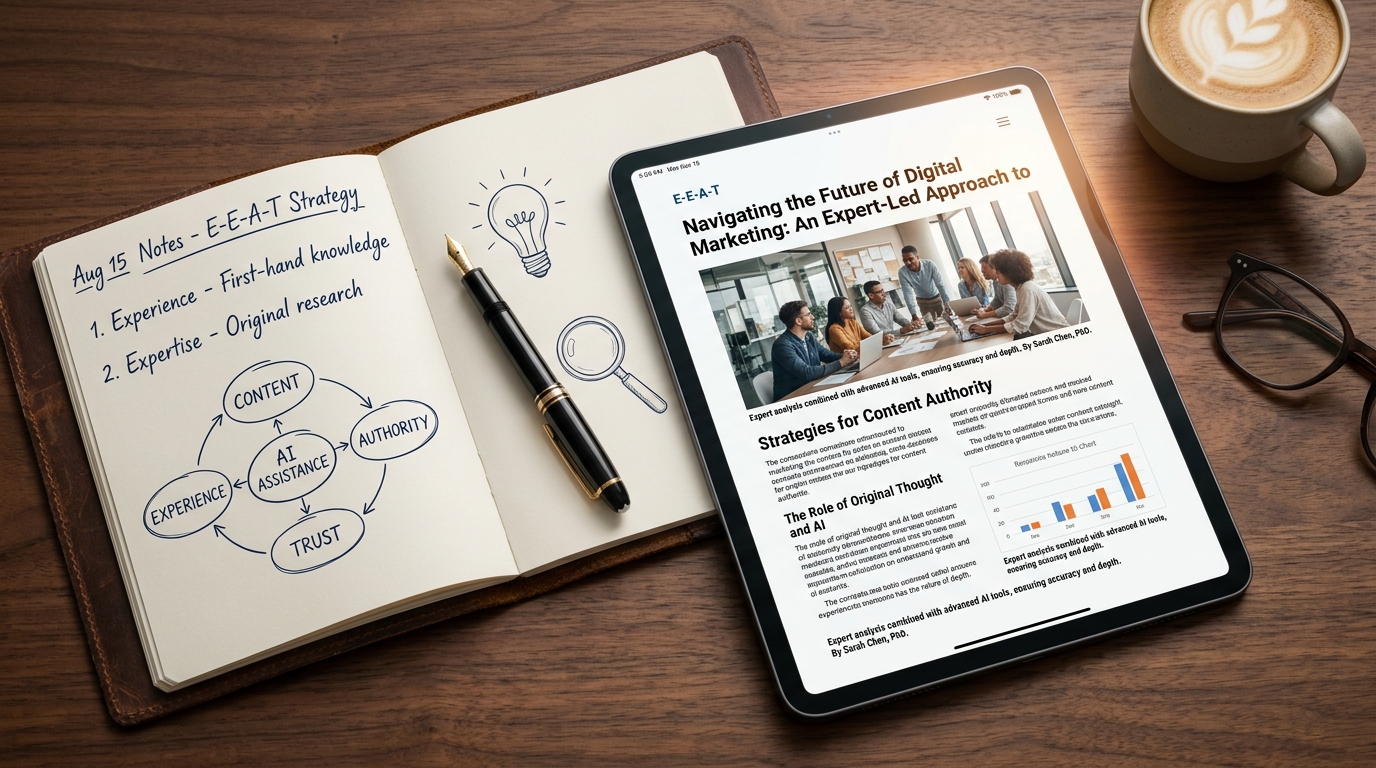
In this environment, E-E-A-T is no longer abstract guidance. It’s operational.
 Who wins and who loses
The early signals are already pretty clear. Publishers relying on thin posts, generic affiliate pages, or inflated headlines are getting squeezed. Meanwhile, brands producing visual, expert-led, experience-backed content are seeing stronger Discover traction.
That also helps explain why some major publishers reportedly saw steep Discover traffic drops after the update. Discover has always been volatile, but that volatility becomes dangerous when your content model is built on scale without substance.
I think the winners in 2026 will be the ones who combine three things well:
- Authority — recognized expertise and consistent topical depth
- Originality — content that adds information instead of recycling it
- Presentation — strong visuals, mobile performance, and clean UX
That combination is increasingly what both Google Discover and AI-driven visibility systems appear to reward.
My take on what brands should do next
If I were adjusting strategy right now, I wouldn’t abandon traditional SEO. That would be a mistake. Search still matters. But I would stop treating it as the only game in town.
Instead, I’d rebalance around a hybrid model:
- Keep core search pages for intent capture
- Build Discover-ready editorial content for interest demand
- Create assets AI systems can quote and cite
- Strengthen brand entity signals across platforms
- Plan content around trends before they peak, not after
This matters most for businesses that already feel SEO fatigue. Chasing rankings in a zero-click world can feel like working harder for smaller returns. Discover offers a different path, but only if the content is built for how the feed actually works.
The old playbook was about ranking answers. The new one is about becoming the source platforms want to surface.
FAQ
Is traditional SEO still worth investing in during 2026?
Yes. Traditional SEO still matters for capturing high-intent searches. The shift is that it should now sit alongside Discover, AI visibility, and broader brand authority efforts instead of carrying the whole strategy alone.
What kind of content performs better in Google Discover?
Content that tends to perform well in Discover is timely, visually strong, mobile-friendly, trustworthy, and genuinely useful. It also helps if the content adds fresh insight rather than repeating what others have already published.
How is Discover different from regular Google Search?
Search responds to a user query. Discover recommends content before the user searches, based on interests, behavior, context, and trust signals. That changes what gets visibility and why.
What does “retrievable authority” mean?
It means building content and brand signals that systems like Google Discover, Search, and AI assistants can easily recognize as credible enough to surface, cite, or recommend.
Conclusion
To me, the 2026 strategy pivot is clear: traditional SEO is no longer enough on its own, and Google Discover is no longer optional for brands that want future-facing visibility. The brands that adapt now will build stronger reach across feeds, search, and AI-driven discovery. Those still relying on keyword-only tactics will keep losing ground. If you want a smarter way to create authority-first content for this new landscape, I’d recommend exploring AIuthority as part of your next move.