Google and Sea Develop AI Tools for E-Commerce and Gaming
The new partnership between Google and Sea looks like more than another corporate AI announcement. It signals that Southeast Asia is becoming one of the most important testing grounds for practical AI in commerce, gaming, and digital payments.
Sea, the company behind Shopee, Garena, and SeaMoney, has already built a powerful digital ecosystem across a mobile-first region with more than 600 million consumers. Google adds AI infrastructure, research depth, and platform reach. Together, they are moving into what many see as the next stage of adoption: agentic AI.
 Why this partnership matters
The official announcement, made on February 19, 2026, expands a relationship that had already been taking shape through earlier collaborations. Shopee had worked with YouTube on shopping integrations, and Garena has long-standing ties to Google Play through Free Fire. Sea also moved toward broader AI adoption in late 2025 through its OpenAI partnership.
What makes this latest step stand out is its breadth. This is not a one-off feature launch. It is a coordinated push across e-commerce, gaming, and fintech.
That matters because AI is no longer being treated as a standalone tool. It is becoming part of the operating layer for how digital platforms attract users, support sellers, improve internal productivity, and handle transactions.
Shopee’s push into agentic shopping
The biggest headline is Shopee’s work on an AI shopping agent prototype. Instead of only responding to search queries, agentic AI is built to complete multi-step tasks for users. That could include helping shoppers discover products, compare options, answer questions, and move through checkout with less friction.
For consumers, that could mean a faster, more personalized experience. For sellers, the impact may be even bigger.
This is where the real competitive pressure begins. Across Southeast Asia, many merchants are still early in their AI adoption. If platform-level AI starts handling product catalog creation, description writing, multilingual customer support, and ad testing, sellers who adopt those tools will likely move much faster than those who do not.
That is why this partnership matters beyond the headline. It could help standardize AI-enabled selling across one of the world’s fastest-growing digital commerce markets.
Garena and the future of AI in gaming
The gaming side of the partnership is just as compelling. Garena is expected to use Google’s AI capabilities to improve development productivity and player experiences, with early-access pilots already referenced.
This looks more practical than flashy. AI in gaming does not have to replace creativity. It can help teams iterate faster, streamline workflows, generate assets more efficiently, and improve live operations. For a company like Garena, which competes in demanding gaming markets, even modest productivity gains can create a meaningful edge.
If these pilots deliver, they could point to a future where AI is deeply embedded in game production pipelines, especially for mobile-first publishers that need to move quickly and operate at scale.
SeaMoney and agentic payments
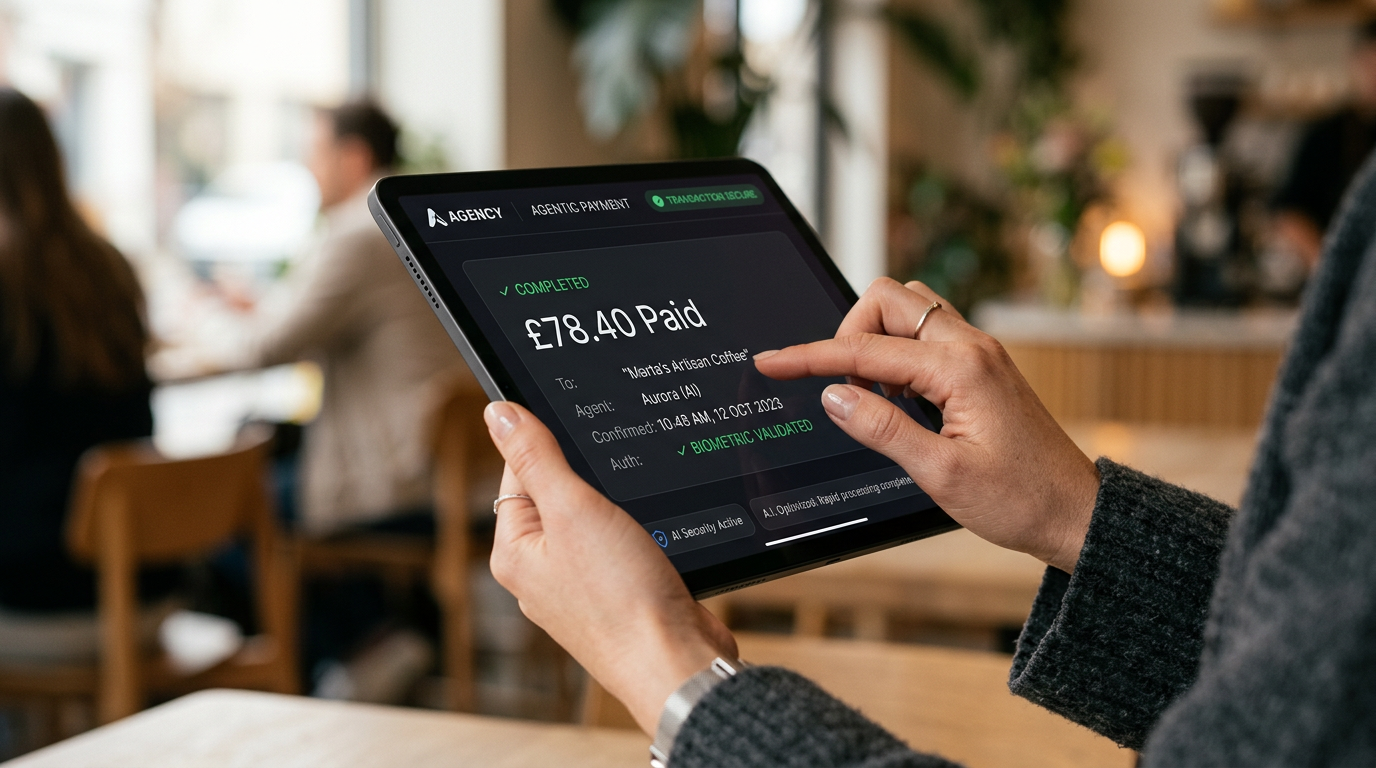
One of the less talked-about but potentially significant parts of the partnership is SeaMoney’s role. Sea plans to work with Google on agentic payments using Google’s Agent Payments Protocol, or AP2.
This is where the story gets bigger than e-commerce or gaming alone. If AI agents are going to help users shop, compare products, and complete purchases, payment systems have to evolve with them. Secure and trusted agentic payments could become a foundational layer of future digital commerce.
In Southeast Asia, where digital wallets and mobile payments are already part of everyday life, this pilot could become a strong model for how AI-assisted purchasing works in real markets.
 A competitive response to a fast-moving market
This partnership is also arriving at the right time. Shopee remains the e-commerce leader across much of Southeast Asia, but competition is intense. TikTok Shop is still aggressive, and Alibaba’s Lazada had launched its own agentic AI initiatives shortly before this announcement.
Sea and Google both appear to understand the same thing: AI is quickly becoming a competitive necessity, not a side experiment. The companies that can build AI directly into shopping journeys, seller operations, and platform services will have a far better chance of keeping users engaged and protecting margins.
That is especially true in Southeast Asia, where consumers are highly mobile-first and often bypass the slower adoption patterns seen in more mature desktop-heavy markets. In many ways, this region may be one of the fastest places for agentic AI to move from concept to habit.
What business leaders should take from this
This deal is not just another big-tech partnership. It highlights a broader lesson for brands, marketplaces, and digital operators: AI implementation is becoming an execution game.
The winners will not be the companies that talk most about AI. They will be the ones that use it to cut operational drag, improve customer responsiveness, speed up testing, and personalize experiences at scale.
- For marketplaces: AI can improve seller tools, customer journeys, and conversion rates.
- For gaming companies: AI can streamline development and strengthen live operations.
- For fintech players: AI-ready payment infrastructure may become a critical competitive advantage.
That helps explain why reactions from analysts and industry observers have been mostly positive. Even with some stock volatility after the news, the long-term view remains favorable because Sea is not being displaced by AI. It is working to operationalize AI inside an already dominant ecosystem.
FAQ
What is agentic AI in this partnership?
Agentic AI refers to systems that can take action on a user’s behalf, not just answer questions. In this case, that could mean helping shoppers find products, compare options, and complete purchases.
Why is Southeast Asia important for this rollout?
Southeast Asia is highly mobile-first, digitally engaged, and already comfortable with e-commerce and digital wallets. That makes it a strong environment for testing and scaling practical AI use cases.
How could Shopee sellers benefit?
Sellers could gain access to AI tools for catalog creation, product descriptions, multilingual support, and ad testing, helping them operate faster and more efficiently.
What role does SeaMoney play?
SeaMoney is involved in developing agentic payments with Google’s AP2 protocol, which could support secure AI-assisted transactions.
Conclusion
The Google-Sea partnership offers a clear view of where digital business is heading. E-commerce, gaming, and payments are starting to converge around AI systems that do more than assist; they can act. That raises the bar quickly for brands and sellers. In a market that is becoming more automated, performance-driven, and competitive, the advantage will go to teams that use AI in ways that produce measurable results. For businesses looking to improve efficiency and advertising returns in that environment, ROAS Suite is a smart place to start.