Google AI Overviews to Enable AI-Generated Images
Google has taken another clear step in turning Search from a discovery tool into a creation tool. In its July 14, 2026 announcement, the company revealed that AI Overviews will now let users generate images directly inside Search. That may be one of the strongest signs yet that Google no longer wants to only help people find content on the web. It wants to create useful content on the spot.
The update arrives as part of Google Images’ 25th anniversary, but this is more than a flashy new feature. It changes the role of search itself.
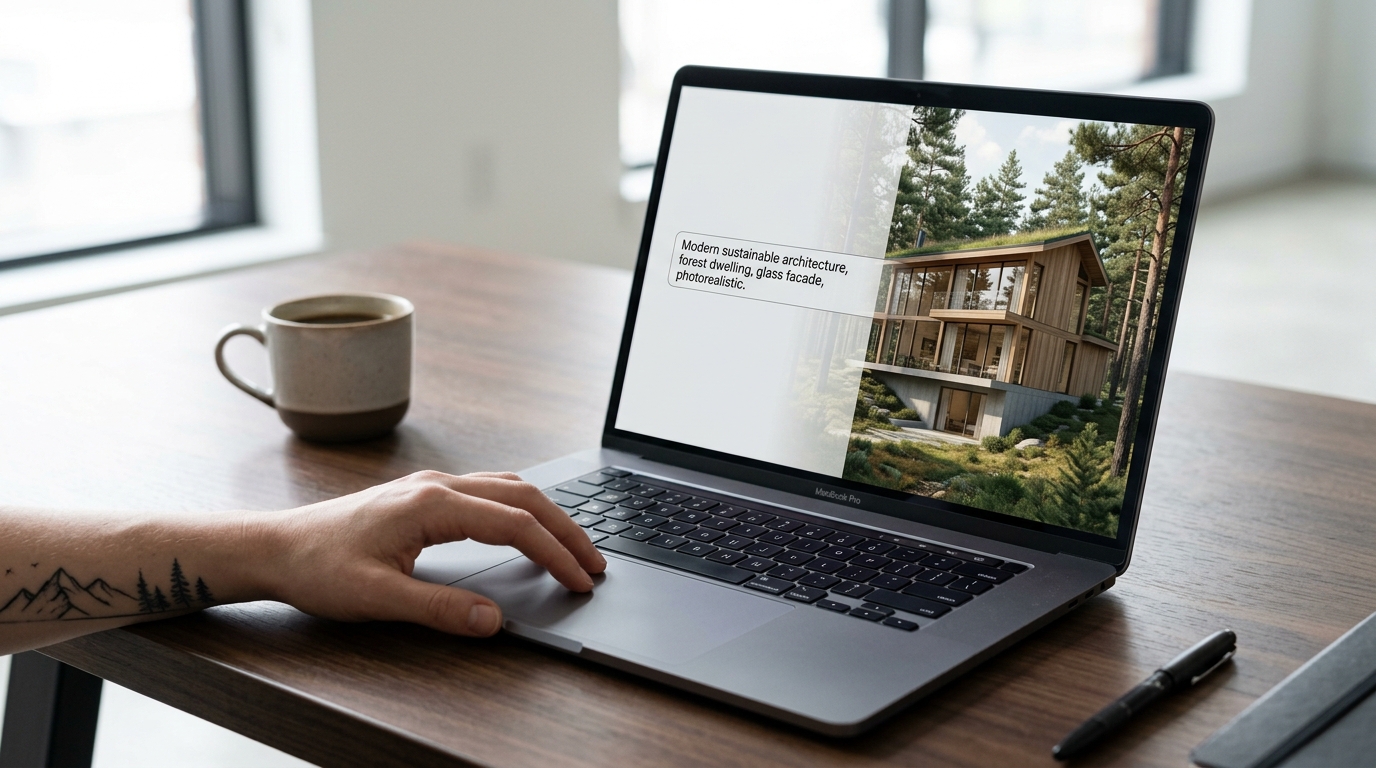 A New Phase for Google Search
AI Overviews have already changed how people use Google by placing summarized answers at the top of results pages. Adding image generation pushes that experience beyond text and into fully multimodal output.
Instead of searching for an existing image, users will increasingly be able to describe what they want and get a newly created visual right in the results. That’s a meaningful shift. Search is no longer limited to retrieving information; it’s starting to generate it.
Google says the feature is powered by its latest Nano Banana model, part of the broader Gemini image generation family. These models have been spreading across Google’s ecosystem for a while, so their arrival in AI Overviews feels like the next logical move. The bigger point is where they now show up: directly in the place where billions of searches begin.
Why This Matters
For users, the appeal is straightforward. If I need a concept image, a visual for inspiration, or a quick creative mockup, generating one inside Search is faster than bouncing between websites, stock libraries, and design tools. It shortens the distance from idea to output.
For publishers and marketers, though, the implications are more complicated.
Each time Google answers a query more completely inside its own interface, the reason to click elsewhere gets weaker. If AI Overviews can now generate not just summaries but original visuals too, image-based traffic could take another hit. Publishers that once benefited from visibility in Google Images may find users have even fewer reasons to leave Google’s environment.
This is more than a product update. It’s a traffic and visibility story.
The Bigger Industry Impact
I see three immediate consequences from this rollout.
1. More zero-click behavior
AI Overviews have already reduced clicks for some informational searches. AI-generated images add another layer to that pattern. Users who once searched for reference visuals, blog graphics, or product inspiration may now stay inside Google’s interface from start to finish.
2. Greater value for original visuals
As AI-generated imagery becomes easier to access, brands will need to invest more in visuals that are hard to copy: proprietary photography, original illustrations, product-specific assets, and highly contextual media. Generic imagery becomes easier to replace. Distinctive imagery becomes more valuable.
3. SEO continues shifting toward GEO
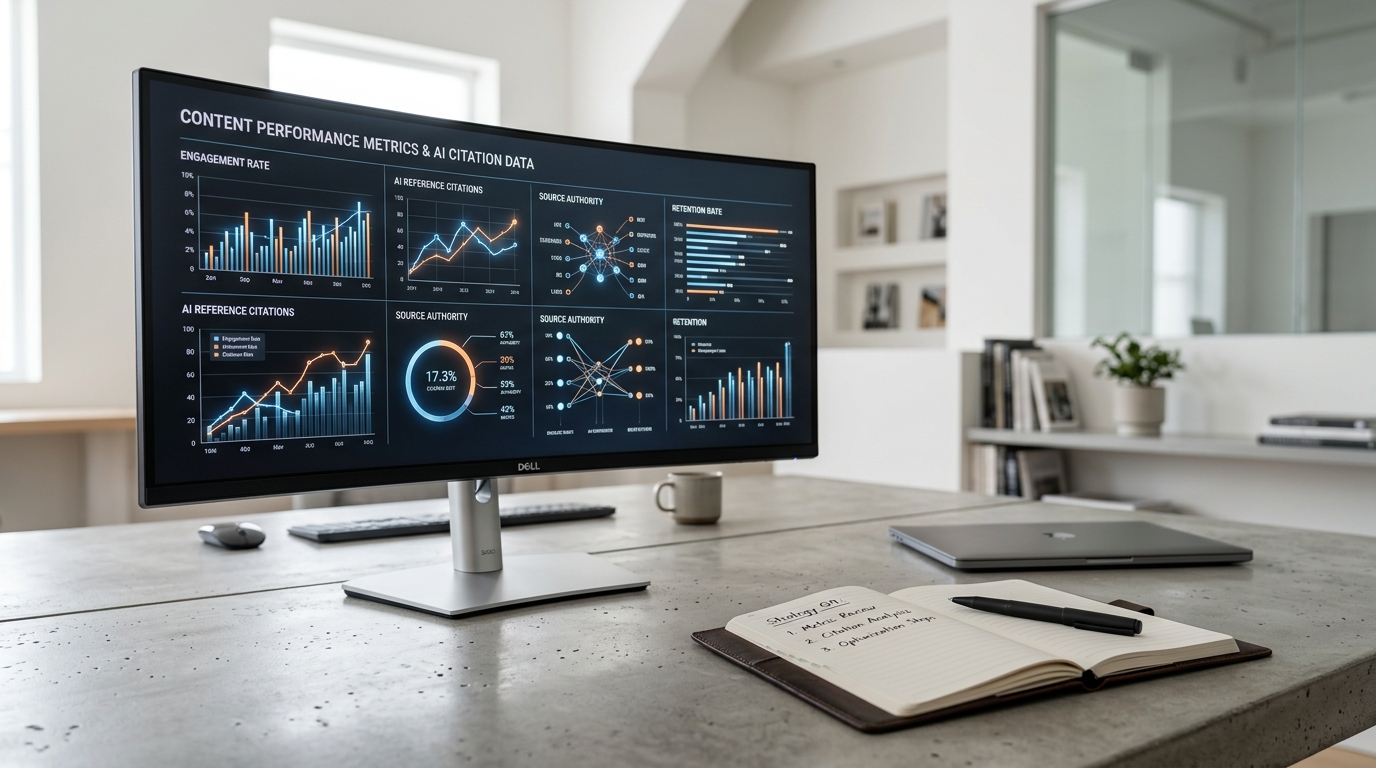
Traditional rankings still matter, but citation-worthiness is becoming its own discipline. Generative Engine Optimization, or GEO, is increasingly about being the source AI systems trust enough to reference. Paid visibility and earned AI visibility are not the same thing, and recent industry data keeps reinforcing that gap.
Put simply, you can buy ads, but you can’t automatically buy your way into becoming the answer.
 Google’s Broader Strategy Is Clear
This launch fits neatly into Google’s larger direction. Over the past few years, the company has rolled out Lens enhancements, multisearch, Circle to Search, AI Mode, and increasingly personalized visual experiences. It has been building toward a version of Search that is interactive, multimodal, and generative by default.
The simultaneous redesign of the Google Images homepage makes that even clearer. Google is rethinking not just what users search for, but how they experience search visually from the moment they arrive.
That should matter to anyone in media, e-commerce, publishing, or digital marketing. Platforms are no longer just indexing the web. They are becoming the first destination for synthesized answers and generated assets.
What Brands and Marketers Should Do Next
If I were advising brands right now, I’d focus on a few priorities:
- Create original, high-trust visual content that AI cannot easily substitute
- Strengthen authoritative written content that can earn citations in AI surfaces
- Track performance beyond classic organic metrics, especially as AI-driven journeys make attribution harder to follow
- Treat paid media, SEO, and GEO as connected but separate levers
This is as much a measurement problem as a content problem. As AI surfaces become more influential, businesses need better visibility into where traffic, mentions, and conversions are actually coming from.
FAQ
What is changing in Google AI Overviews?
Google is adding AI-generated image creation directly inside AI Overviews, allowing users to create visuals within Search instead of only finding existing images.
Why does this matter for publishers?
It could reduce outbound traffic. If users can get both answers and custom visuals without leaving Google, fewer of them may click through to publisher sites or image sources.
What does this mean for marketers?
Marketers will need to rely more on original, trusted assets and stronger authority signals. Visibility in AI-driven search experiences will increasingly depend on both content quality and citation potential.
Is traditional SEO still important?
Yes, but it is no longer the whole picture. Ranking matters, while GEO is becoming more important for brands that want to be cited or surfaced in generative search results.
Conclusion
Google’s decision to enable AI-generated images in AI Overviews marks a meaningful step in the evolution of Search. It makes things easier for users, but it also puts more pressure on publishers, creators, and marketers to stand out in a landscape where Google keeps more attention and action inside its own products. If you want to stay ahead of these AI-led shifts and make smarter decisions around visibility, content, and search strategy, tools like AIuthority are worth keeping in your workflow.