Google AI Mode Updates Recipe Search Results with More Creator Links
I’ve been tracking Google’s AI search rollout closely, and this change to recipe results stands out as one of its more meaningful corrections so far.
Google says it is updating AI Mode to better connect users with recipe creators across the web. That may sound like a minor interface change, but it touches a much larger issue in AI-powered search: how to give users quick answers without cutting off the publishers and creators who made the original content possible.
 Why this update matters
For months, recipe bloggers and food publishers have pushed back against what many in the industry started calling “Frankenstein recipes.” These AI-generated search experiences stitched together ideas, ingredients, or inspiration from multiple sources, often without giving users a clear path to the original creators.
The concern was not abstract. Many publishers reported steep traffic drops as AI Overviews and AI Mode increased zero-click behavior. In some cases, the declines were serious enough to raise questions about whether independent food sites could keep going at the same pace.
So when Robby Stein, Google Search’s VP of Product, said the company had “heard feedback” and was updating AI Mode to “better connect people with recipe creators,” it suggested Google recognizes the criticism and knows it has to respond.
What’s changing in AI Mode recipe results
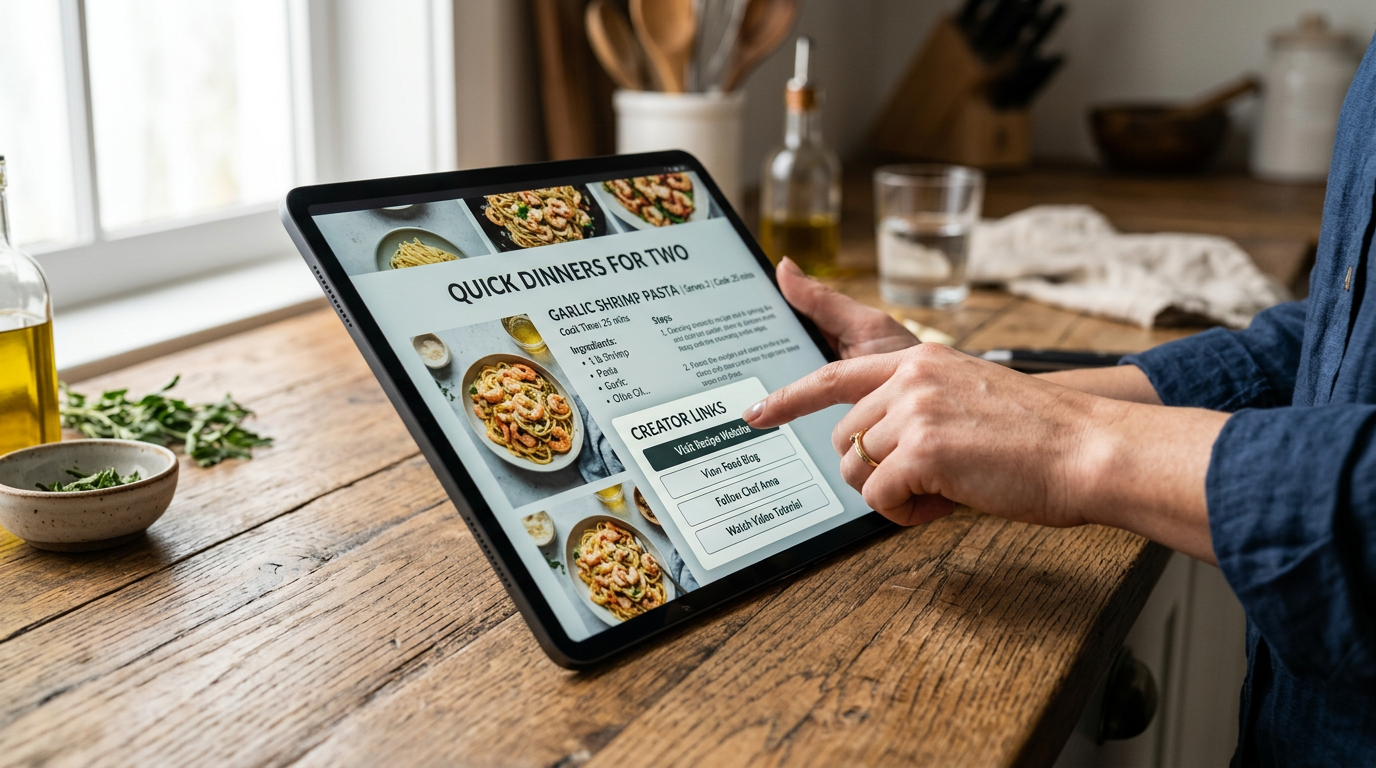
For searches such as “easy dinners for two,” users can now tap on a dish inside AI Mode and see links to relevant recipe sites along with a short summary of the dish.
Google also plans to expand useful details such as cook time, which testers reportedly found helpful when deciding what to make. That matters because recipe discovery is highly decision-driven. People are not just looking for inspiration. They want to know whether a meal works on a weeknight, matches their skill level, and comes from a source they trust.
This update appears to create a more creator-aware experience by giving recipe sites a clearer path back into the search journey.
A small change with bigger implications
This is more than a recipe feature. It’s a signal.
Recipes are one of the clearest examples of how AI search can be helpful and harmful at the same time. Helpful, because summarizing meal ideas can save time. Harmful, because recipes depend on nuance, authorship, testing, formatting, and trust. A dish is not just a list of ingredients. It reflects experimentation, storytelling, and expertise.
By making creator links more visible, Google is acknowledging that AI search cannot simply absorb creator value without giving something back in the form of attention, authority, and traffic.
That said, the underlying problem is not solved. Critics are right to note that this update does not eliminate the Frankenstein recipe issue. If AI continues synthesizing ideas in ways that blur ownership or flatten meaningful differences between creators, attribution alone will not end the debate.
Still, better linking is real progress.
 What this means for creators and SEO professionals
For recipe bloggers, this is the kind of update worth watching in analytics right away. It may not reverse losses overnight, but it could improve click-through opportunities in a category that has been hit especially hard by zero-click search behavior.
For SEO professionals, the message is getting clearer: Google is still testing how AI interfaces and open-web traffic can coexist. That means visibility inside AI experiences may increasingly depend on factors such as:
- Structured data
- Topical authority
- Strong brand signals
- Trust-focused content quality
This may also set a precedent for other verticals. If Google is willing to refine AI Mode for recipes after publisher backlash, similar pressure could influence how links appear in shopping, travel, health, and news results.
The bigger balancing act
At the center of all this is a question Google cannot avoid: can AI search stay useful, fast, and engaging while still supporting the ecosystem it depends on?
That is the balancing act. If AI Mode keeps users inside Google without sending meaningful traffic outward, creators will keep pushing back. If Google improves attribution and gives users better paths to click through, it has a stronger chance of maintaining trust with both users and publishers.
My view is that this recipe update is a small but important concession to reality. AI-driven discovery may shape the future of search, but the web still depends on creators. And creators need more than vague citations. They need real chances to be found, clicked, and credited.
FAQ
What changed in Google AI Mode for recipe searches?
Google updated AI Mode so users can tap on dishes in recipe-related searches and see links to relevant recipe websites, along with short overviews and, in some cases, details like cook time.
Why are recipe creators concerned about AI search?
Many creators say AI search can combine ideas from multiple sources without making original publishers easy to find, which can reduce traffic and increase zero-click searches.
Will this update solve the traffic problem for food publishers?
Not completely. It may improve click-through opportunities, but it does not fully address broader concerns around attribution, ownership, and AI-generated synthesis.
What should SEO professionals take from this update?
It reinforces that visibility in AI-driven search may depend on strong structured data, topical authority, branding, and trust signals, especially in content-heavy verticals.
Conclusion
Google’s AI Mode recipe update is a step in the right direction, even if it is far from a complete fix. More creator links, clearer paths to recipes, and added context such as cook time suggest Google is trying to make AI search more sustainable for the publishers behind the content. For teams trying to keep up with rapid AI search changes and turn them into practical strategy, AIuthority is a smart place to start.