Fullpath Reports 15x Surge in Dealer Website Traffic from AI Platforms
Automotive retail keeps shifting, but Fullpath’s latest Auto Intelligence Index is a true inflection point: dealer websites saw more than a 15x year-over-year jump in referral traffic from generative AI platforms in January 2026 versus January 2025. This isn’t a novelty channel anymore. It’s a clear sign that how shoppers discover inventory is changing fast.
Put simply: the search bar isn’t the only front door. More and more, the conversation is.
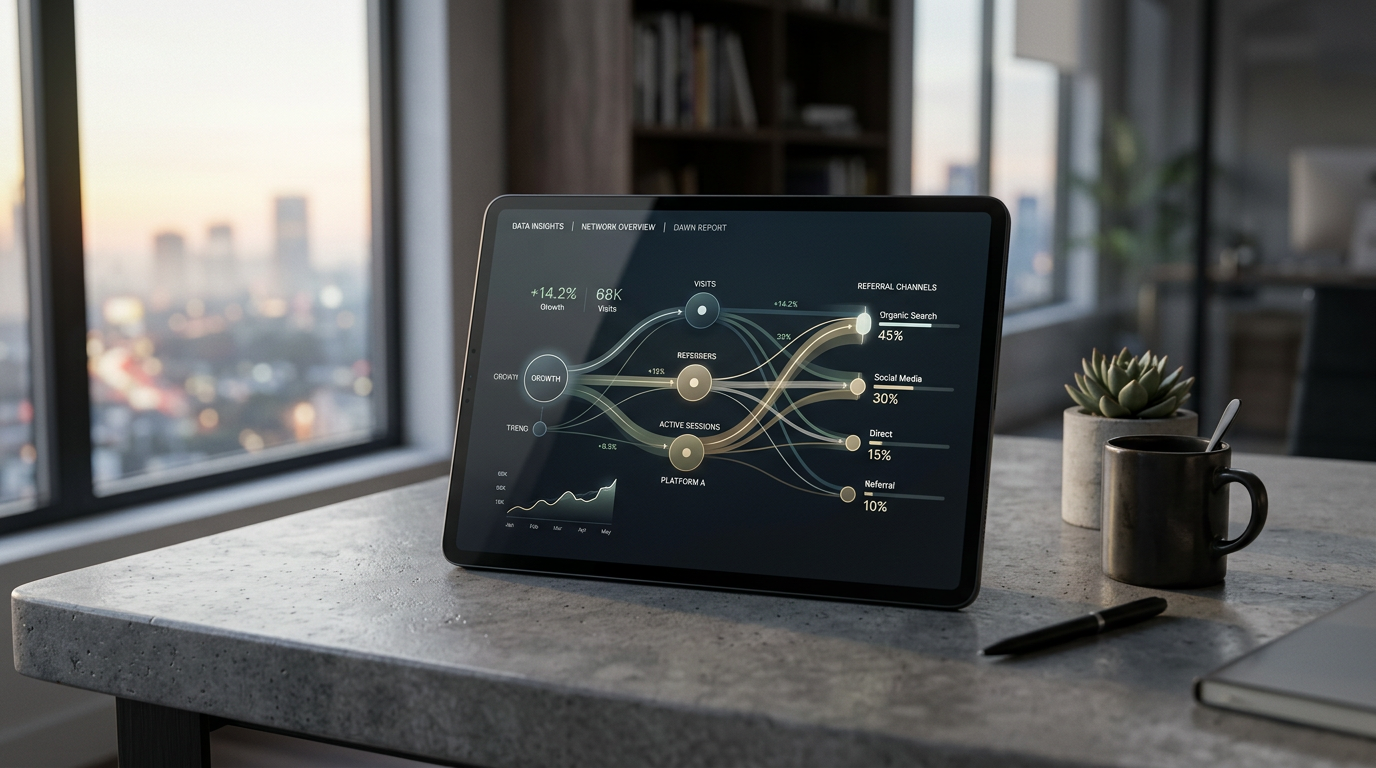 The data point that matters: AI referrals are now “real traffic”
Fullpath’s January 2026 reporting—based on anonymized insights across a nationwide network of franchised dealers—shows generative AI referrals surging year over year, even with a small month-over-month dip from December’s holiday peak.
The platform mix is also shifting, and that matters:
- ChatGPT drove ~89% of AI referrals (down from earlier peaks around ~95%), but it’s still the clear leader.
- Gemini grew ~50% month over month, increasing its share from roughly 4% to about 6.5%.
- Perplexity sat around 4% share, notably lower than its share a year earlier.
- Claude and Grok showed up as emerging sources that effectively weren’t present in the prior-year comparison.
That spread is the real takeaway. AI-driven traffic won’t stay a one-platform game. Dealers should think in terms of “AI platforms” the same way they learned to plan for social and paid search—multiple players, shifting shares, and no single source you can afford to ignore.
Why this changes the funnel (and raises the bar for your website)
Here’s what many teams will miss: AI doesn’t just send traffic—it pre-filters it.
Shoppers arriving from an AI assistant often show up with tighter intent: specific trims, price targets, must-have features, and comparisons already done. Fullpath CEO Aharon Horwitz described AI as “the new front door” to automotive retail, and the logic holds. That front door is sending people who think they already know what they want—and they’re looking for confirmation, not a long browsing session.
That has immediate implications:
- Vehicle Detail Pages (VDPs) become the closer, not the brochure. If AI narrows the funnel upstream, the VDP has to finish the job with sharp merchandising, strong photos, accurate options, and fast load times.
- Accuracy stops being optional. If an AI-referred shopper clicks through and sees mismatched pricing, stale availability, or thin content, they leave—and they usually don’t “shop around” your site the way old-school organic visitors might have.
- Speed-to-lead gets even more expensive to get wrong. If the shopper is already down-funnel, response time isn’t a process metric. It’s a conversion lever.
The bigger market backdrop: inventory and budgets are moving, too
This AI-traffic spike isn’t happening in a vacuum. Fullpath’s Index points to broader market pressure (and opportunity) at the same time:
- New-vehicle days supply rose ~17.5% month over month (Dec–Jan) while staying relatively flat year over year.
- Several brands posted notable dealer-website traffic gains (for example, Stellantis +29% YoY, Hyundai +34% YoY, Honda +23% YoY).
- OEM marketing budgets appear to be shifting in meaningful pockets—Toyota up month over month and year over year, Mercedes-Benz/Daimler sharply up MoM, and JLR more than doubling YoY in spend.
When supply rises and competition tightens, execution matters more. Dealers who align marketing, inventory, and website performance quickly protect margin. The rest end up trying to discount their way out.
 What I’d do right now if I were running dealer marketing
If AI is now a real top-of-funnel source, the question is what changes first. Here’s my Monday-morning shortlist:
- Treat AI referrals as their own channel in reporting. Don’t bury it inside “referral traffic.” Break it out, track it weekly, and compare conversion behavior against search, paid, and third-party sources.
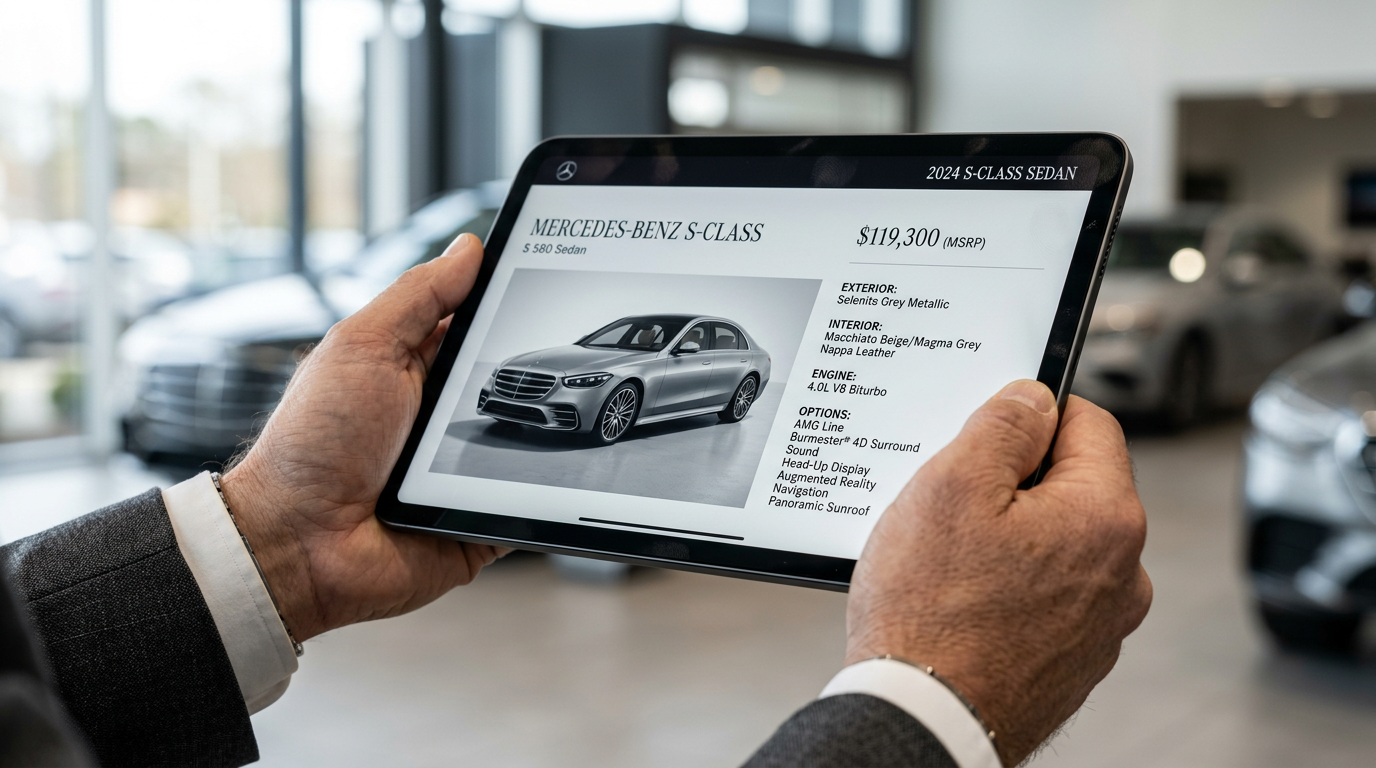
- Audit VDP quality like it’s your showroom. Photos, pricing clarity, equipment lists, incentives, disclaimers, page speed—VDPs need to answer questions instantly because the visitor is already primed.
- Align spend with inventory conditions—not habits. Rising days supply should trigger smarter budget decisions and tighter targeting, not blanket discounting.
- Build a response layer that doesn’t drop the ball. Better-qualified traffic only helps if your operation can respond fast and consistently.
FAQ
Why are AI platforms sending more traffic to dealer websites?
More shoppers are using AI assistants to research vehicles, compare trims, and narrow options. When the assistant recommends a specific listing or dealer page, the click becomes a referral visit—often with stronger intent than a typical top-of-funnel search.
Which AI platform is sending the most dealer traffic right now?
In Fullpath’s January 2026 snapshot, ChatGPT drove the majority of AI referrals (~89%), with Gemini growing quickly and other tools like Perplexity, Claude, and Grok contributing smaller shares.
What dealer pages matter most for converting AI-referred shoppers?
VDPs are critical. AI-referred visitors tend to arrive with specific expectations, so pricing accuracy, options/equipment accuracy, strong photos, and fast load times directly affect whether they submit a lead or bounce.
Conclusion: the new front door is open—make sure you’re ready for who’s walking in
The 15x surge Fullpath reported looks less like a spike and more like a behavior change. Shoppers are outsourcing research to AI, arriving at dealer sites more decisive, and expecting the website to confirm—not contradict—what they’ve already learned.
The winners won’t be the stores with the most traffic. They’ll be the stores that convert narrower-intent visits with better pages, faster follow-up, and cleaner measurement. If you want a practical way to track performance and tighten conversion across emerging channels, take a serious look at ROAS Suite as part of your stack to keep spend accountable and outcomes clear.