Forbes Highlights AI Search Shift and the Growing Need for Topical Authority
I’ve watched search evolve for years, but this isn’t just another algorithm update. It’s a structural change. Forbes recently underscored that reality in Joshua George’s article, “Search Has Shifted To Generative AI—Is It Recommending Your Brand?” The piece captures what many brands are only starting to realize: ranking well is no longer enough. If AI-generated answers are becoming the first touchpoint, the real question is whether your brand is being cited, summarized, and recommended at all.
That creates a very different visibility challenge.
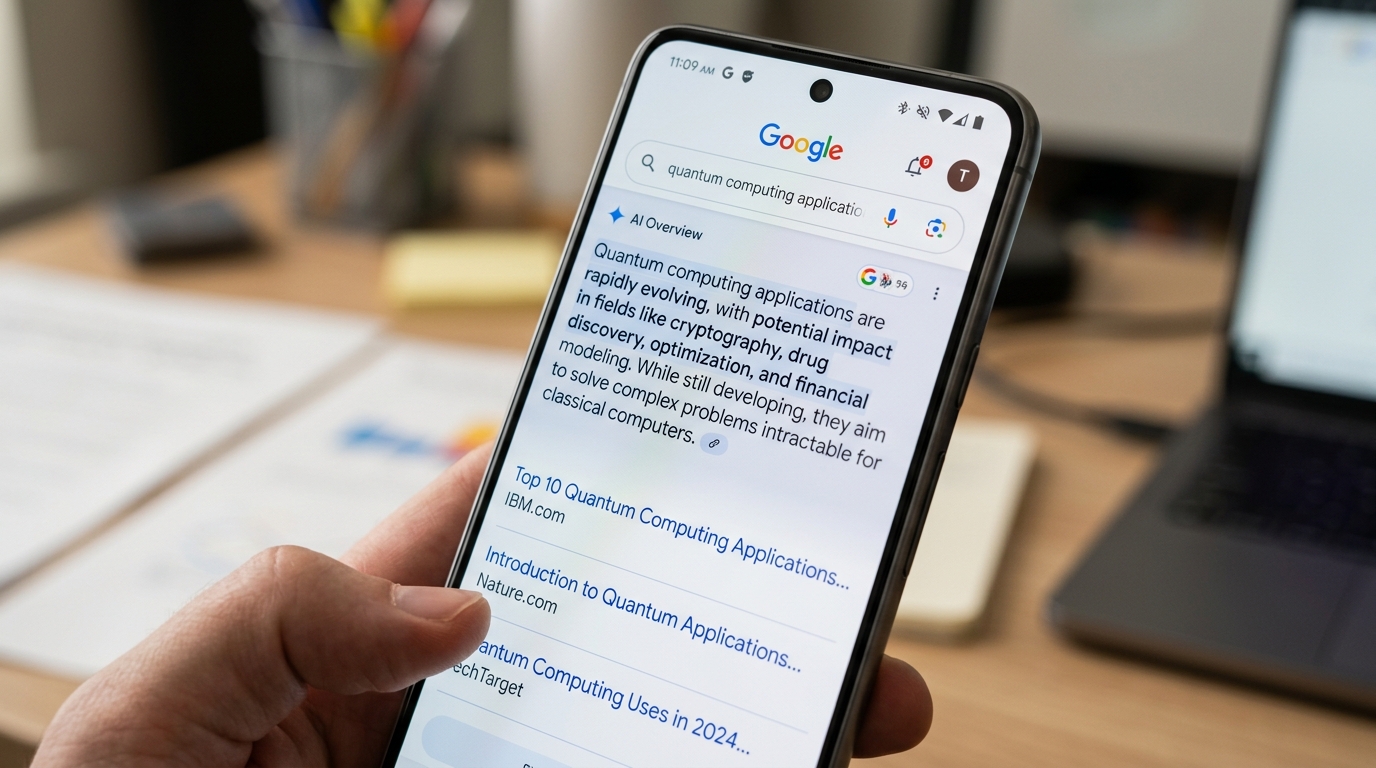 Search is moving from links to answers
The rise of Google AI Overviews, along with growing reliance on tools like ChatGPT and Perplexity, has changed how people find information. Instead of working through a list of blue links, users are increasingly presented with direct summaries. In many cases, the answer shows up before a single website visit ever happens.
The data behind this shift is difficult to dismiss. Research from Pew and Seer Interactive points to meaningful drops in click-through rates when AI summaries appear. In some cases, organic CTR falls sharply. That means a brand can still technically “rank” while losing traffic, influence, and conversions if AI interfaces don’t surface it.
From where I sit, this is the biggest wake-up call in digital visibility since mobile-first search.
Why topical authority matters more than ever
What stood out most in the Forbes coverage was its focus on topical authority. That’s exactly right. Generative AI systems aren’t just scanning for isolated keywords. They’re trying to determine which sources are consistently trustworthy, relevant, and comprehensive within a subject area.
A handful of optimized pages won’t carry a brand the way they once did. To earn visibility in AI-driven search, a brand has to show depth.
Topical authority comes from building a connected body of content around a subject, not publishing random one-off blog posts. It also depends on trust signals such as backlinks, citations, clear site structure, strong brand mentions, and credible supporting content. Put simply, AI search rewards businesses that look and read like real authorities, not those simply chasing rankings.
SEO isn’t dead, but it is being redefined
This isn’t the end of SEO. It’s an expansion of it.
The fundamentals still matter: technical health, crawlability, structured data, internal linking, useful content, and off-page authority. But now those fundamentals have to support something bigger. They need to help search engines and AI systems understand not just what a page says, but why a brand deserves to be referenced in an answer.
That’s where answer engine optimization, or AEO, becomes essential. It complements SEO rather than replacing it. If SEO helped brands win rankings, AEO helps them win recommendations.
That distinction matters because AI tools behave more like researchers than traditional search engines. They look for recent, reliable, well-structured sources. They compare sentiment, weigh consistency, and pull patterns from multiple signals.
So the goal is no longer just page-one visibility. It’s recommendation visibility.
 The hidden risk: invisibility even when performance looks strong
One of the biggest implications of this shift is that traditional success metrics can become misleading. A brand may still hold decent rankings, solid impressions, or historical domain strength, but if AI-generated answers keep users inside the platform, those advantages can erode quickly.
Many businesses also underestimate how AI surfaces reputation signals. A company with plenty of positive reviews can still be left out if recurring negative themes shape the broader narrative. Authority is no longer just about what you publish on your own site. It’s also about what the wider web says about you and whether your brand story is coherent enough for AI systems to trust.
That’s why topical authority and brand authority are becoming inseparable.
What smart brands should do next
If I were advising a brand preparing for this new search landscape, I’d focus on a few priorities:
- Build content clusters around core topics instead of isolated keywords
- Strengthen EEAT signals with expert-led, experience-backed content
- Use schema, FAQs, and structured formatting to improve machine readability
- Earn trustworthy mentions through PR, reviews, and third-party validation
- Monitor AI-generated answers, not just traditional SERPs
- Address weak sentiment areas before AI systems amplify them
The brands that adapt fastest will stop thinking only in terms of rankings and start thinking in terms of relevance, trust, and retrievability across AI ecosystems.
FAQ
What is topical authority?
Topical authority is the credibility a brand earns by covering a subject in depth with connected, useful, and trustworthy content. It signals to search engines and AI systems that the brand is a reliable source on that topic.
How is AI search different from traditional search?
Traditional search mainly returns links for users to explore. AI search increasingly delivers direct answers, summaries, and recommendations, often reducing the need for users to click through to websites.
Does this mean SEO no longer matters?
No. SEO still matters, but it now has to work alongside AEO. Strong technical SEO and content fundamentals remain essential, but brands also need to optimize for being cited and recommended in AI-generated answers.
Why are rankings no longer enough?
Because users may never reach the search results page in the same way they used to. If AI tools answer the question immediately and don’t mention your brand, strong rankings alone may not translate into traffic or conversions.
What should brands measure now?
Brands should still track rankings and traffic, but they also need to monitor AI visibility, brand mentions in AI-generated answers, sentiment across the web, and how often they are cited as a trusted source.
Conclusion
Forbes is right to treat this as a turning point. Search has changed, and topical authority is no longer optional. It’s becoming the foundation of discoverability in an AI-first environment. The brands that win from here will be the ones that build genuine authority across topics, formats, and platforms instead of relying on outdated visibility tactics. For teams looking to strengthen that authority and adapt their content strategy for AI-driven discovery, AIuthority is a smart place to start.