Forbes: AI Is Rewriting the Economics of Streaming Advertising
I’ve watched the streaming ad market evolve for years, and Forbes’ recent reporting on how AI is reshaping its economics brings a long-building reality into focus: reach by itself no longer carries the same value.
The old television model ran on scarcity. Prime-time inventory was limited, demand was concentrated, and premium pricing followed. Streaming changed that. Instead of scarcity, the market now runs on abundance—ad-supported tiers, FAST channels, connected TV apps, and fragmented audiences spread across devices and platforms. More inventory created more opportunity, but it also created a new problem: not every impression is equally valuable, and advertisers are no longer willing to pay as if it is.
That’s where AI matters—not as a slogan, but as the system that can finally separate volume from value.
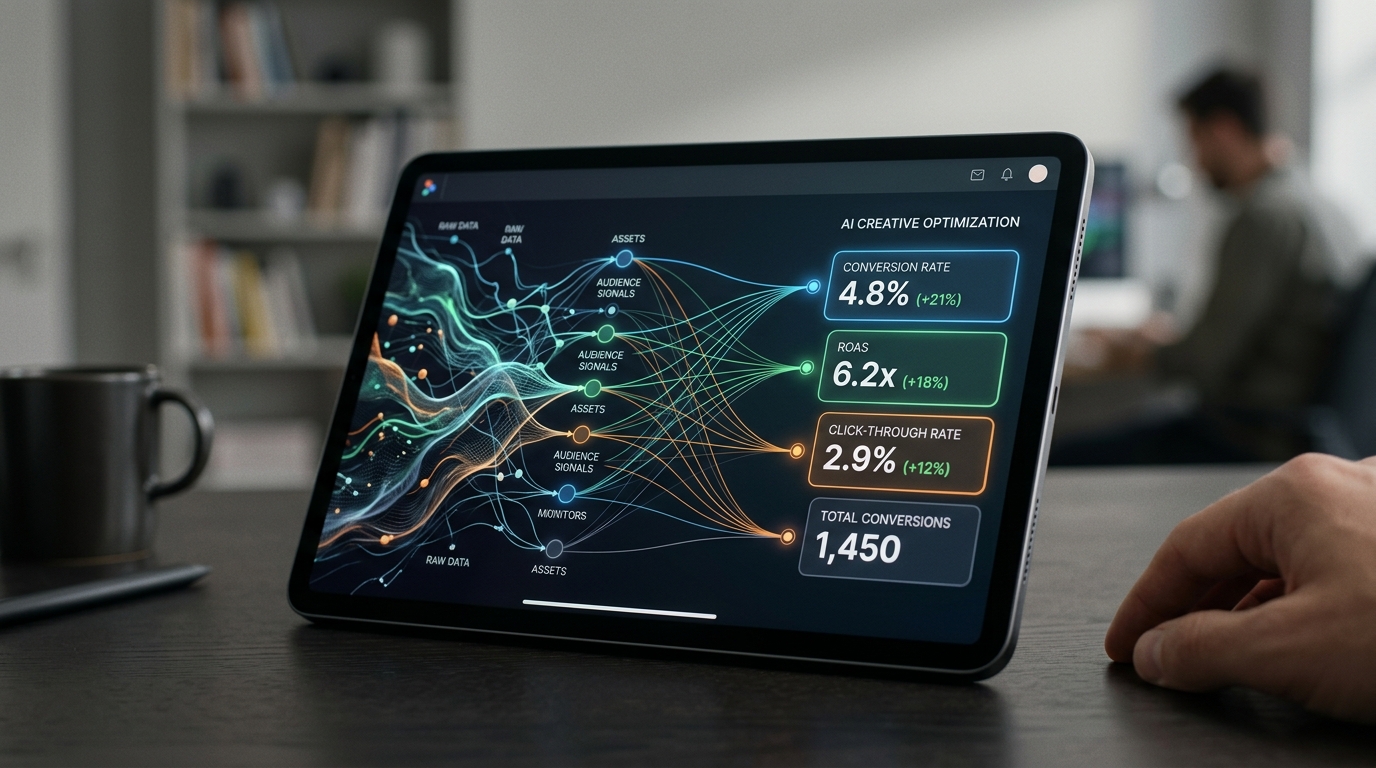 The Shift From Inventory to Outcomes
The core message in the Forbes piece is straightforward: streaming advertising is moving from a market priced by access and audience estimates to one priced by measurable business outcomes.
That shift matters because streaming produces far more behavioral data than legacy TV ever could. Instead of leaning only on broad demographic assumptions, marketers can now assess signals tied to actual performance, including:
- Viewing sessions
- Engagement patterns
- Conversion behavior
- App installs
- Store visits
- Subscriptions
- Purchases
According to the article, this is exactly why AI has become central to the market. It can process massive amounts of campaign data in real time, identify which inventory is actually driving results, and optimize while campaigns are still live. That’s a sharp break from the traditional post-campaign reporting model, where everyone figures out what happened after the budget is already gone.
In practical terms, the value of streaming inventory is no longer determined mainly by where an ad appeared. More and more, it’s determined by what that placement produced.
Why the Market Needed This Correction
One of the strongest points in the Forbes coverage is the supply problem. Streaming now has so much inventory that oversupply is putting pressure on pricing. When supply grows faster than proof of effectiveness, commoditization follows.
That’s a real issue for publishers and platforms. If they can’t prove performance, their inventory risks being treated as interchangeable. If they can show that their placements drive meaningful business outcomes, they can defend premium pricing.
This is the real economic rewrite. AI gives the market a way to distinguish between impressions that simply fill space and impressions that move customers. That distinction changes how media is bought, sold, and valued.
Shared Data, Shared Truth
Another compelling idea in the article is the move toward a common data foundation between buyers and sellers. Historically, advertisers and publishers have often worked from different systems, different metrics, and different definitions of success. That disconnect created friction, mistrust, and plenty of wasted spend.
AI becomes much more useful when planning, activation, optimization, and measurement are all connected to the same data environment. Instead of debating isolated reports, both sides can work from a shared version of performance truth.
That matters because guaranteed outcomes only work if they can be measured operationally. The more aligned the infrastructure becomes, the easier it is to transact on outcomes instead of assumptions.
Why This Is Bigger Than a Measurement Upgrade
This is more than a better reporting story. It’s a structural shift in the ad economy.
For years, TV advertising was largely about forecasting reach. Streaming is becoming something closer to a high-speed performance channel. AI is accelerating that transition by making optimization continuous rather than reactive. Large language models and related systems can do more than summarize campaign results—they can help explain why campaigns are performing the way they are and recommend changes while there’s still time to improve outcomes.
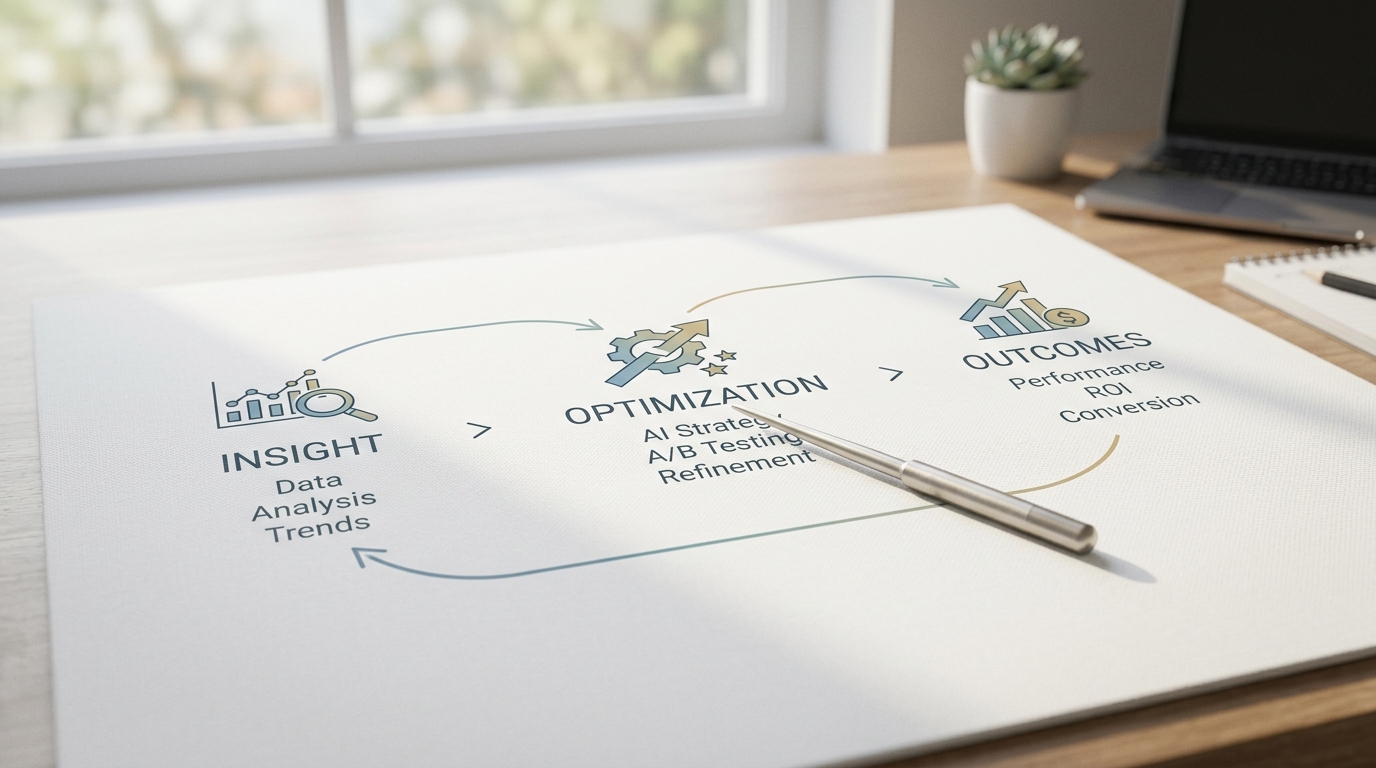
That creates a feedback loop traditional TV never had:
- Better insight leads to better optimization
- Better optimization leads to stronger outcomes
- Stronger outcomes support smarter pricing
Once pricing starts following performance, the entire market changes.
 The Viewer Behavior Behind the Trend
This economic shift also reflects audience reality. Viewers have already moved. Prosper’s 2026 media study, cited in the article, found that 20.7% of U.S. adults now do 100% of their TV viewing through streaming, and another 7.9% say streaming accounts for 90% of their consumption. That means nearly three in ten adults are watching almost entirely through streaming.
Advertisers can’t ignore that. But they also can’t treat streaming as a simple replacement for linear TV. The channels may look familiar on the surface, but the underlying economics are very different. Fragmentation, richer data, and the speed of optimization all demand a more intelligent operating model.
What I Think Happens Next
The winners in streaming advertising will be the companies that can prove business impact consistently. Publishers that invest in performance infrastructure will be able to justify stronger rates. Advertisers that use AI well will stop overpaying for low-value inventory. Measurement and optimization platforms will become even more important because they provide the connective tissue between spend and outcomes.
Put simply, the conversation is shifting from “How many people did we reach?” to “What did that reach actually do?”
That’s a healthier market. It rewards effectiveness, not just availability.
FAQ
Why is AI becoming so important in streaming advertising?
Because streaming generates far more usable performance data than traditional TV, and AI can process that data quickly enough to improve campaigns while they’re still running.
What changes when ads are priced by outcomes instead of reach?
Inventory that drives measurable business results becomes more valuable, while lower-performing impressions face pricing pressure.
Why does shared data matter between buyers and sellers?
Without aligned metrics and systems, outcome-based guarantees are hard to verify. Shared data makes optimization, measurement, and pricing more credible.
Is this just a measurement improvement?
No. It changes the economics of the market by linking pricing more directly to performance.
Conclusion
For me, the Forbes analysis confirms what modern marketers should already be acting on: streaming advertising is no longer just a scale play. It’s becoming a performance marketplace where AI helps determine who can identify value fastest and optimize against it most effectively. If you want to compete in that environment with clearer attribution, smarter optimization, and stronger return on ad spend, it’s worth taking a serious look at ROAS Suite as part of your performance strategy.