Flow Video AI Emerges as a Simplified Tool for Professional Visual Content
The AI video market is moving fast, but raw generation quality is no longer the only thing that matters. Usability is becoming just as important. That is what makes the arrival of Flow Video AI notable. Rather than forcing marketers, creators, and business owners to piece together a stack of technical tools, it offers a more direct way to create polished visual content that feels far more professional than most automated workflows typically deliver.
With short-form video dominating TikTok, Instagram Reels, and YouTube Shorts, speed is no longer just convenient. It is a competitive edge. Flow Video AI appears built for that reality, positioning itself as a streamlined option for teams that want faster production, consistent output, and stronger quality without building a full production operation for every campaign.
 A Platform Built for Non-Experts
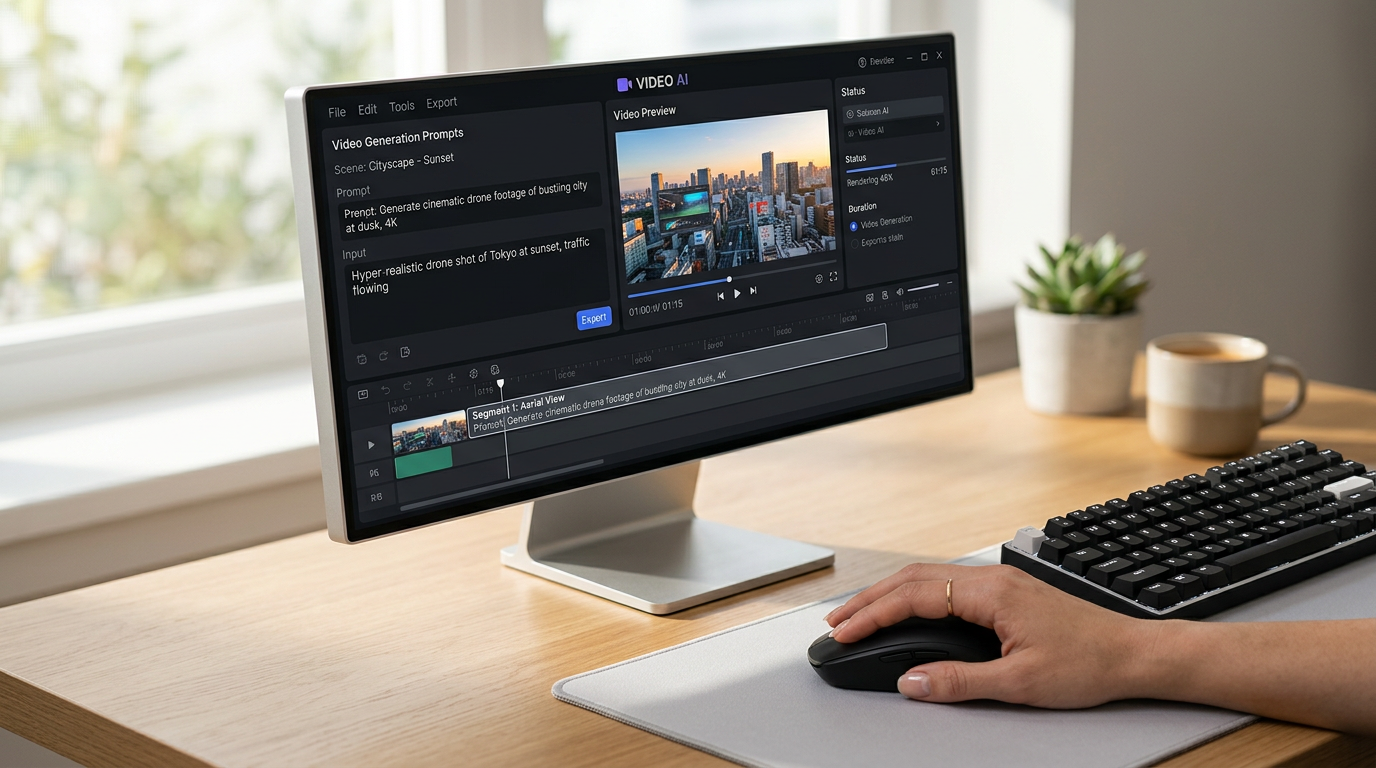
Based on early reporting, Flow Video AI was created to remove one of the biggest barriers in video production: complexity. Developed by content strategist David Chen, the platform is designed to help non-experts turn ideas into finished video assets without getting stuck in editing software, disconnected AI tools, or clunky rendering workflows.
That matters because most businesses do not lack ideas. They lack an efficient way to execute them. They know they need product demos, ad creatives, social clips, and explainers, but traditional production usually demands too much time, money, and technical skill. Flow Video AI steps into that gap with an all-in-one system that reportedly combines text-to-video, image-to-video, audio generation, and editing tools in one place.
Why Flow Video AI Is Getting Attention
The recent coverage around the platform suggests its appeal comes from accessibility as much as output quality. Reports from early 2026 described it as a practical way to scale visual content, especially for marketing teams that need to publish more without increasing overhead.
That tracks with the broader market. AI video generation is no longer a niche category. It is quickly becoming part of the core infrastructure of digital marketing. As the market expands, the tools that cut friction will likely attract more attention than the tools that simply pile on features. Flow Video AI seems aligned with that shift by focusing on end-to-end workflow rather than isolated generation capabilities.
The pitch is straightforward: users can describe what they want, generate visuals, refine the output, and move toward platform-ready content with fewer delays. For busy teams, shortening the production cycle that much can make a real difference.
The Aggregator Advantage
One of the more interesting parts of Flow Video AI is that it reportedly integrates multiple premium AI models instead of relying on a single engine. That gives users more flexibility. Rather than being locked into one visual style or one generation method, they can tap into a broader ecosystem of AI video and media tools.
In practice, that kind of aggregator approach solves a common problem across the creative AI market: inconsistency between platforms. A user may prefer one model for motion, another for visual detail, and a third for audio. Moving between them manually wastes time and often disrupts the workflow. By bringing those capabilities into a single workspace, Flow Video AI aims to make professional-looking output more consistent and less technical.
That may explain why marketers are paying attention. Reducing tool-hopping does more than save time. It increases the chances that more ideas actually make it from concept to published content.
A Shift in How Marketing Content Gets Made
David Chen’s view of AI as more than an optimization layer—as both a creation and distribution layer—feels especially timely. For years, marketing teams mostly used AI for analytics, copy support, or ad targeting. Now that is changing. AI is moving upstream into the content creation process itself.
That shift has real implications. A small team can test more ad variations, produce more social assets, and adapt visuals for multiple formats without relying on a large team of editors and designers. Testimonials tied to Flow Video AI point to that exact result: more content, faster production, and better quality without added headcount or budget.
If that trend continues, platforms like this will do more than help teams work faster. They will reshape what a lean, modern content operation looks like.
 The Bigger Opportunity and the Bigger Risk
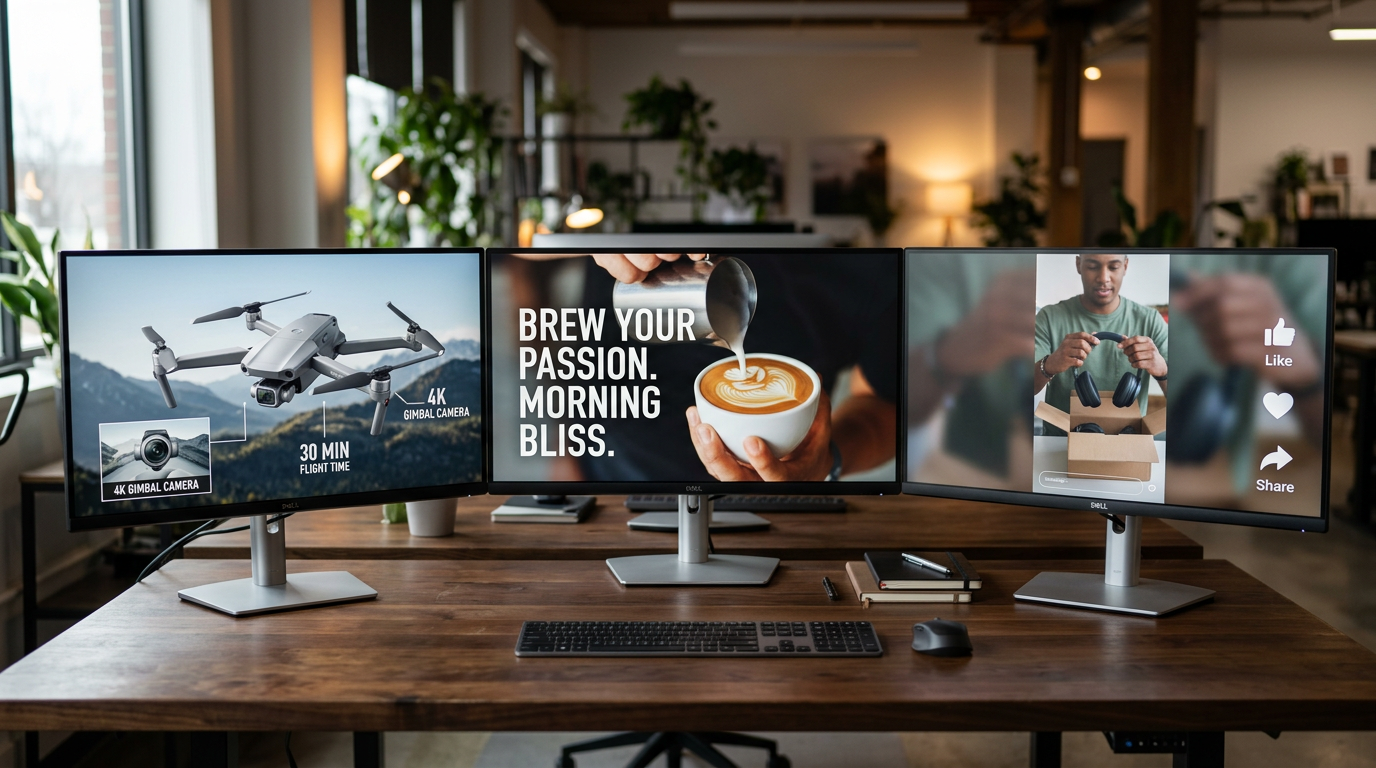
The wider context matters. The AI video market is growing quickly because it is meeting real business demand. Brands want personalized content. E-commerce sellers need product videos at scale. Agencies want faster turnaround. Creators want to keep quality high without slowing output.
Flow Video AI fits squarely into that momentum. It reflects a broader move toward democratized production, where more people can create studio-style visuals from prompts and lightweight inputs.
There are still trade-offs. Like any AI content tool, it raises familiar questions around originality, ethical use, quality control, and eventual market saturation. If everyone can create faster, the standard for standing out may rise just as quickly. Easier production does not replace strong strategy, clear messaging, or brand discipline.
That is why the biggest winners in this next phase will not simply be the people using AI. They will be the people using it with purpose.
What Flow Video AI Signals for the Future
Flow Video AI looks like more than another product entering a crowded category. It signals a maturing market. The conversation is shifting away from “Can AI make a video?” and toward “Can AI make useful, professional content in a workflow that ordinary teams can actually manage?”
That is the more meaningful question. If the answer continues to be yes, then tools like Flow Video AI could help solopreneurs, startups, and lean marketing teams compete visually with much larger organizations.
The simplification of professional visual content production is not a minor change. It is a structural shift in how content gets created, tested, and distributed.
Conclusion
As AI-generated media becomes a more practical part of everyday marketing, the next step is connecting content creation to systems that can measure and improve performance. For teams looking to pair faster production with stronger advertising outcomes, ROAS Suite is a smart platform to consider.
FAQ
What is Flow Video AI?
Flow Video AI is an AI-powered video creation platform designed to help users produce professional-looking visual content through a simpler, all-in-one workflow.
Who is Flow Video AI built for?
It appears to be aimed at marketers, creators, agencies, business owners, and other non-experts who need faster video production without complex editing processes.
What makes Flow Video AI different?
Its reported advantage is workflow simplicity, including access to multiple AI models and integrated tools for generation, refinement, audio, and editing in one environment.
Why does this matter for marketing teams?
It can help teams create more content, test more variations, and move from concept to published asset faster without significantly increasing budget or headcount.
Are there any risks with AI video tools?
Yes. Common concerns include originality, ethical use, quality control, and the challenge of standing out in a market where content production becomes easier for everyone.