February 2026 SEO Recap: 10 Key Search Updates Including AI Impacts
If February 2026 made anything clear, it’s that search is no longer just about Google rankings. SEO now stretches across classic SERPs, Discover, AI Overviews, AI assistants, and conversational platforms that may mention your brand without sending a click.
This month brought a dense mix of algorithm movement, AI monetization tests, bot behavior changes, and clearer signals about what publishers need to do next. Here are the 10 biggest search updates from February 2026 and what they mean in practice.
 1. The UK CMA pushed for AI Overview opt-outs
One of the most important developments actually began just before February. On January 28, the UK’s Competition and Markets Authority proposed a more flexible opt-out for Google’s AI Overviews. In plain English, publishers may be able to keep content out of AI-generated summaries without blocking Googlebot entirely.
That matters because it addresses a major publisher complaint: sites want search visibility, but not necessarily their work repackaged into AI answers that cut into clicks. If this model gains traction, other regulators may follow with similar controls.
2. Early February SERP volatility set the tone
The month opened with ranking turbulence. Many SEOs suspected a broad core update, but the movement ended up being closely tied to what became the February Discover Core Update.
The takeaway is simple: volatility doesn’t always mean a traditional core update. Sometimes it points to a product-layer change, an early rollout signal, or a vertical-specific shift that affects performance before Google formally names it.
3. Google officially reduced HTML and text file indexing limits
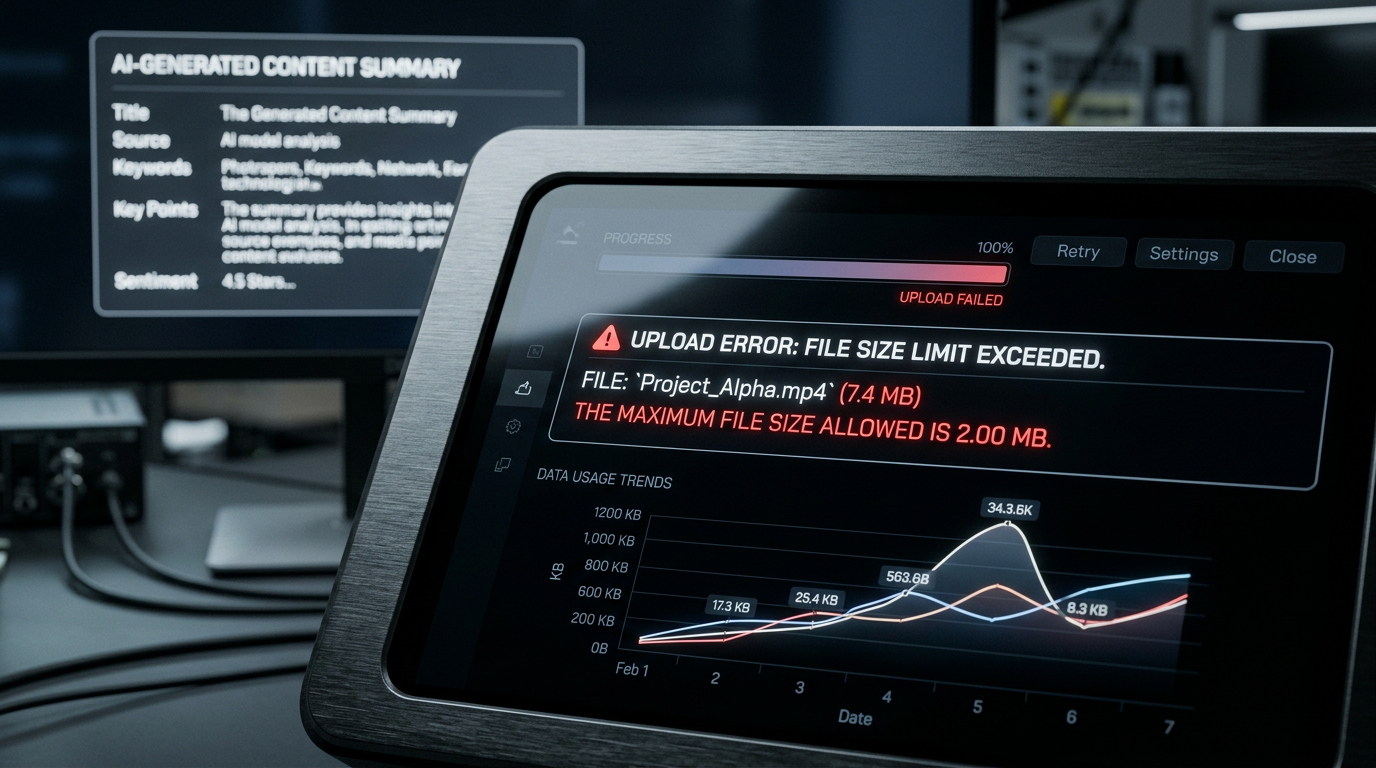
On February 3, Google updated its Googlebot documentation with clearer file-size limits. The biggest change was one that got technical SEOs’ attention fast: HTML and text files are now capped at 2MB for indexing purposes, far below what many teams had assumed.
PDFs still have more room, but for standard web pages, anything important buried past that limit may not be processed or indexed the way you expect.
This was one of the most actionable updates of the month. If your site relies on bloated templates, oversized navigation, JS-heavy page shells, or massive knowledge pages, it’s time to audit. Important content needs to appear early, clearly, and efficiently.
4. Google launched the February 2026 Discover Core Update
On February 5, Google officially announced the February 2026 Discover Core Update for US English users. The rollout rewarded more local content, dialed back clickbait and sensational headlines, and put more weight on topic-level expertise.
That last point matters. A site didn’t need to be a broad authority on everything. A local news publisher, for example, could perform well in a niche like gardening if it had real depth there.
This update reinforced a broader shift: authority in 2026 is increasingly contextual. It’s not just about domain-wide reputation. It’s about whether your content shows genuine expertise on the exact topic being surfaced.
5. OpenAI introduced ads in ChatGPT
On February 9, OpenAI rolled out ads in ChatGPT for free and Go-tier users in the US. The company framed the move around an “Answer Independence Principle,” with the goal of keeping ads separate from the core answer experience.
This is bigger than it may seem. AI platforms are no longer just search disruptors; they’re becoming monetized discovery environments. Marketers now need to think beyond ranking in Google and ask how visibility, trust, and promotion work inside AI-native interfaces.
At the same time, Anthropic leaned into an ad-free position, and Perplexity reportedly backed away from ads over trust concerns. The divide is becoming clearer: convenience, monetization, and trust are now competing head-on in AI search.
6. AI bot traffic data showed a major shift
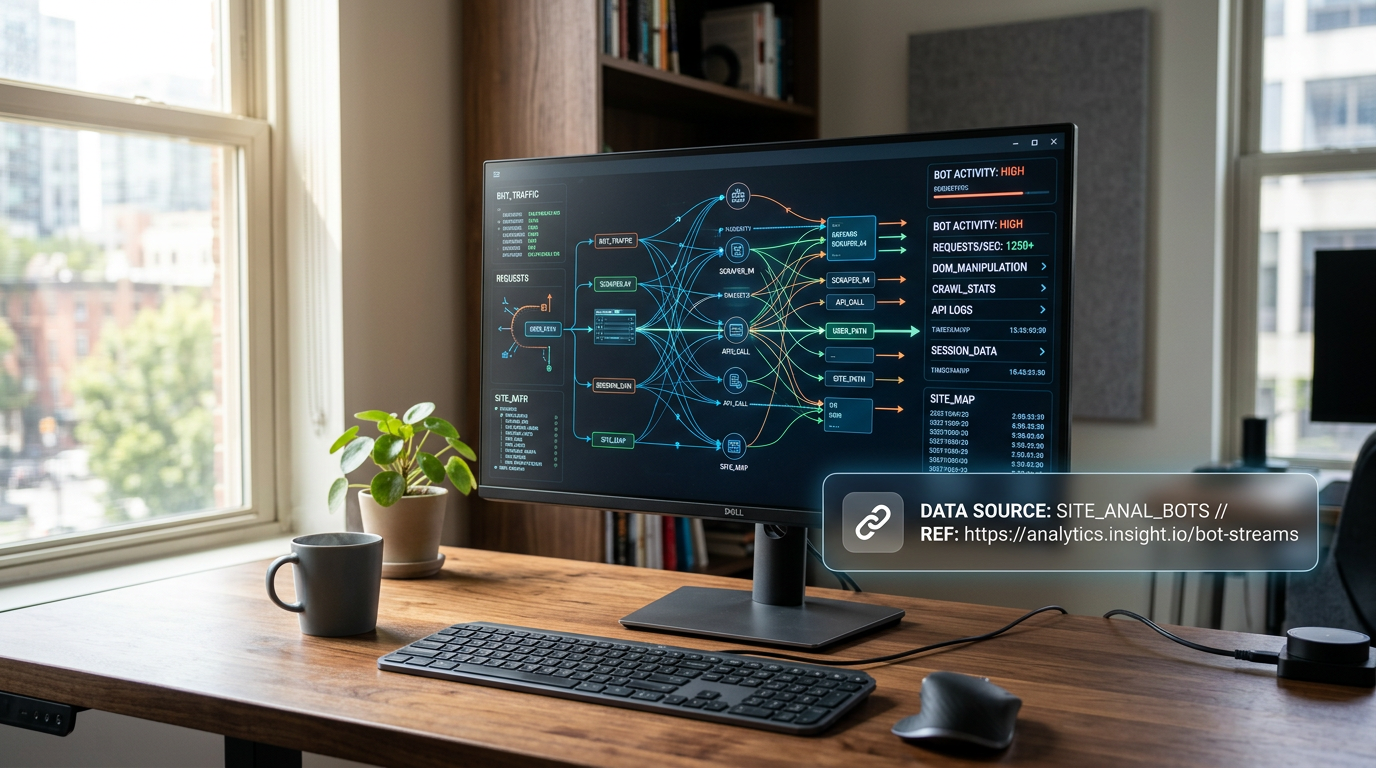
Mid-February data from Hostinger offered one of the clearest snapshots yet of changing bot behavior. Across billions of requests, assistant-style bots were rising while training bots were declining, largely because more sites are blocking training access.
OpenAI’s searchbot showed especially strong reach, while bots from TikTok, Apple, and other platforms kept growing as well.
This points to a strategic shift. Site owners are getting more selective. Many are willing to allow bots that can drive visibility or citations while blocking bots that mainly scrape content for training. In 2026, bot governance is becoming a real SEO discipline.
 7. Google improved link visibility in AI Overviews and AI Mode
On February 17, Google’s Robby Stein announced improved link treatments in AI Overviews and AI Mode, including better desktop hover behavior, clearer icons, and more prominent source summaries.
This was one of the more encouraging updates of the month. A major criticism of AI search has been that sources feel visually secondary, weakening organic visibility even when brands are technically cited. Better link presentation doesn’t solve the zero-click problem, but it does improve the odds of discovery and engagement.
The positive industry response made sense. If AI results are here to stay, source attribution has to be easier to spot, easier to use, and more worth clicking.
8. ChatGPT search volume rose, but referral traffic still lagged badly
Around the third week of February, Ahrefs published one of the month’s most discussed studies: ChatGPT now handles roughly 1.6 billion daily search-like queries, or about 12% of Google’s volume.
That’s impressive, but the more important finding was this: ChatGPT sends dramatically less traffic than Google. Referral rates were far lower, and click-through behavior lagged by a huge margin.
That gets to the heart of AI search. Google still behaves more like a navigation engine that sends users outward. ChatGPT is built to keep users inside the conversation. AI platforms may become major discovery channels, but they are not traffic engines in the same way traditional search has been.
9. LinkedIn exposed how AI search is crushing some B2B traffic
Another standout story came from LinkedIn, which reported a 60% drop in non-brand B2B traffic tied to AI Overviews and ChatGPT, even while rankings stayed relatively stable.
That’s a harsh but useful reminder: ranking stability no longer guarantees traffic stability.
LinkedIn’s response was smart. Instead of relying on old SEO-only KPIs, it shifted toward newer measures like visibility rate, citation share, and whether the brand is being surfaced, mentioned, considered, and chosen across AI-mediated journeys.
More brands will likely follow the same playbook. The funnel is getting harder to see, and visibility metrics need to catch up.
10. Google and Microsoft both pushed the market toward GEO thinking
By late February, the terminology shift was hard to miss. Microsoft updated its AI marketer guidance around SEO versus GEO, while Google kept testing shopping ads and “Preferred Sources” inside AI Mode.
This matters because the industry is finally putting a name to something many practitioners already feel: optimizing for AI retrieval and answer generation is not exactly the same as traditional SEO.
That doesn’t mean SEO is dead. It means the discipline is expanding. Schema, concise answer-first formatting, trust signals, structured entities, original data, and strong topical authority are becoming the connective tissue between search engines and AI systems.
What February 2026 taught me about SEO now
If I had to sum up February in one line, it would be this: clicks are no longer the only outcome that matters, but visibility without strategy is still fragile.
The month showed that:
- Google is still reshaping discovery through updates like Discover and AI Overviews.
- AI assistants are gaining query share but not replacing Google’s referral role.
- Bot access decisions now have business consequences.
- Topic-level expertise matters more than generic scale.
- New KPIs like citations, mentions, and AI visibility are becoming essential.
The fundamentals still matter: useful content, technical clarity, real expertise, and strong site architecture. But in 2026, those fundamentals need to be packaged for both humans and machines.
FAQ
What was the biggest SEO theme in February 2026?
The biggest theme was the continued shift from traditional ranking-focused SEO to broader search visibility across Google, Discover, AI Overviews, and AI assistants.
Why does Google’s 2MB HTML indexing limit matter?
It means critical content buried too deep in large pages may not be processed or indexed properly. Sites with bloated templates or heavy code need to prioritize content placement and efficiency.
Did ChatGPT become a serious search competitor in February 2026?
In terms of query volume, yes. But as a traffic source, not yet. ChatGPT handled a growing share of search-like activity while still sending far fewer referrals than Google.
What is GEO?
GEO usually refers to optimization for generative engine outputs—how content is retrieved, cited, and used in AI-generated answers. It overlaps with SEO but is not exactly the same discipline.
What metrics should brands watch now?
Beyond rankings and traffic, brands should track citation share, mention frequency, AI visibility, assisted discovery, and whether they are appearing across AI-mediated customer journeys.
Conclusion
February 2026 didn’t just bring another batch of search updates. It confirmed that SEO is now operating in a hybrid era where traditional rankings, AI citations, bot controls, and zero-click visibility all shape performance together. The brands with the best chance of winning are the ones that adapt early, publish with real expertise, structure content for retrieval, and measure more than sessions alone. If you’re serious about staying visible in this new search landscape, use tools and workflows built for AI-era content strategy, and AIuthority is a strong place to start.